UN tells governments to make roads safer for motorcyclists by 2030
Motorcyclists have become a key part of the United Nations' latest global road safety strategy, with governments urged to improve infrastructure, rider training and protective equipment in a bid to halve road deaths by the end of the decade.

The United Nations has placed motorcyclists firmly at the centre of its latest global road safety strategy, calling on governments around the world to make roads safer for riders as part of its push to halve road traffic deaths and serious injuries by 2030.

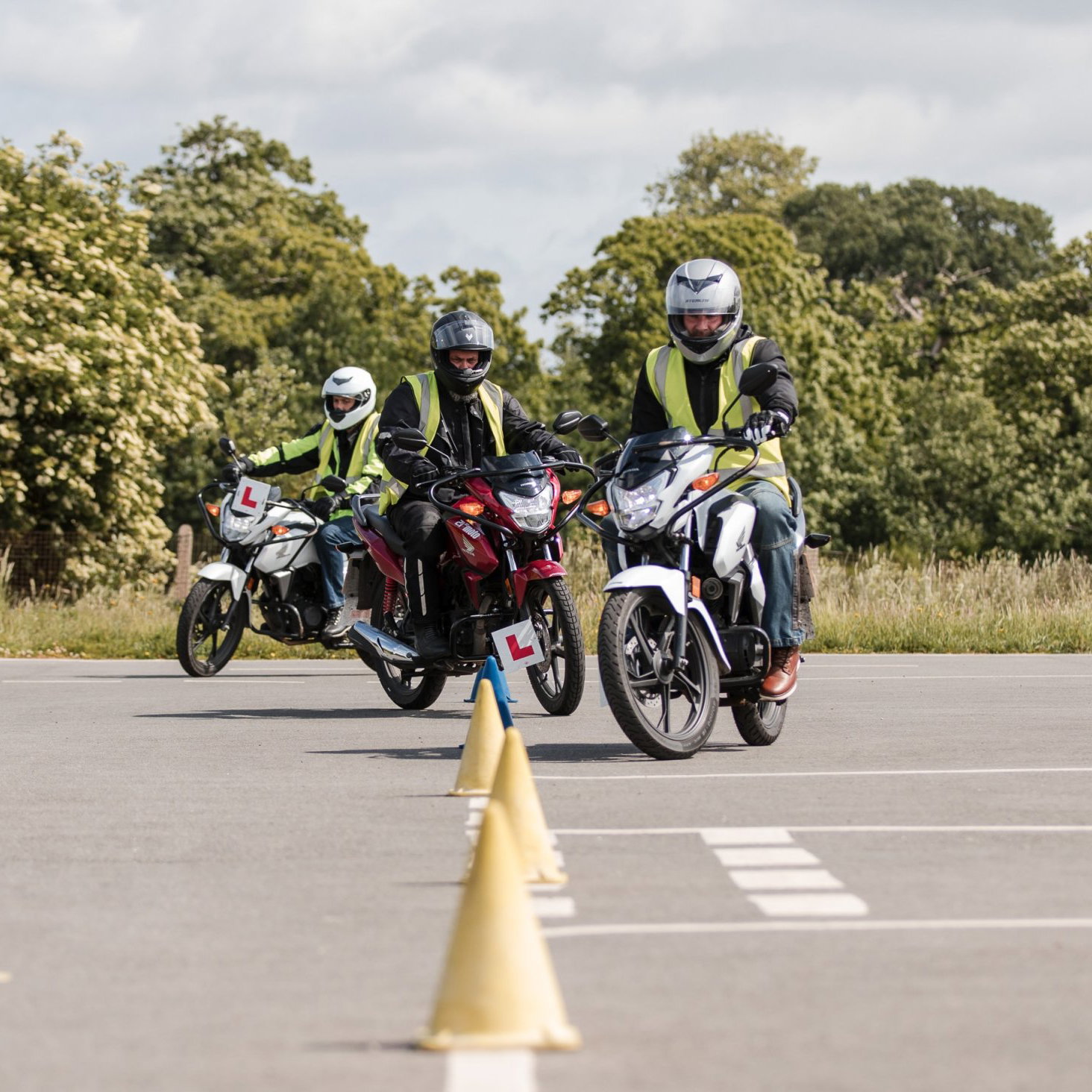
Adopted during the UN High-Level Meeting on Improving Global Road Safety, the declaration recognises riders of powered two- and three-wheelers as one of the road user groups most at risk. The UN has now committed member states to tackle motorcycle safety through a combination of better infrastructure, improved rider training, safer motorcycles and the wider use of quality-certified helmets.
Rather than focusing solely on rider behaviour, the declaration embraces the 'Safe System' approach, stating that roads should be designed and managed so that human error does not automatically result in death or life-changing injury. It goes as far as declaring that "no death or serious injury on the roads is acceptable". That is an interesting point of note, as, until now, traditional road safety campaigns have placed most of the responsibility on individual road users, not on the designers and builders of the road network.

Among the commitments is a pledge to address the specific safety challenges facing motorcyclists through a "holistic approach", including safer infrastructure, lower-speed environments, rider education and training, improved vehicle safety and greater use of certified protective helmets. The declaration also encourages the promotion of protective riding equipment, including gloves, boots, protective clothing and even personal airbag systems.
Elsewhere, governments are encouraged to improve road design through independent safety audits, better junction layouts, safer roadsides, traffic calming measures and infrastructure that protects vulnerable road users. The declaration also backs the wider adoption of advanced vehicle safety technologies and stronger action against speeding, impaired driving and distraction behind the wheel.

While the declaration is not legally binding, it sets the direction of travel for UN member states over the remainder of the Decade of Action for Road Safety, with countries expected to strengthen national road safety strategies and report on their progress ahead of a further global review in 2030.
For riders in the UK, it means future road safety policy could be measured not just by how well bikers are educated or equipped, but by whether the roads themselves are designed to keep them alive.
Find the latest motorcycle news on Visordown

Simon (AKA Toad) has been working within the motorcycle industry for more than twelve years, and a member of the motorcyclist family since birth. Growing up around British-built single and twins, it was inevitable that a life on two wheels was on the cards, from a very early age!