EU makes recycled plastics mandatory for cars; are motorcycles next?
The EU has made recycled plastics mandatory for new cars from 2032. Motorcycles are exempt for now, but Honda's early adoption suggests the industry may already know what’s coming.

When Honda announced last year that it was expanding the use of recycled plastics and bio-based materials across its motorcycle range, it looked like either another step on the road towards a more sustainable future, or a brand going above and beyond to seem more green. Fast forward to today, though, and that decision suddenly looks rather more significant.
The European Union has now formally adopted its new End-of-Life Vehicle Regulation (ELVR), introducing mandatory recycled plastic content for all newly type-approved passenger cars and vans from 2032. Motorcycles aren't included in the legislation, but history suggests bike manufacturers would be unwise to assume they'll stay outside the scope forever.

The regulation, published in the Official Journal of the European Union on July 24 and coming into force on August 13, is one of the biggest shake-ups of automotive manufacturing in decades. From September 1, 2032, every newly type-approved passenger car and van sold in the EU will need to contain at least 15 per cent recycled plastic, with that figure rising to 25 per cent for newly type-approved vehicles from September 1, 2036. At least one fifth of that recycled material must come from end-of-life vehicles, creating a closed-loop recycling system that keeps plastics from scrapped vehicles in use for new ones.
The law also introduces new rules covering vehicle design, dismantling, recycling and the export of end-of-life vehicles, all aimed at making Europe's automotive industry more circular.
For motorcycle manufacturers, there is no legal requirement to follow suit. Yet Honda has already been moving in exactly this direction.

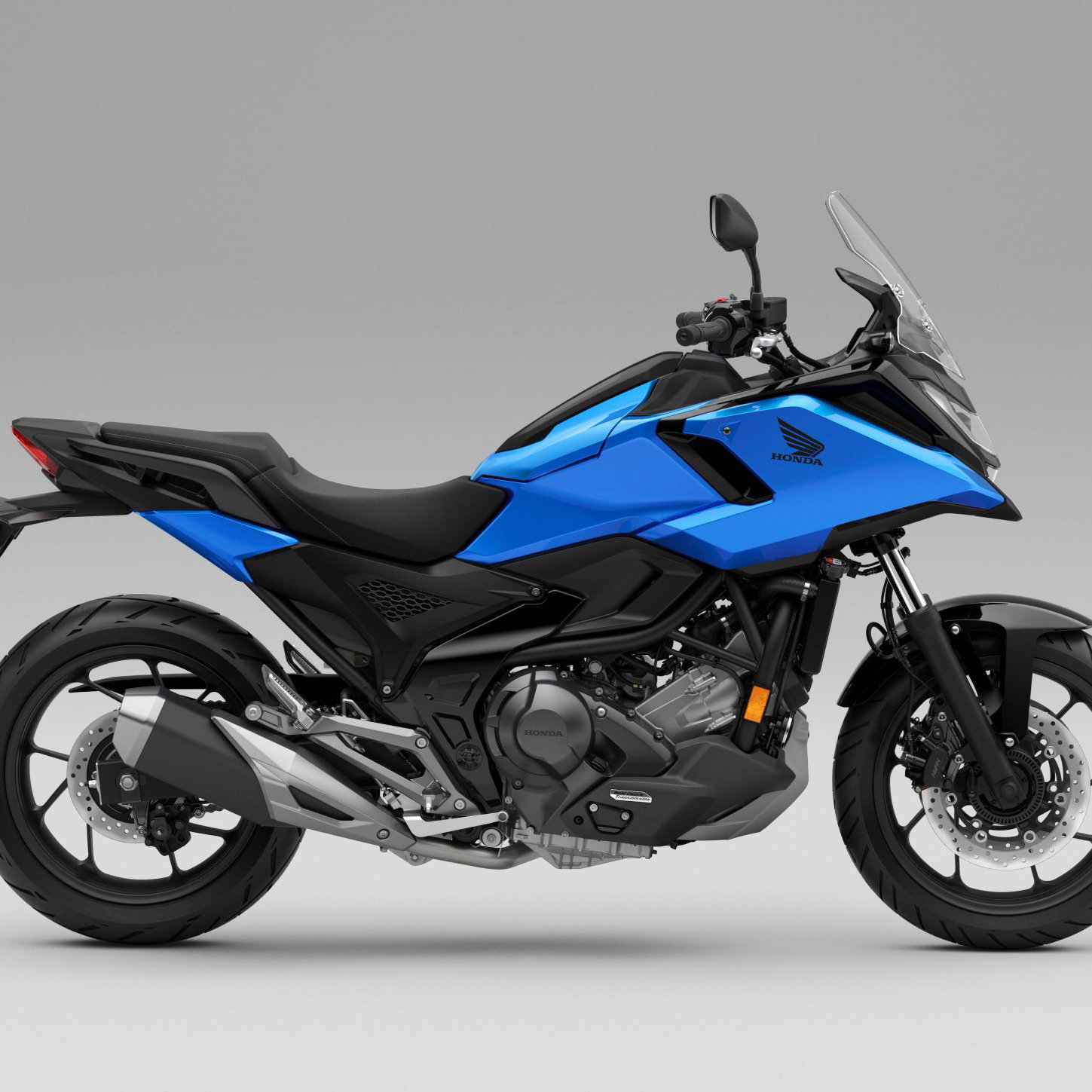
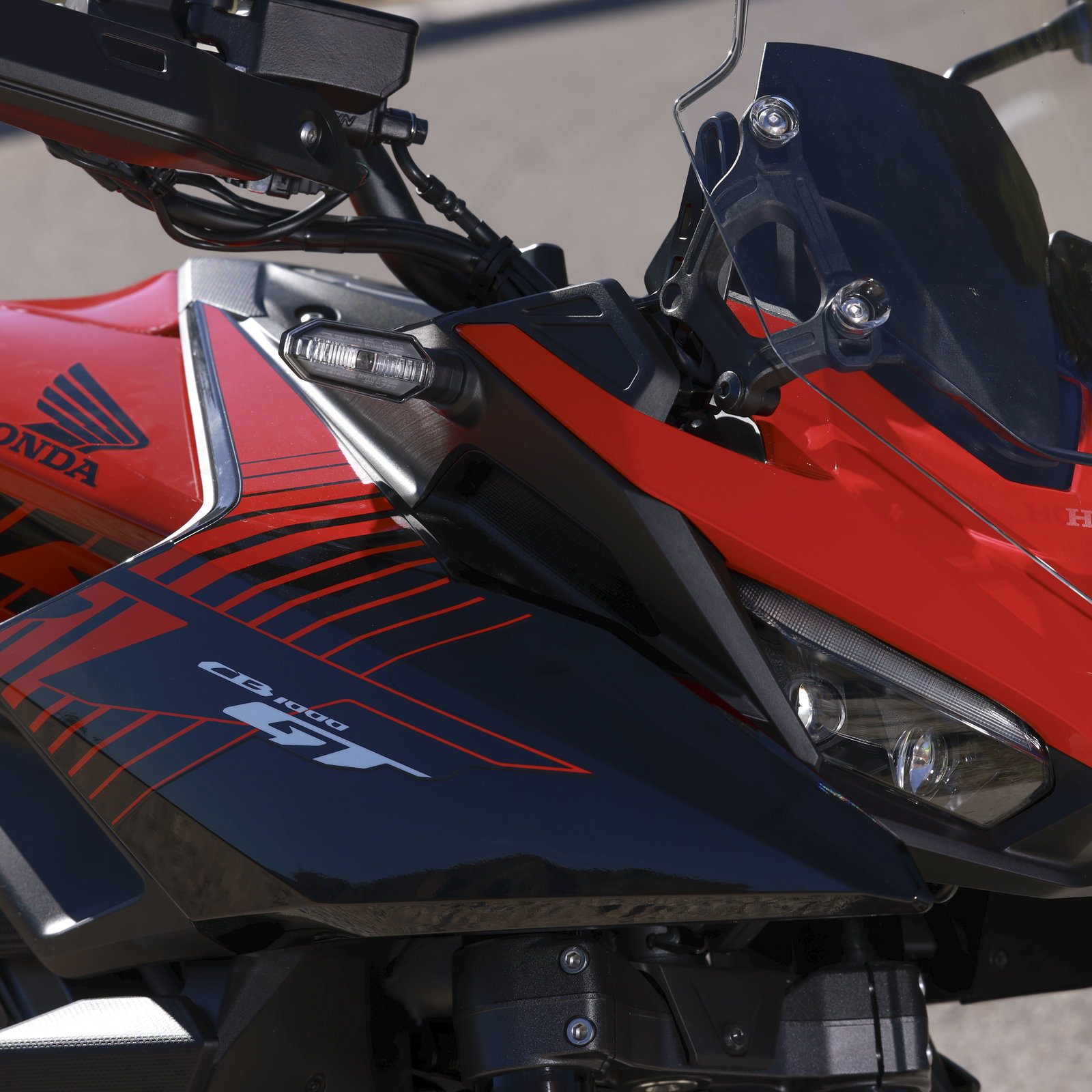
Back in December, we reported how Honda had expanded the use of Durabio, a plant-derived engineering plastic developed with Mitsubishi Chemical, alongside recycled plastics made from recovered automotive components. Rather than treating sustainability as a future goal, Honda has already begun integrating these materials into production bikes like the Africa Twin, X-ADV, NC750X and CB1000GT, while also using bumper plastics recovered from scrapped Honda cars to manufacture new motorcycle parts.
At the time, it was easy to dismiss the move as another box-ticking environmental initiative. In hindsight, it looks much more like a manufacturer preparing for a change in the prevailing winds.

That's because environmental legislation has a habit of reaching motorcycles after the rules have already landed in the four-wheeled sector. Euro emissions standards began life in the automotive sector before evolving into dedicated motorcycle regulations. Safety technology followed a similar path, with ABS becoming mandatory on larger-capacity motorcycles years after becoming commonplace on cars. It's not unreasonable to wonder whether recycled material targets could one day make the same journey.

Even if that never happens, motorcycle manufacturers are unlikely to avoid the wider effects. Much of the plastics supply chain is shared with the automotive industry, and increased demand for high-quality recycled materials is expected to drive further investment in recycling technology, material quality and manufacturing processes. Those advances could make recycled plastics more readily available for motorcycle production, regardless of whether legislation ever demands it.

It's also worth heading off the inevitable "the UK isn't in the EU anymore" argument, which will undoubtedly crop up in the comments section. While Westminster is under no obligation to adopt Brussels' latest legislation, motorcycle manufacturers build for global markets and continents, not individual countries. Developing separate UK-only versions with different materials, supply chains and production processes would add cost and complexity for relatively little commercial gain. Most bikes sold in the UK are built alongside identical machines destined for Europe, so if manufacturers redesign models to meet EU requirements, UK buyers are likely to receive exactly the same products regardless of UK law.
For now, the ELVR is very much a car and van story. But Honda's decision to embrace recycled and bio-based plastics months before the legislation became law suggests at least one motorcycle manufacturer believes the future of vehicle manufacturing will involve far more circular thinking than it does today.
This feature includes research and analysis by Mark Victory, Senior Editor, Recycling at ICIS.
Find the latest motorcycle news on Visordown

Simon (AKA Toad) has been working within the motorcycle industry for more than twelve years, and a member of the motorcyclist family since birth. Growing up around British-built single and twins, it was inevitable that a life on two wheels was on the cards, from a very early age!