2027 Honda CBR1000RR-R Fireblade HRC Works Edition revealed
Honda has launched the new CBR1000RR-R Fireblade HRC Works Edition, which arrives littered with premium components, and MotoGP-style technology.

Honda has launched its purest track-focused CBR1000RR-R Fireblade to date with the all-new HRC Works Edition.
To no surprise given its full name, the HRC Works Edition takes the standard CBR1000RR-R’s spec-sheet and ramps it up quite considerably.
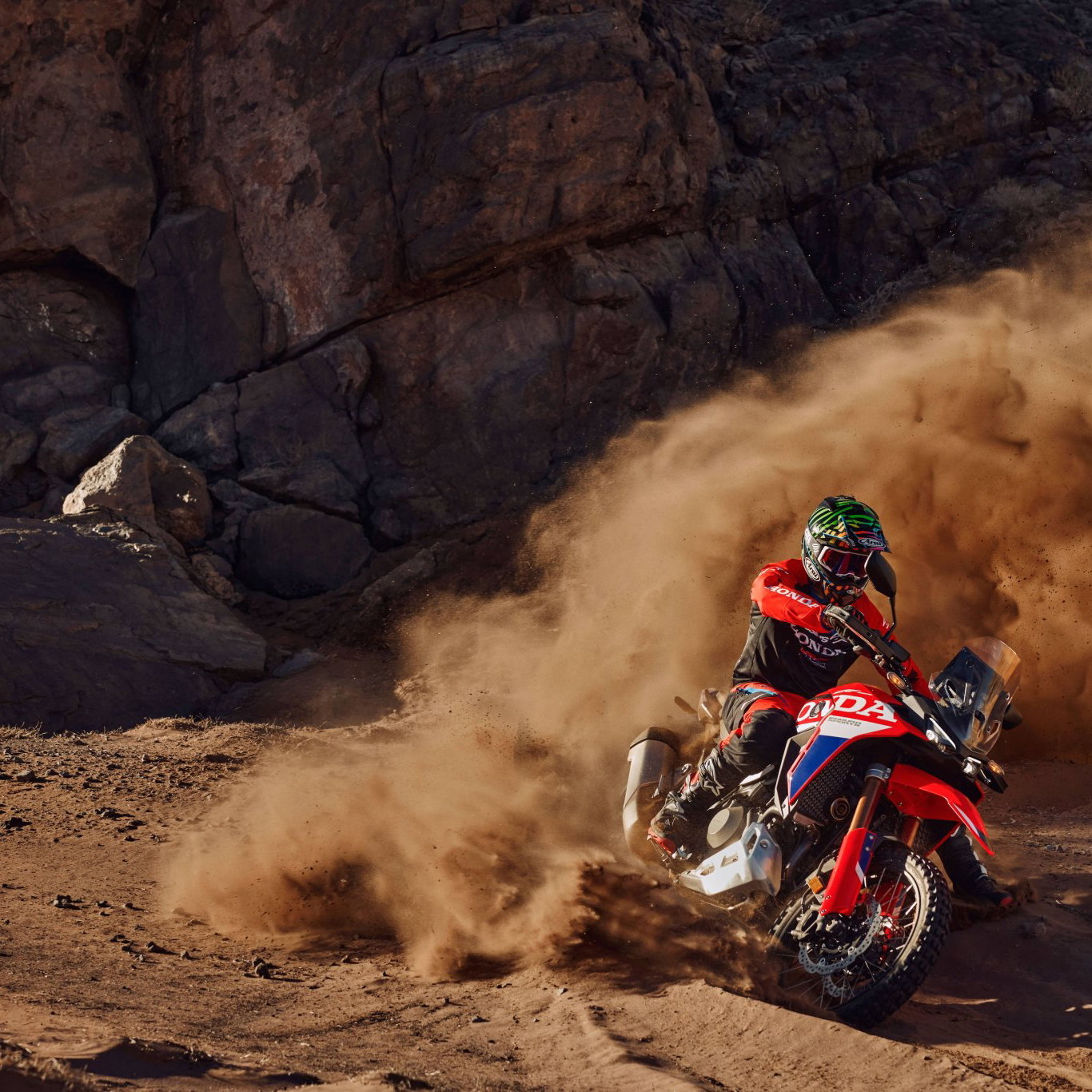
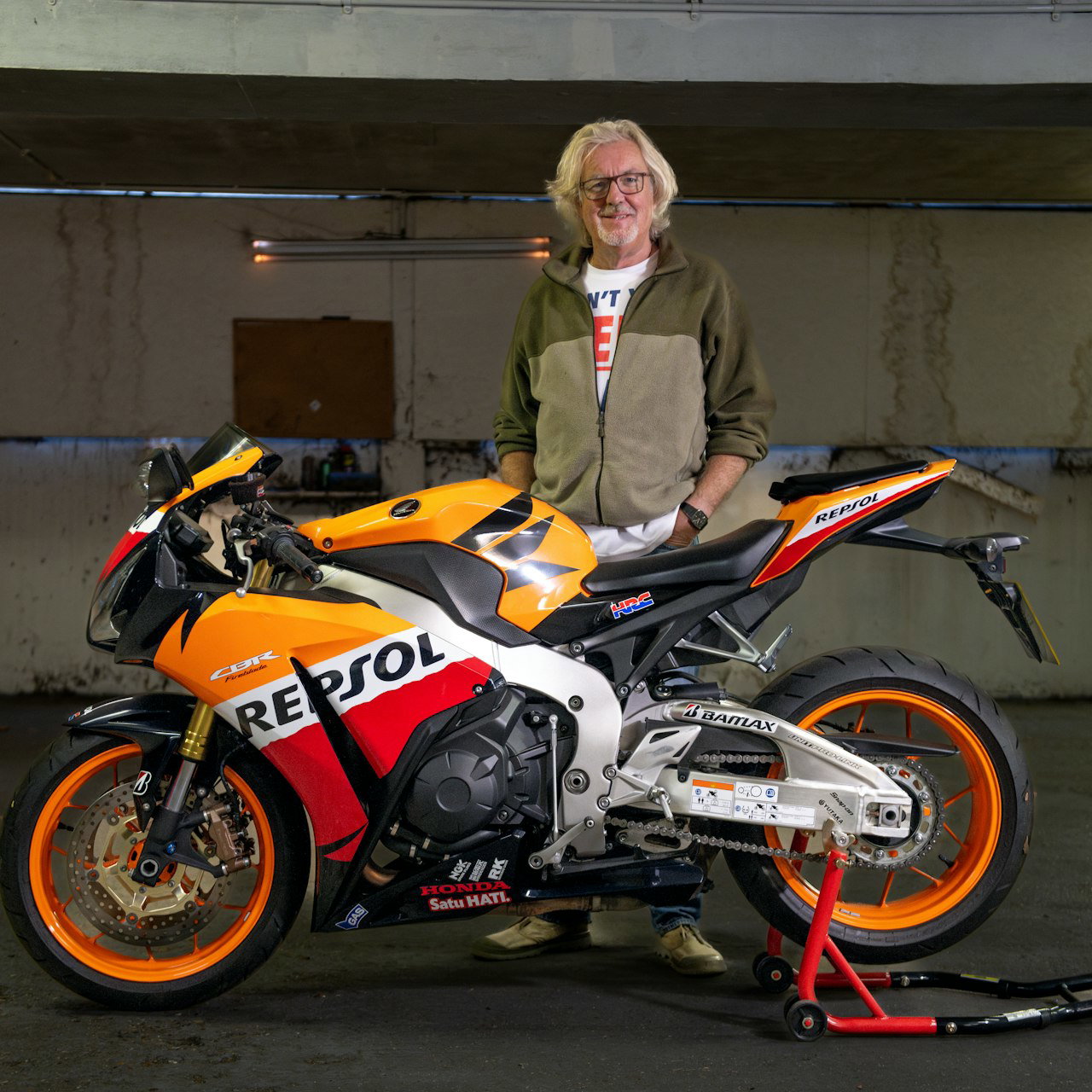
Finished in unmistakable HRC racing colours, the Fireblade Works Edition looks every inch a factory superbike that’s ready to compete with Ducati’s all-conquering Panigale V4 R.
Its iconic red, white and blue paint scheme pays homage to Honda's legendary racing heritage, while the bike also features an aggressive aerodynamic fairing, sculptured bodywork and a purposeful appearance.

At the heart of the new model is the same short-stroke 1,000cc inline four-cylinder engine, producing 160kW (214.6bhp) at 14,000rpm and 114Nm (84.1lb-ft) at 10,500rpm.
The bike’s peak output remains unchanged, and this is the same across all three variants of the 2027 CBR1000RR-R, which also includes the SP model.
Built as the foundation for a WorldSBK race machine, the 2027 CBR1000RR-R Fireblade HRC WE shares the frame and aerodynamic upgrades with the Fireblade SP, however, it introduces a range of competition-focused enhancements.
Starting with adjustable steering-head and swingarm-pivot geometry, the HRC WE also gains Öhlins mechanical race suspension and Brembo Hypure Sports front brake calipers.
Specifically, suspension is handled by NPX28-30 USD front forks and a TTX36 rear shock, while stopping power comes via Brembo Hypure Sports four-piston radial-mount front calipers, which Honda claim to save 32g compared to the previous Stylema design.

Additionally, a single-seat configuration and CFRP (Carbon Fibre Reinforced Polymer) dual-element wing structure, alongside front mudguard and rear seat ducts, and an optional MotoGP-style HRC bottom-neutral shift pattern complete the bike’s setup.
The added benefit of the CFRP dual-element winglets is that they generate significantly higher aerodynamic load than the previous design.
Meanwhile, the upper wing surface area is now 2.4 times larger than before, while Honda says it has optimised wing angle, area and placement to improve front-end stability during acceleration and corner exit.
At 299km/h (or 185mph), the new-style winglets generate 3.5 times more downforce than the standard CBR1000RR-R Fireblade.
The HRC WE makes use of CFRP at the rear of the bike, too, with the above-mentioned rear seat ducts contributing to the overall aerodynamic efficiency of the race-ready machine.

Riders can choose from five levels of adjustable power with Level 1 delivering maximum engine performance. Engine Brake also provides three levels of adjustment, with Level 1 delivering the strongest engine-braking effect through the 2-Motor TBW system.
From there, the HRC WE features Wheelie Control with three levels of intervention, plus the ability to turn it off, with Level 1 again allowing the greatest amount of front-wheel lift before intervention.
Find the latest motorcycle news on Visordown

After graduating with a sports journalism degree, Robert joined Crash.net to lead the WorldSBK coverage in 2021, while also providing MotoGP coverage. Fulfilling that role for over three years, Robert was able to put his knowledge about all things racing to the test.