Top ten motorbikes from EICMA 2026 that we can't wait to ride
From Honda's V3 supercharged concept to CFMOTO's new V4 superbike, here are 10 new motorcycles from EICMA 2026 we're looking forward to riding.

EICMA is always good for a few surprises, and the 2026 show was no exception. From new superbikes and middleweight adventure machines to some rather more unusual ideas, there was plenty to get people talking across the halls in Milan.
Of course, not every new motorcycle is necessarily one we're desperate to ride. Some are interesting because of the technology they introduce, others because they offer something a little different, while a few simply look like they'd be a good laugh on a decent road or trail.
This is our pick of ten motorcycles from this year's show that we'd particularly like to spend some time with. It's not necessarily a list of the most powerful, expensive or technologically advanced machines on display, but rather a collection of bikes that have given us a reason to get excited ahead of 2027.
And with everything from a new take on forced induction to a fresh generation of middleweight adventure bikes, there's a fairly broad selection. Here's what made our list.

1. Honda V3R900 E-Compressor
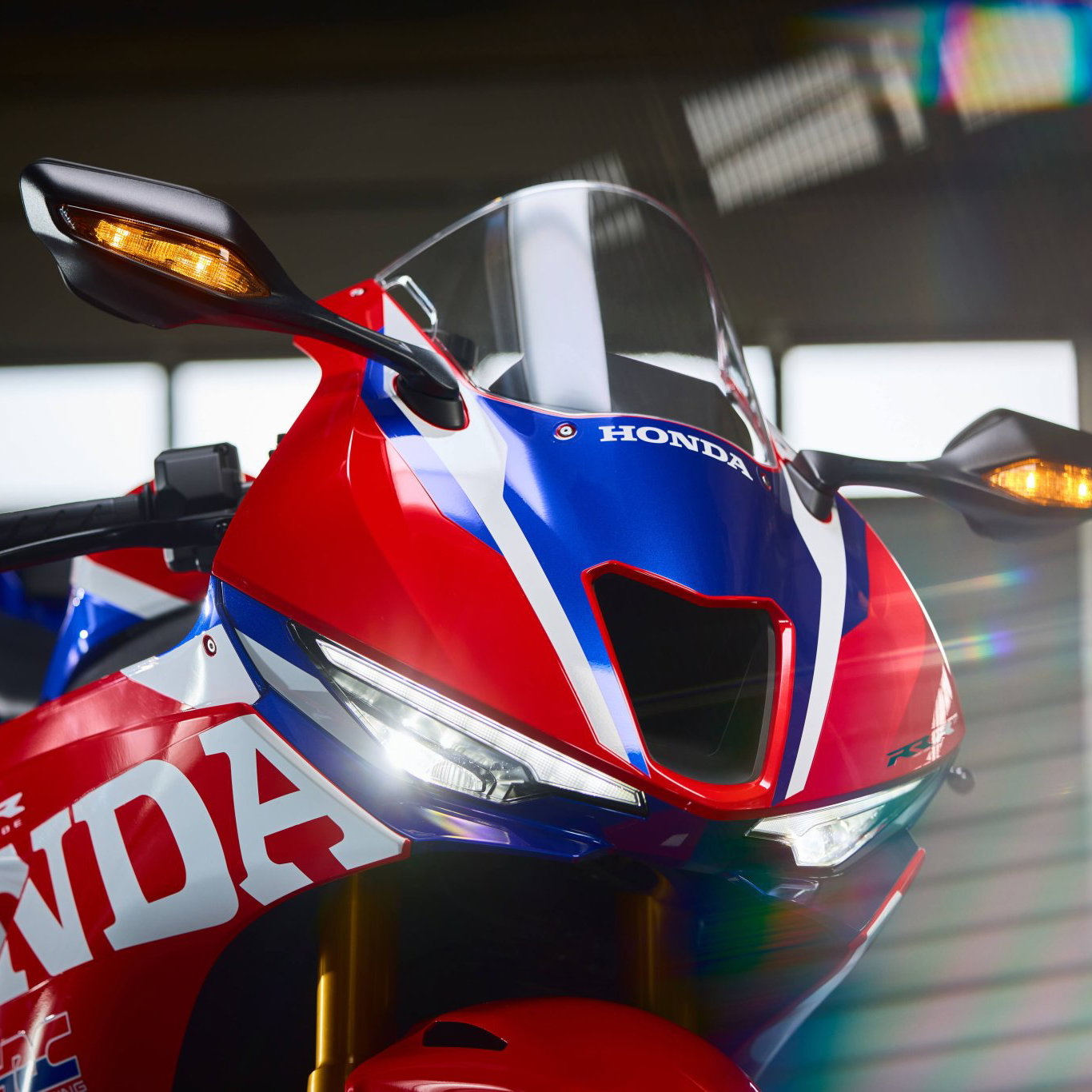
The Honda V3R900 E-Compressor has been a relatively long time coming, but its appearance at EICMA 2026 suggests we're finally getting close to seeing the unusual machine become a production reality. First shown as a concept two years ago, the latest version has what Honda describes as its final design lines, and looks considerably closer to something that could roll out of a factory and into a showroom.
The really interesting part, of course, is the engine. The V3R900 uses a 900cc, liquid-cooled, 75-degree V3 engine, which is paired with an electronically driven compressor. It's a fairly unusual arrangement, and one Honda says will deliver the sort of performance you'd normally associate with a much larger 1,200cc engine - just without the extra bulk.
Unlike a conventional turbocharger or supercharger, the electrically driven compressor can control the pressure of the intake air independently of engine speed. The intention is to deliver strong torque from low down in the rev range, without having to wait for the engine revs to build before the forced induction system starts doing its thing. It's an intriguing idea, particularly for a road-focused naked bike.
There are some other interesting touches, too, including a titanium fuel tank, Honda RoadSync connectivity and AI-assisted functions with voice control. We're still waiting for confirmation of pricing and when the bike will actually go on sale, but having seen how far the project has progressed, we'd quite like to find out whether the technology works as well on the road as it sounds on paper.

2. CFMOTO 550MT and 550MT-X
CFMOTO has been steadily expanding its adventure motorcycle range, and the arrival of the 550MT and 550MT-X gives the company two new options sitting above the existing 450MT. Both bikes use a new 527cc parallel-twin engine, but they're aimed at slightly different types of rider.
The engine produces a claimed 54bhp at 8,500rpm and 38.4lb-ft of torque at 6,000rpm. That's a useful increase over the 450MT, with CFMOTO claiming around 30 per cent more power. Both models also get a bi-directional quickshifter, although the standard 550MT goes a step further with an electronic clutch system designed to make everyday riding and gear changes easier.
It's the 550MT-X that interests us most, though. It gets a 21-inch front wheel and 18-inch rear, fully adjustable KYB suspension with 230mm of travel at the front and 220mm at the rear, plus 250mm of ground clearance. Those are fairly convincing numbers for a bike that looks to have been designed with more than the occasional gravel track in mind.
CFMOTO also claims a ready-to-ride weight of 183kg for the X model, which is actually lighter than the existing 450MT despite the increase in engine capacity. We'd be particularly interested to see how it performs away from the tarmac, because the middleweight adventure sector is getting increasingly competitive, and a bike that combines decent off-road ability with a more powerful engine could be a useful addition to the market.

3. CFMOTO V4SR-RR
CFMOTO has made little secret of its ambitions to compete with the established European and Japanese manufacturers, and the V4SR-RR is perhaps the clearest indication yet of just how serious those ambitions are. This is a proper litre-class superbike, complete with a high-revving V4 engine, active aerodynamics and a specification that puts it firmly in the company of some very expensive machinery.
The engine is an in-house-developed 997cc, 90-degree V4 producing more than 210bhp, according to CFMOTO. It also has a claimed 15,000rpm redline, which should give it the sort of character you'd expect from a modern superbike. The layout is familiar territory for anyone who has spent time looking at Ducati's latest Panigale models, with a front-frame chassis and counter-rotating crankshaft also part of the package.
Where things get particularly interesting is with the aerodynamics. The V4SR-RR features an active winglet system, with independently operated aerodynamic elements designed to alter airflow around the front of the bike. It's a more involved approach than simply bolting a pair of fixed wings to the fairing, although how much difference the system makes in real-world riding remains to be seen.
We're naturally curious about how this bike rides, particularly given that CFMOTO is now playing in a part of the market where expectations are exceptionally high. Producing more than 210bhp is one thing, but making that power accessible and giving the bike the handling, braking and feel expected of a modern superbike is another challenge altogether. If CFMOTO has managed that, the V4SR-RR could be a very interesting motorcycle indeed.

4. Suzuki GSX-10R
Suzuki's new GSX-10R is an interesting addition to the litre-class sports bike market because it doesn't appear to be chasing the same outright track-focused formula as some of its rivals. Instead, Suzuki is pitching it as a more usable sports bike, one that can be enjoyed on the road as well as on circuit days. That's a proposition we can get behind.
Power comes from a 999cc, liquid-cooled inline-four with its roots in the much-loved K5 GSX-R1000 engine architecture. The unit has been developed further through its use in the GSX-S1000, with changes to the exhaust valve specifications and cam chain assembly intended to improve reliability and reduce mechanical noise. Peak power is a claimed 150bhp.
The styling is an interesting mix of influences, with elements of the GSX-R1000R and GSX-S1000XR visible in the fairing and overall design. More importantly, Suzuki says the chassis and electronics package have been developed to make the bike suitable for a range of riding, from commuting and weekend blasts to longer trips and track sessions.
There is a question hanging over the whole concept, and it's one we'd like to answer from the saddle. Can a 150bhp litre-class sports bike really offer the sort of everyday usability that Suzuki is promising without feeling like a compromise when the road gets interesting? If the GSX-10R gets that balance right, it could be one of the more appealing new sports bikes to arrive in recent years.

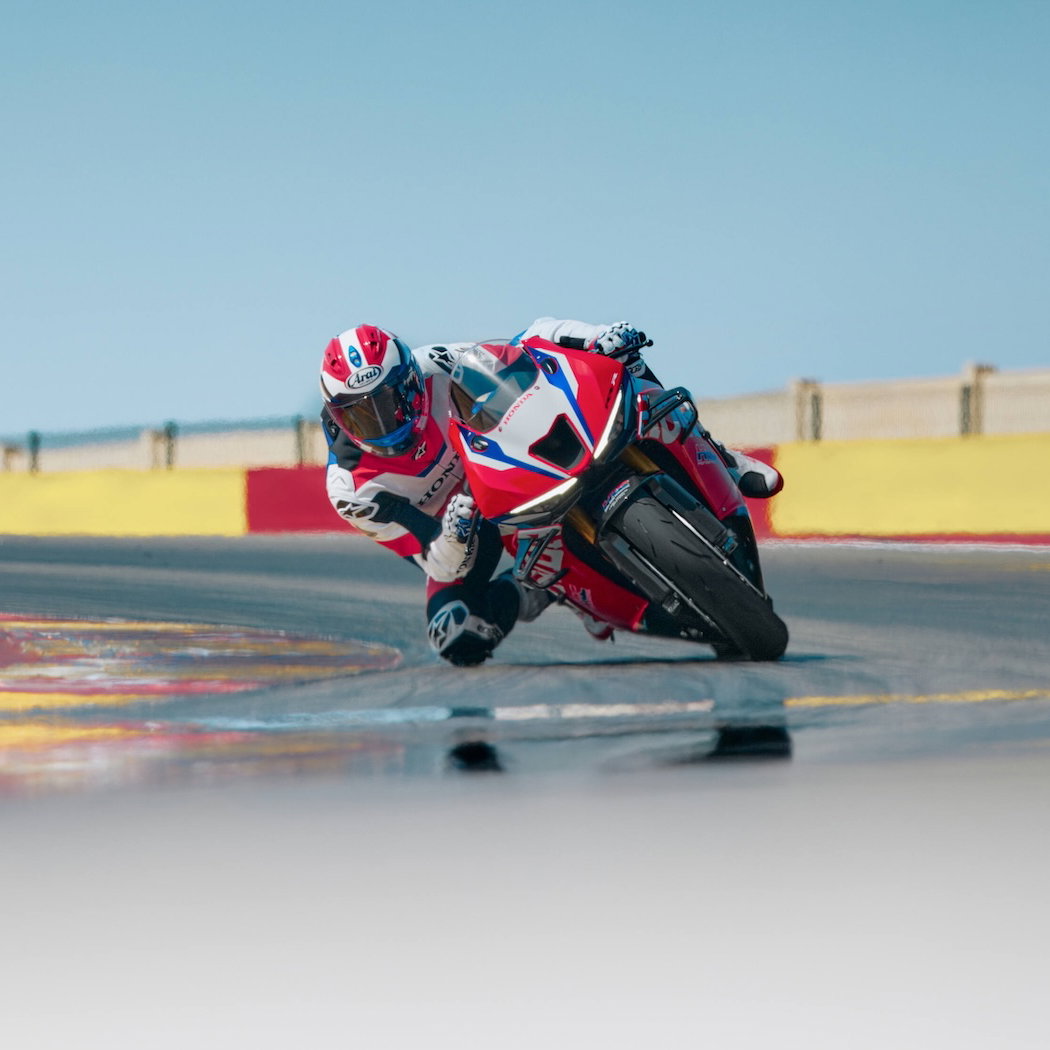
5. Honda CBR1000RR-R Fireblade HRC Works Edition
If the Suzuki is about making a litre-class sports bike more approachable, Honda's new Fireblade HRC Works Edition is very much heading in the opposite direction. This is the most track-focused version of the CBR1000RR-R yet, with a specification that takes the already serious Fireblade SP and adds a selection of competition-oriented components.
The engine remains the familiar short-stroke 1,000cc inline-four, producing 214.6bhp at 14,000rpm and 84.1lb-ft of torque at 10,500rpm. Those figures are unchanged across the 2027 Fireblade range, so the Works Edition isn't about chasing a bigger peak power number. Instead, Honda has concentrated on the chassis, suspension and other components that should make the bike more effective when pushed hard.
Among the upgrades are adjustable steering-head and swingarm-pivot geometry, Öhlins mechanical race suspension and Brembo Hypure Sports front brake calipers. The bike also shares the frame and aerodynamic updates introduced on the Fireblade SP, while gaining its own collection of competition-focused hardware. It's the sort of specification that makes you wonder just how close Honda wants to bring its showroom superbike to its WorldSBK machinery.
We'd certainly like to try it on track, where those changes should be easier to appreciate than on the average British B-road. The standard Fireblade is already a serious piece of kit, so the question is whether the Works Edition offers a meaningful improvement in the areas that matter to fast riders. Either way, it's a rather appealing bit of engineering, particularly if you like your sports bikes with a healthy dose of HRC racing influence.

6. Norton 450 Urban
Norton has spent the past couple of years rebuilding its motorcycle range, and the 450 Urban represents an important step into a more accessible part of the market. Currently using a working name, the new model will be offered in two different styles, with the standard roadster joined by a tracker-inspired version. Both are intended to appeal to riders looking for something smaller and less intimidating than Norton's larger-capacity machines.
Power comes from a new 454cc, liquid-cooled single-cylinder engine producing 47PS at 8,000rpm and 33.2lb-ft of torque at 6,000rpm. That makes it A2-compliant, while a six-speed gearbox and optional quickshifter add a little more interest to the package. Norton is also targeting a kerb weight below 180kg, which should make it a reasonably manageable proposition for newer riders.
The two versions share their engine, chassis and core equipment, with the differences largely coming down to styling. The standard model takes the modern naked roadster approach, while the tracker gets black cast wheels, a grey frame and swingarm, extended mudguards, handguards, fork protectors and a small flyscreen. It's a simple way of giving the range two distinct identities without having to develop two completely different motorcycles.
We're interested in this one for a slightly different reason to some of the other bikes here. Norton's revival has largely been built around its premium models, but the 450 Urban gives the brand a chance to reach a much wider group of riders. Getting the weight, price and everyday usability right will be important, but a well-sorted A2 Norton with a bit of character could be a welcome addition to the class.

7. Honda CRF1150L Africa Twin
Honda's Africa Twin has been one of the more recognisable names in the adventure bike market for years, and the 2027 range brings a fairly substantial update. The headline change is a new 1,131cc engine, but Honda has also revised the chassis and expanded the family to include four different models, giving buyers more choice over the sort of adventure motorcycle they want.
The standard Africa Twin and Adventure Sports both receive the larger engine, while the new Enduro Sports model adds another option for riders who want something with a more off-road-focused outlook. At the other end of the range sits the Adventure Sports Honda SENSING RIDE, which introduces radar-based rider assistance technology. It's a significant addition to the Africa Twin family and shows how far the adventure category has moved beyond its original, relatively simple formula.
The Enduro Sports is probably the model we'd gravitate towards first. The Africa Twin has always had a reputation for being a capable all-rounder, but there is something appealing about a large-capacity adventure bike that still puts an emphasis on off-road ability. With the revised chassis and new engine, we're keen to see whether Honda has managed to retain the accessible character that helped make the modern Africa Twin popular in the first place.
There is also the question of how the new technology works in practice. Radar assistance has become increasingly common on large touring motorcycles, but integrating it into an adventure bike brings its own challenges, particularly when the riding environment changes from motorway to muddy trail. We'd like to see how the new range performs across both ends of that spectrum, because that's ultimately what an Africa Twin should be about.

8. Yamaha RW700 and RW700 Explore
Not every motorcycle at EICMA needs to have a manual gearbox and a conventional riding position to catch our attention. Yamaha's new RW700 range is an interesting attempt to take the adventure scooter concept somewhere rather different, using the company's familiar 689cc CP2 parallel-twin engine as the basis for a pair of larger-capacity machines.
The RW700 and RW700 Explore both use Yamaha's six-speed Y-AMT automated manual transmission, which allows the rider to change gears using a switch on the left handlebar. It's the same basic system already found across several of Yamaha's motorcycle ranges, including the MT-09 and Tracer 9 GT family. The engine produces a claimed 68.4bhp at 8,250rpm and 48lb-ft of torque at 6,750rpm, with A2-restricted versions also available.
Both models get a six-axis IMU and a selection of electronic rider aids, including traction control, slide control and brake control. Yamaha has also fitted its electronically controlled throttle system, while the two versions are intended to offer slightly different approaches to adventure-style riding. The Explore is the more touring-focused option, while the standard RW700 provides the basis for the range.
We'd be lying if we said we weren't curious about this one. Adventure scooters have traditionally occupied a fairly specific corner of the market, but putting a proven 689cc twin into the equation changes things considerably. The combination of an upright riding position, weather protection and automated transmission could make for a genuinely useful long-distance machine, particularly for riders who spend a lot of time covering miles. Whether it feels like a motorcycle or a scooter when the road gets twisty is something we'd very much like to find out.

9. Benda Capra 700
Benda is perhaps better known for its cruisers, so the arrival of the Capra 700 represents a fairly significant departure for the Chinese manufacturer. It's the company's first adventure motorcycle, and rather than simply following the usual middleweight parallel-twin formula, Benda has opted for a 691.6cc, 65-degree V-twin engine.
That engine produces a claimed 72bhp at 9,000rpm and 50lb-ft of torque at 6,500rpm. It's housed in a steel trellis frame, with an aluminium swingarm, adjustable upside-down front forks and a rear monoshock. The bike also gets a 21-inch front wheel and 18-inch rear, suggesting Benda wants the Capra to have at least some genuine off-road credentials.
There is plenty of equipment on the specification sheet, too. The Capra 700 gets a vertical TFT display, ride-by-wire throttle, two-channel ABS and traction control, alongside an 18-litre fuel tank. Benda quotes a seat height of 850mm and a kerb weight of 220kg, so it's not exactly a lightweight trail bike, but those figures put it in familiar territory for a road-focused middleweight adventure machine.
What we'd really like to discover is how that V-twin changes the character of the bike. Most of the competition in this part of the market uses parallel-twin engines, so the Capra could offer something a little different in terms of sound, delivery and overall feel. Benda has confirmed that the bike will come to the UK, although pricing and availability are still to be announced. We're keen to see whether the company's first adventure bike can make the transition from cruiser specialist to credible contender in one of motorcycling's busiest categories.

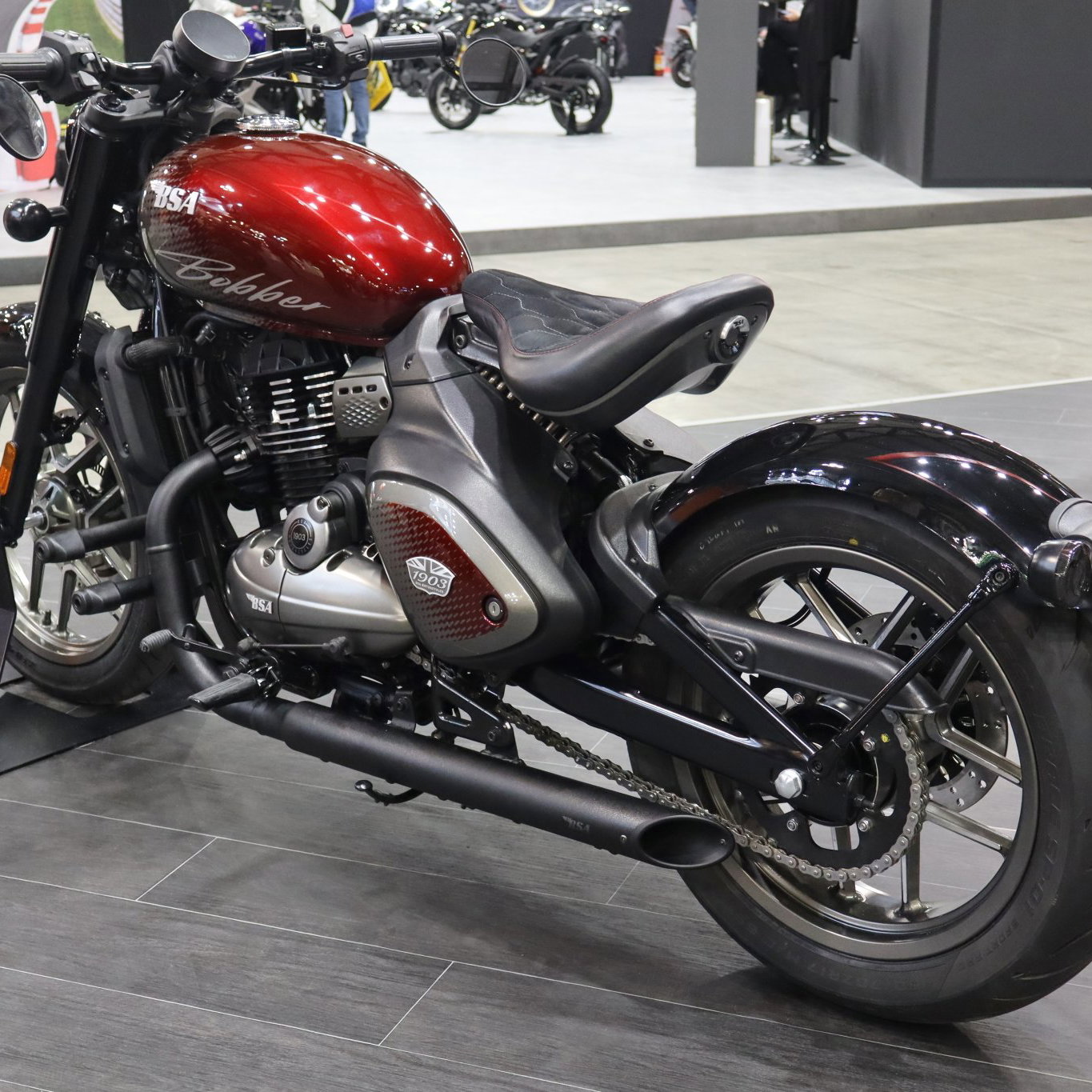
10. BSA Bantam Bobber 350 and Scrambler 350
BSA has been busy expanding its range, and the latest additions to the Bantam family give the existing 350 platform two distinctly different personalities. The new Bobber 350 and Scrambler 350 both use the same basic 334cc single-cylinder engine, but their styling and chassis components take them in different directions. They also joined the new Thunderbolt 350 at EICMA, making it a fairly busy show for the Birmingham-born brand.
The Bobber 350 is the more laid-back of the two, with upside-down front forks and a rear monoshock featuring seven-step adjustable preload. BSA claims 27.8bhp at 8,000rpm and 19.4lb-ft of torque at 6,000rpm. There will also be a special edition version featuring dark chrome, gold upside-down forks, 16-inch spoked wheels and a full-colour TFT display.
The Scrambler 350 takes a slightly different approach, using conventional telescopic hydraulic forks and twin rear shock absorbers with five-step adjustable preload. It produces a claimed 28.6bhp at 8,100rpm and 22.1lb-ft of torque at 6,750rpm, making it marginally more powerful than the Bobber. It also gets spoked wheels and semi-knobbly tyres, with the styling taking inspiration from the original 1966 BSA Bushman.
Neither bike is likely to set the world alight in terms of outright performance, but that's not really the point. The Bantam name has a history of providing accessible, relatively uncomplicated motorcycling, and these two new versions look to build on that idea rather than reinvent it. We'd be interested to see how the Scrambler handles a bit of rougher terrain, while the Bobber should make for a relaxed run along a decent stretch of road. Sometimes a motorcycle doesn't need to have 200bhp or a complicated electronic suspension system to make us want to ride it, and these two BSAs are a decent reminder of that.
Find the latest motorcycle news on Visordown

Simon (AKA Toad) has been working within the motorcycle industry for more than twelve years, and a member of the motorcyclist family since birth. Growing up around British-built single and twins, it was inevitable that a life on two wheels was on the cards, from a very early age!