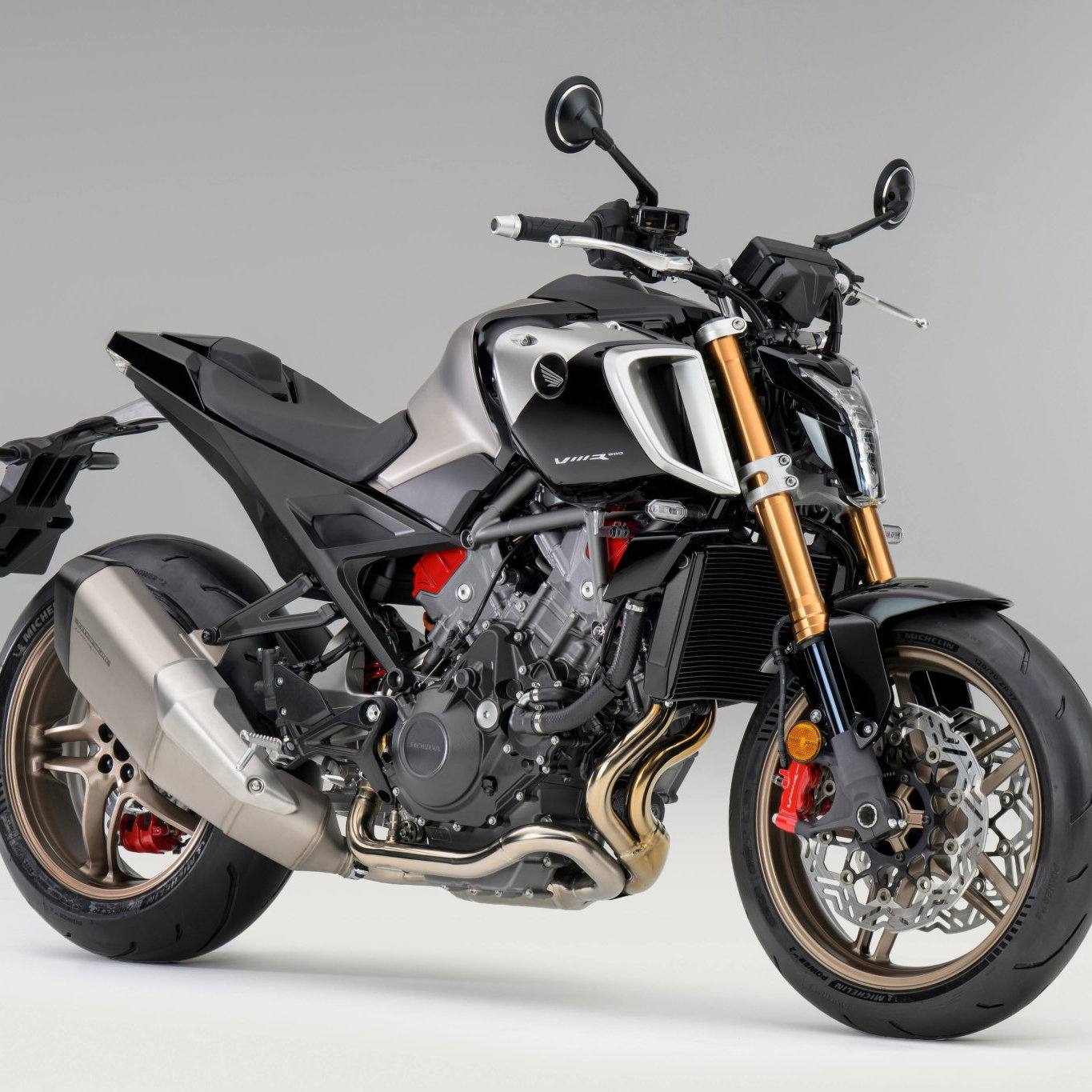
Honda Fireblade V4: Boss refuses to rule out future engine change
Honda remains committed to the Fireblade's inline-four engine, but project leader Takazumi Hayashi says the company is open to other configurations.

Honda has no immediate plans to abandon the inline-four engine used by its CBR1000RR-R Fireblade, but the man responsible for developing the 2027 superbike has refused to rule out a change of direction in the future.
With its rivals increasingly switching to V4 engines, Honda's decision to stick with an inline-four for the new Fireblade might seem a little surprising. However, Takazumi Hayashi, Large Project Leader for the 2027 Fireblade, says there is still life in the inline-four cylinder engine
Speaking to Visordown at EICMA 2026, Hayashi was asked whether Honda had considered moving to a V4 configuration for its latest superbike, or whether it believed the inline-four remained the better option.
His response was fairly straightforward.

"We chose the inline-four because we strongly believe that we can win with this configuration," Hayashi explained.
However, he was less definitive when asked whether Honda would stick with the layout indefinitely.
"In the future, we don't know. We are open to every possibility."
While that doesn't mean a V4-powered Fireblade is on the horizon, it does at least suggest Honda isn't necessarily wedded to the inline-four forever.
The subject is particularly interesting given Honda's experience with alternative engine configurations in racing. Its RC211V MotoGP machine famously used a V5 engine, demonstrating that the company has previously explored alternatives to conventional four-cylinder layouts when the regulations and performance requirements allowed.

During the same interview, Hayashi was also asked about the possibility of a V5 configuration. The translated response was difficult to follow, but appeared to highlight potential advantages relating to vibration management and overall vehicle mass. He also suggested that current regulations would, sadly, prevent such an approach.
For now, though, Honda's focus remains firmly on getting the most from its inline-four.
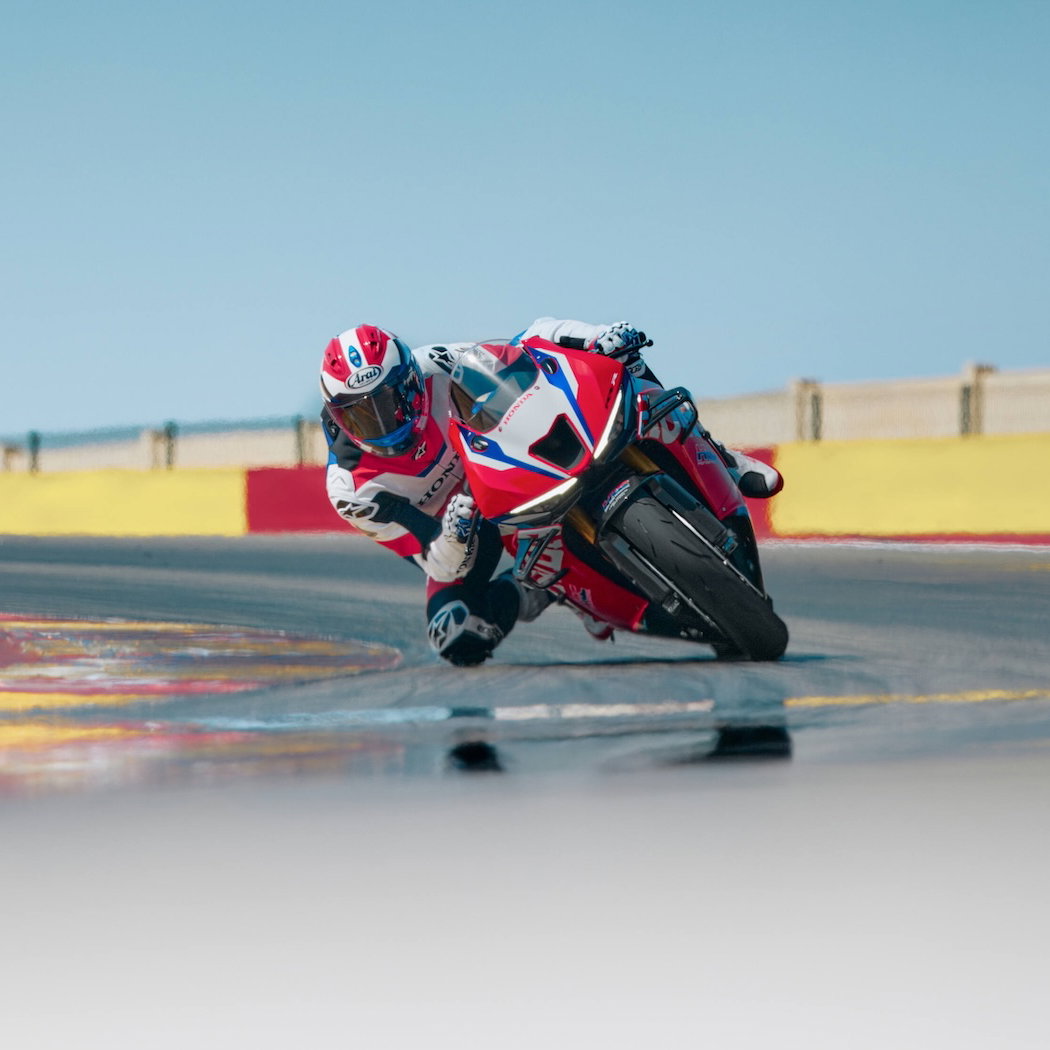
The 2027 Fireblade has been developed with HRC and professional riders involved from the outset, with cornering performance identified as a key area for improvement over the previous generation.
Interestingly, when asked which technology transferred from MotoGP has made the biggest difference to the new road bike, Hayashi gave a one-word answer: aerodynamics. Taken as a throwaway comment, that doesn’t mean too much, but in the context of Honda’s 2027 model range, it’s more interesting.
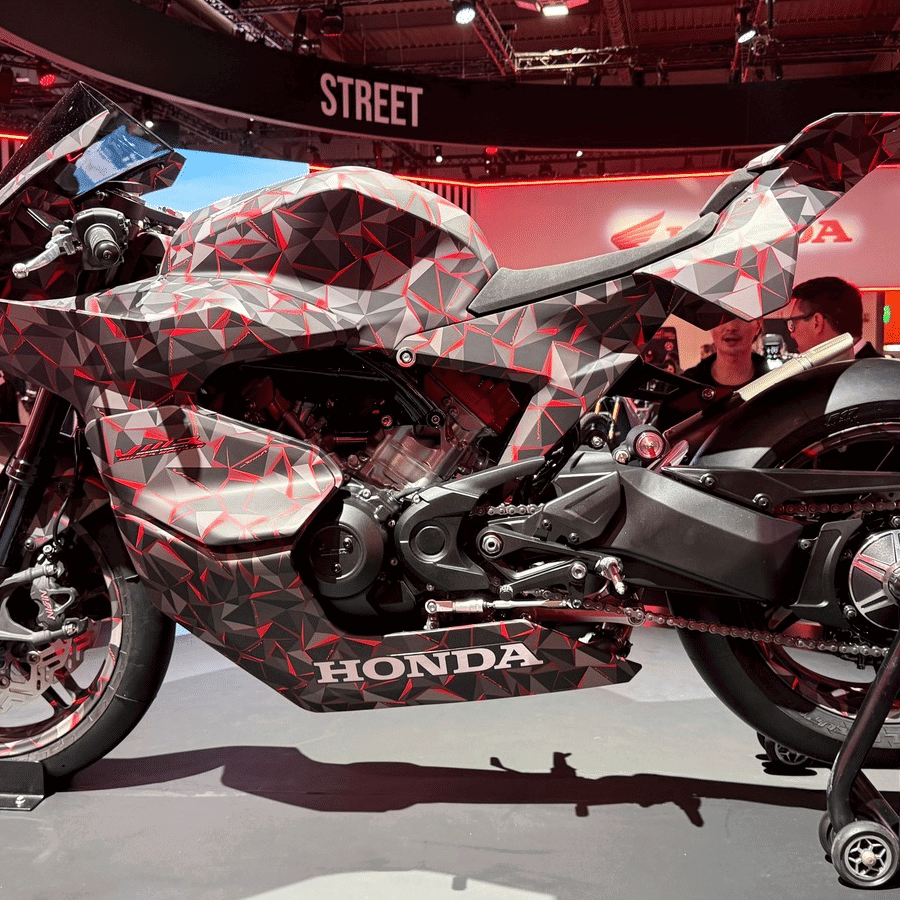
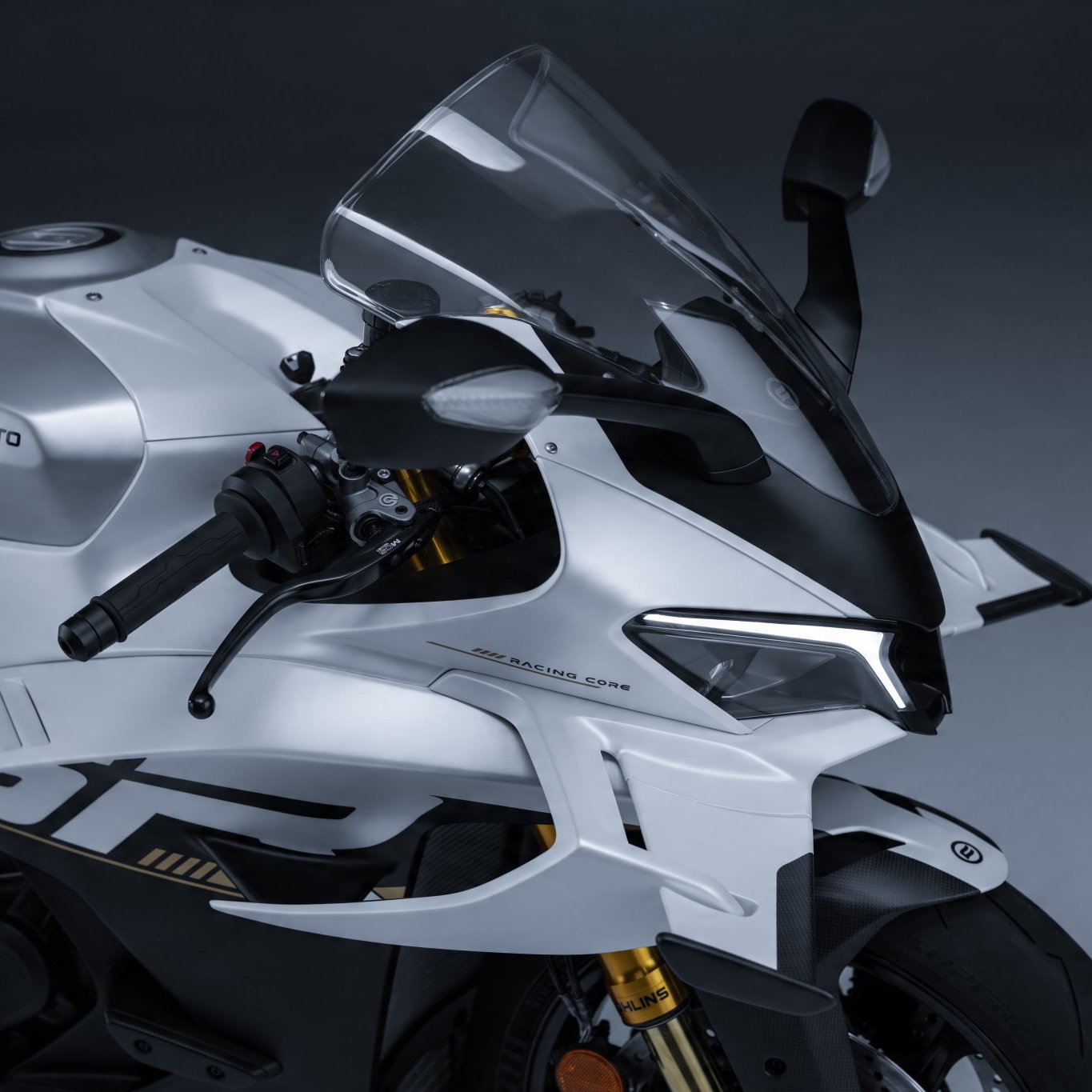
That thinking also explains why Honda has taken a different approach to the aerodynamics across the 2027 Fireblade range. While the HRC Works Edition gets the full winglet treatment to maximise downforce for racing, the standard and SP models do without them.

Hayashi explained that the additional aerodynamic hardware brings a weight penalty and can affect handling, so Honda wanted to give road riders a lighter alternative. It's a slightly different take on the current superbike trend, where winglets have become almost as much a styling feature as a functional one, and Hayashi even admitted that he personally prefers the cleaner look of the Fireblade without them.
That all suggests Honda believes there is still plenty of potential to extract from its existing engine configuration, with chassis and aerodynamic development offering further opportunities to further improve performance.
Find the latest motorcycle news on Visordown

Simon (AKA Toad) has been working within the motorcycle industry for more than twelve years, and a member of the motorcyclist family since birth. Growing up around British-built single and twins, it was inevitable that a life on two wheels was on the cards, from a very early age!