Top five concept motorcycles from EICMA that we hope will make it into production
From Honda's V3 supersport to Yamaha's smaller Ténéré, these are five EICMA 2026 concepts and new ideas we'd love to see reach production.

EICMA is always a good place to get a glimpse of what motorcycle manufacturers have planned for the future, although not everything displayed on the show floor is destined to make it into a showroom. Some concepts are little more than design exercises, others offer a preview of new technology, while a select few look suspiciously close to being finished motorcycles.
This year's show in Milan had plenty of examples of all three, with manufacturers using the event to demonstrate everything from new engine configurations to alternative forms of personal transport. There were also some interesting hints about where familiar motorcycle ranges could be heading, particularly as manufacturers look to fill gaps in their existing line-ups.
Of course, not every concept needs to become a production motorcycle to be worthwhile. Some of the more unusual ideas are interesting precisely because they challenge what we expect from a motorcycle manufacturer, even if the prospect of actually buying one remains some way off.
With that in mind, we've picked out five EICMA concepts and new ideas we'd particularly like to see developed further. Some look considerably more likely to reach production than others, but each has given us something to think about.

1. Benda Vinster 700 and Vinster X 700
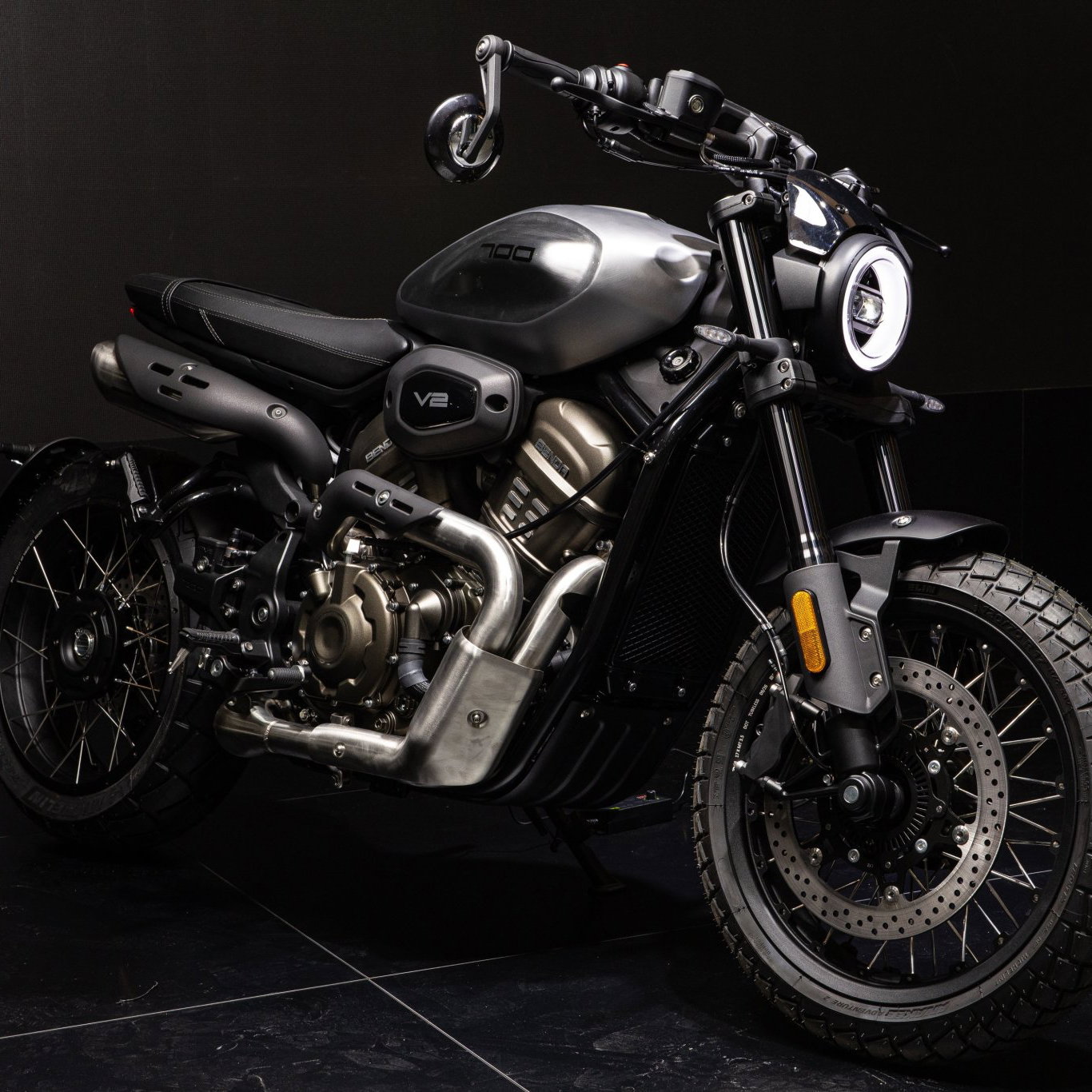
Strictly speaking, the Benda Vinster 700 and Vinster X 700 have already moved beyond the concept stage, having been formally unveiled as production models following their appearance at EICMA. However, their origins as a design-led project make them worth including, particularly as they demonstrate how willing Benda is to experiment with the appearance of its motorcycles.
Both machines use the company's 691.6cc liquid-cooled V-twin engine, which is also found in the Rock 707 and the new Capra 700 adventure bike. Output is quoted at 72bhp at 9,000rpm, with 50lb-ft of torque arriving at 6,500rpm. The engine sits in a double-cradle frame, with an aluminium swingarm and conventional suspension at both ends.
Where the two models differ is in their styling and intended use. The standard Vinster 700 takes a more traditional roadster approach, while the Vinster X 700 adopts a more adventure-touring-inspired appearance. The latter also gets a 19-inch front wheel, compared with the 17-inch wheel fitted to the standard model, and has a taller 865mm seat height compared with 830mm.
Benda's decision to build two different motorcycles around the same platform is an interesting one, particularly as the company continues to expand into new segments. Its 700cc V-twin is becoming an increasingly important part of that strategy, providing the basis for several different types of motorcycle without requiring an entirely new engine development programme for each.

2. Honda VIIIR V3 Supersport
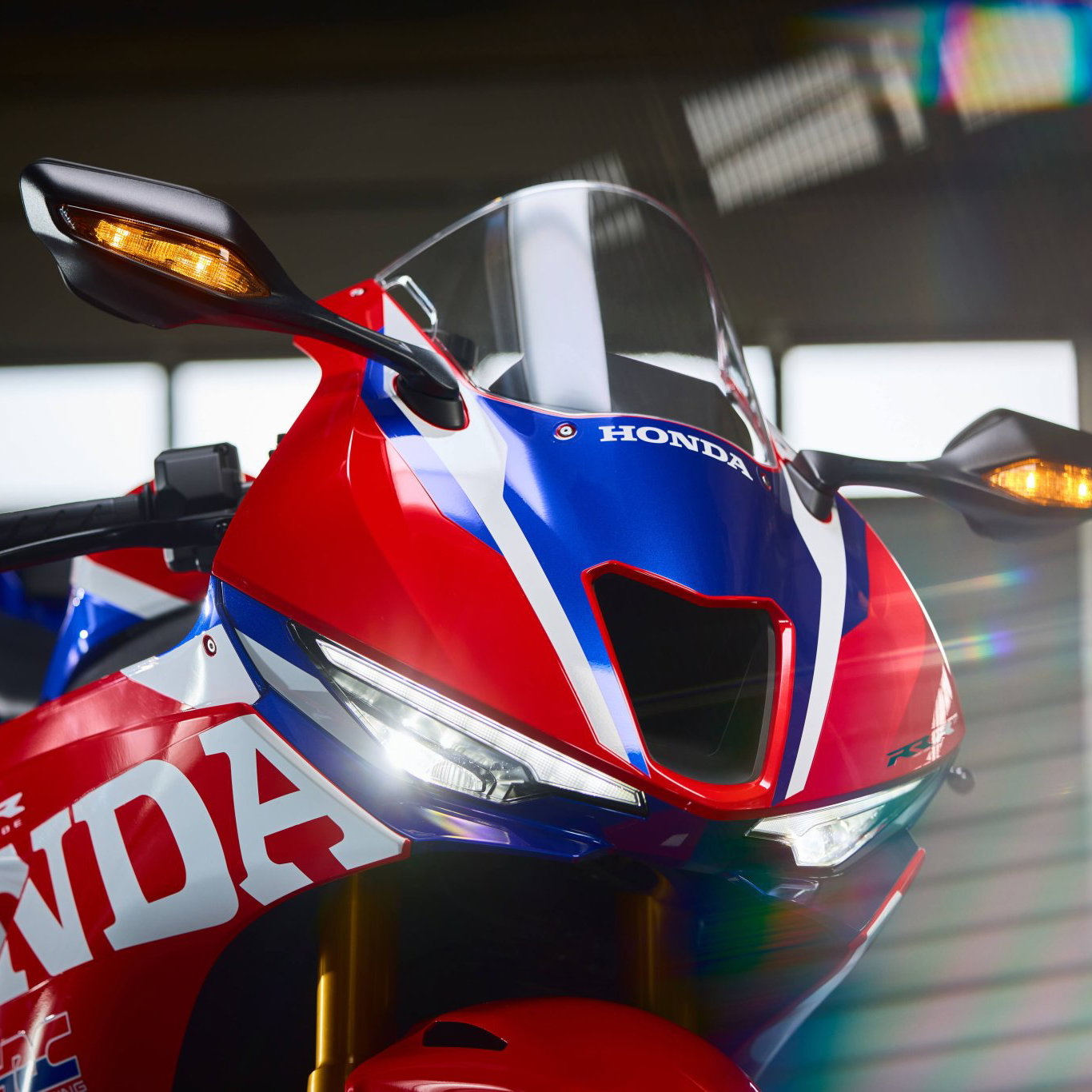
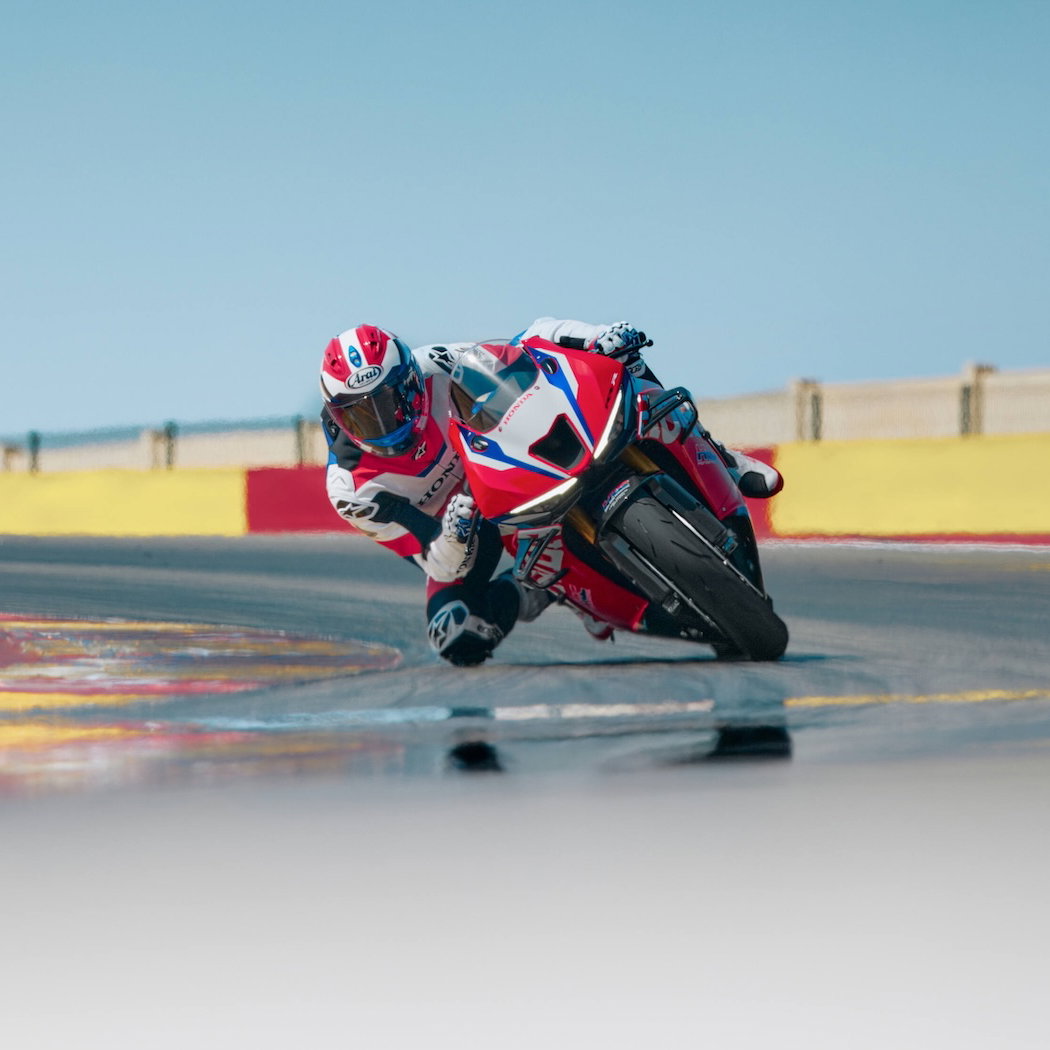
Honda's new V3 engine has been one of the more intriguing developments in the company's recent history, and EICMA 2026 provided our first proper look at how it could eventually be used in a sports motorcycle. The VIIIR concept takes the unusual engine configuration and places it inside a supersport-style package, potentially giving Honda a new contender in an increasingly competitive category.
The concept is understood to be based around a 900cc liquid-cooled V3 engine, closely related to the powerplant being developed for the V3R900 E-Compressor. However, there is an important distinction between the two machines, as the supersport version is expected to use a naturally aspirated configuration rather than the electronically controlled compressor system.
That could make for an interesting alternative to the conventional four-cylinder and parallel-twin engines currently dominating the middleweight sportsbike market. Honda has continued to campaign the CBR600RR in World Supersport, but competition from machines such as the Ducati Panigale V2, Yamaha R9 and Kawasaki ZX-6R means there is certainly room for a fresh approach.
The VIIIR could also provide Honda with an opportunity to develop a road-going platform with enough potential to form the basis of a new racing motorcycle. Although there is no guarantee that the concept will become a production model in precisely the form shown at EICMA, the possibility of a new V3-powered sportsbike is an appealing one.

3. Yamaha Ténéré 4 Concept
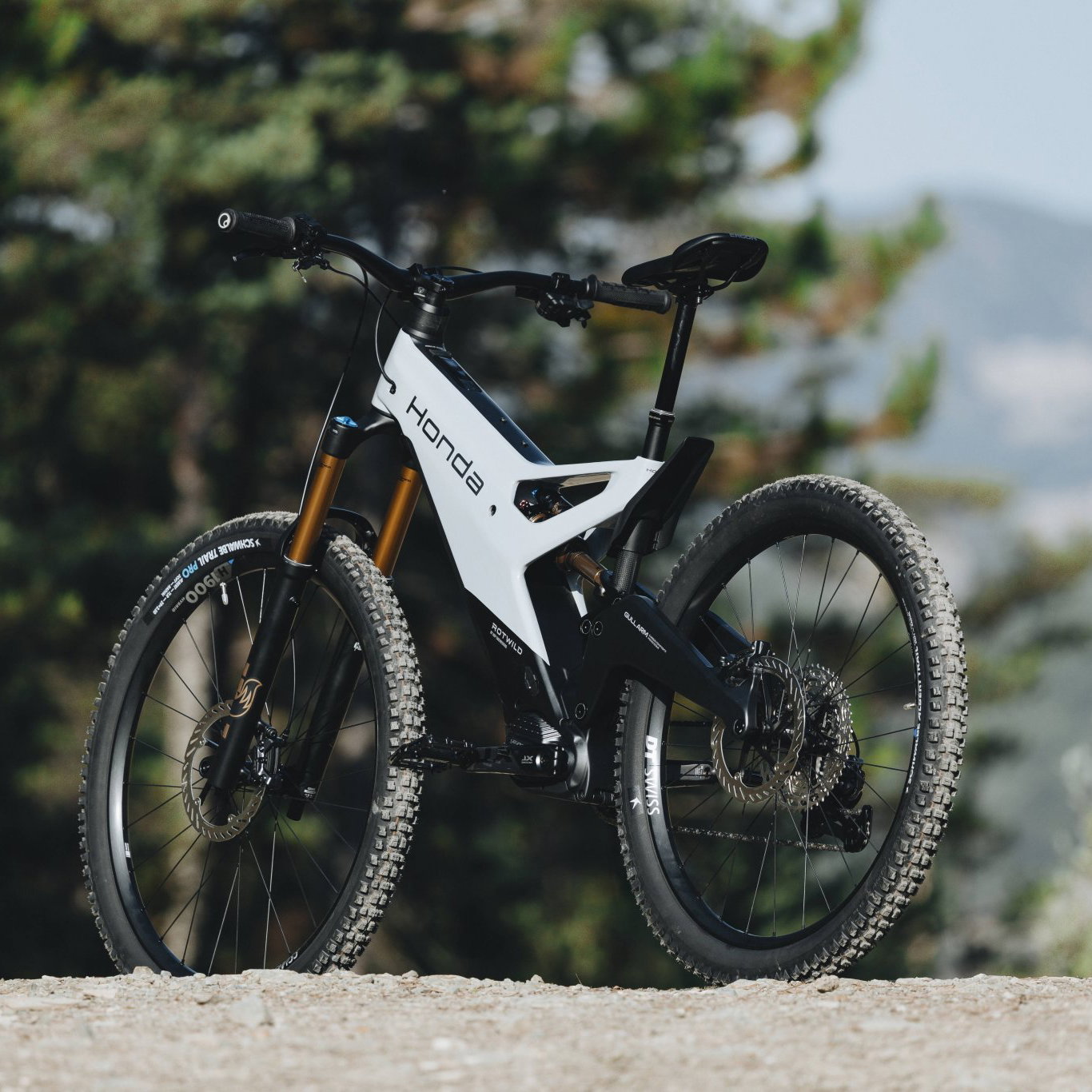
Yamaha's Ténéré 700 has established itself as one of the most recognisable middleweight adventure motorcycles on the market, but there has long been room for something smaller and more accessible beneath it. The Ténéré 4 Concept could be the answer, with Yamaha confirming that the lightweight adventure bike has been developed in response to customer demand.
The idea is relatively straightforward, taking the familiar Ténéré design language and applying it to a smaller A2-compliant motorcycle. Yamaha has not yet confirmed the engine capacity or final performance figures, but the concept is intended to provide a more accessible entry point into its adventure range without sacrificing the off-road focus that has helped make the Ténéré name so popular.
Visually, the concept is instantly recognisable, with a slim profile, low fuel tank silhouette and rally-inspired bodywork. Yamaha has also equipped the display bike with KYB suspension, 21-inch front and 18-inch rear spoked wheels, Michelin Anakee Wild tyres and a titanium Akrapovič exhaust. Those components might not all survive the transition to a production model, but they give a good indication of the motorcycle's intended direction.
The smaller adventure category is already an increasingly busy part of the market, with bikes such as the Royal Enfield Himalayan 450, KTM 390 Adventure and Honda NX500 offering different interpretations of accessible adventure riding. A Ténéré with a smaller engine could give Yamaha a strong alternative, particularly if it can keep the weight down and retain the off-road ability of its larger sibling.

4. Kawasaki Corleo
Kawasaki's Corleo is probably the most unusual entry on this list, and calling it a motorcycle concept would be stretching the definition somewhat. Instead of two wheels, it has four robotic legs, with the rider sitting astride the machine and controlling its movement through changes in body position. It is, essentially, Kawasaki's attempt to rethink personal mobility beyond the traditional motorcycle.
The hydrogen-powered machine was presented at EICMA as a full-scale mock-up, following its earlier unveiling, and forms part of Kawasaki Heavy Industries' wider exploration of alternative transport technologies. The company is applying its experience in robotics and motorcycle development to create a vehicle designed for travelling across challenging terrain.
Rather than using handlebars and conventional steering controls, Corleo is operated in a manner more akin to riding a horse. The rider shifts their weight to direct the vehicle, while its four independent legs are designed to adapt to changes in the terrain. Kawasaki is also developing a dedicated navigation system capable of detecting factors such as weather, temperature, surface conditions and the presence of wildlife.
There is clearly a considerable amount of development still required before something like Corleo could become a practical everyday vehicle. Its hydrogen power system, robotic hardware and unusual control method all present challenges that conventional motorcycles simply don't have to contend with. It also raises some fairly obvious questions about cost, accessibility and where such a vehicle could actually be used.

5. Benelli Tornado Naked Tre 903 Concept
Benelli's return to three-cylinder engine development was one of the more interesting surprises at EICMA, with the Italian manufacturer revealing the Tornado Naked Tre 903 Concept. The name will be familiar to anyone who remembers the company's earlier Tornado Tre models, and the new concept suggests Benelli could be preparing to revisit a part of its history that helped establish its reputation.
The machine is powered by a near-900cc three-cylinder engine, with Benelli quoting a weight of just 56kg for the powerplant and a 14,000rpm rev limit. Detailed performance figures have not yet been released, although the engine's configuration and stated operating range suggest a very different character to the parallel-twin units that currently feature across much of the company's range.
There is plenty of interesting technology elsewhere, too. The concept features a modular frame made up of three separate sections, with aluminium front and rear components joined by a composite central section. Benelli describes this as a way of allowing the frame to be adapted to different motorcycles, potentially providing the basis for several future models while reducing development and manufacturing costs.
The Tornado Naked Tre 903 also showcases some more exotic equipment, including fully adjustable Öhlins rear suspension, Marzocchi front forks and an IMU-controlled active aerodynamic system. Its winglets are independently controlled, with the system designed to adjust their operation according to speed, riding conditions and rider inputs. Some of that equipment is likely to be reserved for the concept, but it provides an indication of the technology Benelli is exploring.
Importantly, Benelli has described the 903 as a test bed for ideas it is currently developing, rather than confirming it as a future production model. That means we shouldn't necessarily expect to see this exact motorcycle arrive in dealerships, but the return of a three-cylinder engine and the introduction of a modular platform could have much wider implications for the brand. We'd certainly like to see Benelli take those ideas further, particularly if it means the return of a proper road-going triple to its range.
Find the latest motorcycle news on Visordown

Simon (AKA Toad) has been working within the motorcycle industry for more than twelve years, and a member of the motorcyclist family since birth. Growing up around British-built single and twins, it was inevitable that a life on two wheels was on the cards, from a very early age!