BMW, Toyota, Bosch and Repsol launch real-world trial of 100 per cent renewable petrol
Bosch, BMW, Toyota and Repsol have launched a six-month trial of 100 per cent renewable petrol, aiming to prove existing petrol engines can cut emissions without major changes.

Just when it looked like Europe's automotive industry had settled on electrification as the only route to lower emissions, another group of major manufacturers is making the case that the internal combustion engine still has some life in it yet.
Bosch, BMW Group, Toyota Motor Europe and the Spanish energy giant Repsol have launched a six-month pilot project that will see around 20 vehicles running exclusively on 100 per cent renewable petrol. The trial, which began in Spain earlier this month, is designed to gather real-world data rather than laboratory figures, with the companies hoping it will strengthen the argument for renewable fuels as part of Europe's wider decarbonisation plans.

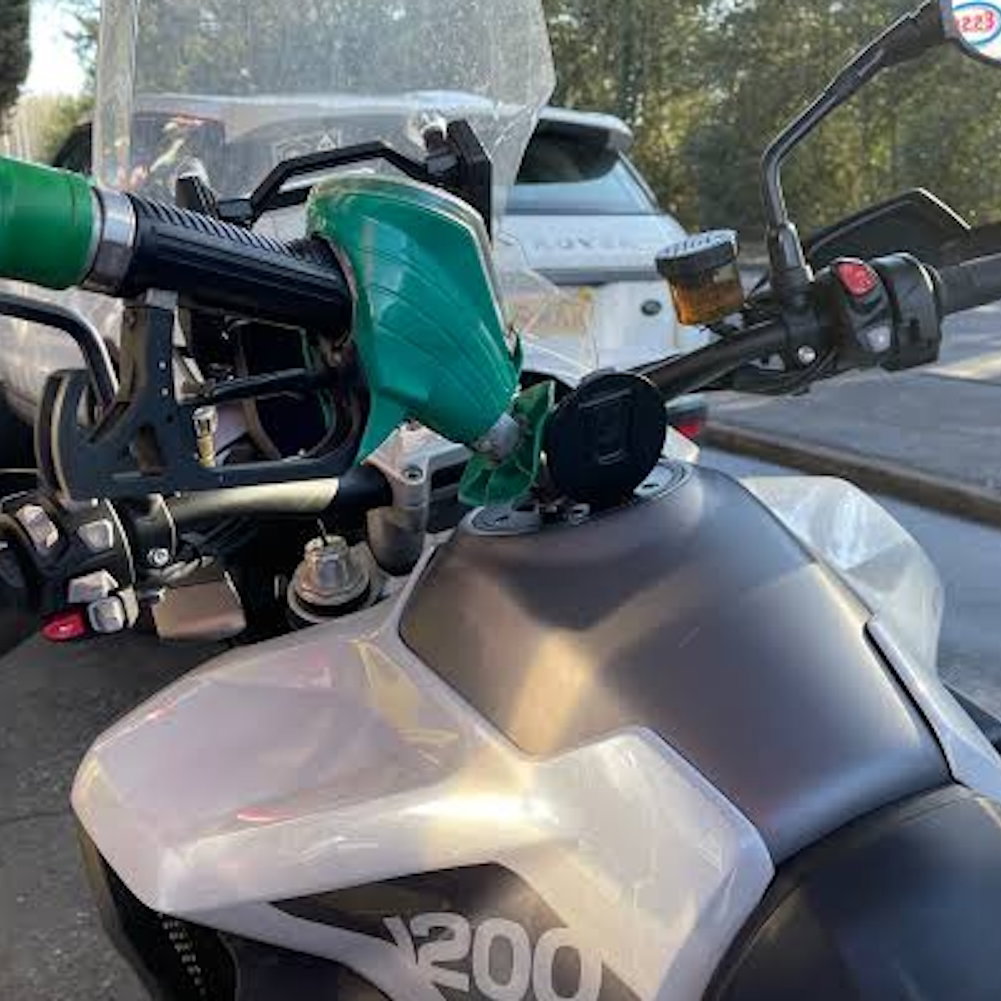
The fleet, made up of BMW and Toyota models, will use Repsol's Nexa 95 renewable gasoline, a fuel produced from renewable feedstocks that the company says delivers significantly lower greenhouse gas emissions than conventional petrol. Crucially, it requires no modifications to existing engines and can be dispensed through the same filling stations and infrastructure already in use.
That's significant, because expanding EV charging infrastructure requires major investment and, in many cases, extensive groundwork to forecourts. Renewable fuels, by contrast, can use the same pumps, storage tanks, and distribution networks already in place, making them a far simpler proposition from an infrastructure perspective.

For Bosch, the focus is just as much on proving where the fuel comes from as it is on how it performs. The company is supplying what it calls a "digital fuel twin", a tracking system that links information from the vehicle, fuel station and payment data to verify that renewable fuel has actually been used throughout the trial.
And while that might sound like admin, it's an important part of the project. If renewable fuels are ever to play a meaningful role in future emissions regulations, manufacturers and regulators will need a reliable way to verify which fuel a vehicle has been running on.
Spain was chosen for the pilot because it already has public access to Repsol's renewable petrol, making it one of the few places where the trial can be carried out under normal operating conditions rather than as a closed demonstration.
While the project itself is relatively small, at just 20 vehicles, its ambitions are considerably bigger. The companies involved intend to use the results to support ongoing discussions in Brussels about adopting a more technology-neutral approach to reducing transport emissions, rather than relying almost exclusively on battery-electric vehicles.

That debate has been rumbling on for several years, with manufacturers including BMW, Porsche and Toyota having consistently argued that low-carbon fuels should sit alongside electrification, particularly as millions of petrol-powered vehicles will remain on European roads for decades to come. Critics, meanwhile, question whether renewable fuel production can ever be scaled up sufficiently, or at a price that makes widespread adoption realistic.
This pilot won't settle that argument on its own, though, and it’ll likely take more than twenty cars over six months to reshape Europe's transport policy. It does, though, go some way to underlining that some of the industry's biggest names are still investing time and money into keeping combustion engines relevant.
Here's hoping that the policymakers are prepared to listen.
Find the latest motorcycle news on Visordown

Simon (AKA Toad) has been working within the motorcycle industry for more than twelve years, and a member of the motorcyclist family since birth. Growing up around British-built single and twins, it was inevitable that a life on two wheels was on the cards, from a very early age!