Yamaha appears to be developing a revised version of its unusual tri-plane winglet
Yamaha looks set to evolve its current tri-plane winglets housed by the 1,000cc M1 MotoGP bike, albeit with modifications, for the new-generation 850cc machine.

The development race ahead of the new era of MotoGP in 2027 has already begun, and Yamaha, unsurprisingly based on its history, is seemingly taking a different approach.
Until this season, Yamaha was the only remaining manufacturer to use an inline-four engine following Suzuki’s exit from the sport in 2022.
Although Yamaha made the change to a V4 in 2026, its lack of competitiveness has still been a major talking point, however, it’s worth remembering that changing from one engine type to another is going to require time and development, especially when competitors have fine tuned that same engine configuration over several years.
While Yamaha adopted a different strategy regarding its engine for many years, it has also followed that line of thinking with regards to its aero packages.

At the start of this season Yamaha converted to the ‘box-wing’ approach used by Aprilia, KTM, Honda, and of course, Ducati, which was the first brand to introduce this type of design.
But Yamaha’s decision to switch from the tri-plane wings did not last long, with the Iwata-based company having already reverted back to its previous style, albeit in the form of a more traditional ‘box-wing’ approach.
The tri-plane design differs by adding ridged cuts into the winglet, while the ‘box-wing’ approach offers a slightly cleaner, more compact look.
While Yamaha’s front aero package is different to any other brand, Aprilia has also taken on a slightly unique approach due to its curved design, although the Noale company still opted for the ‘box-wing’ effect.
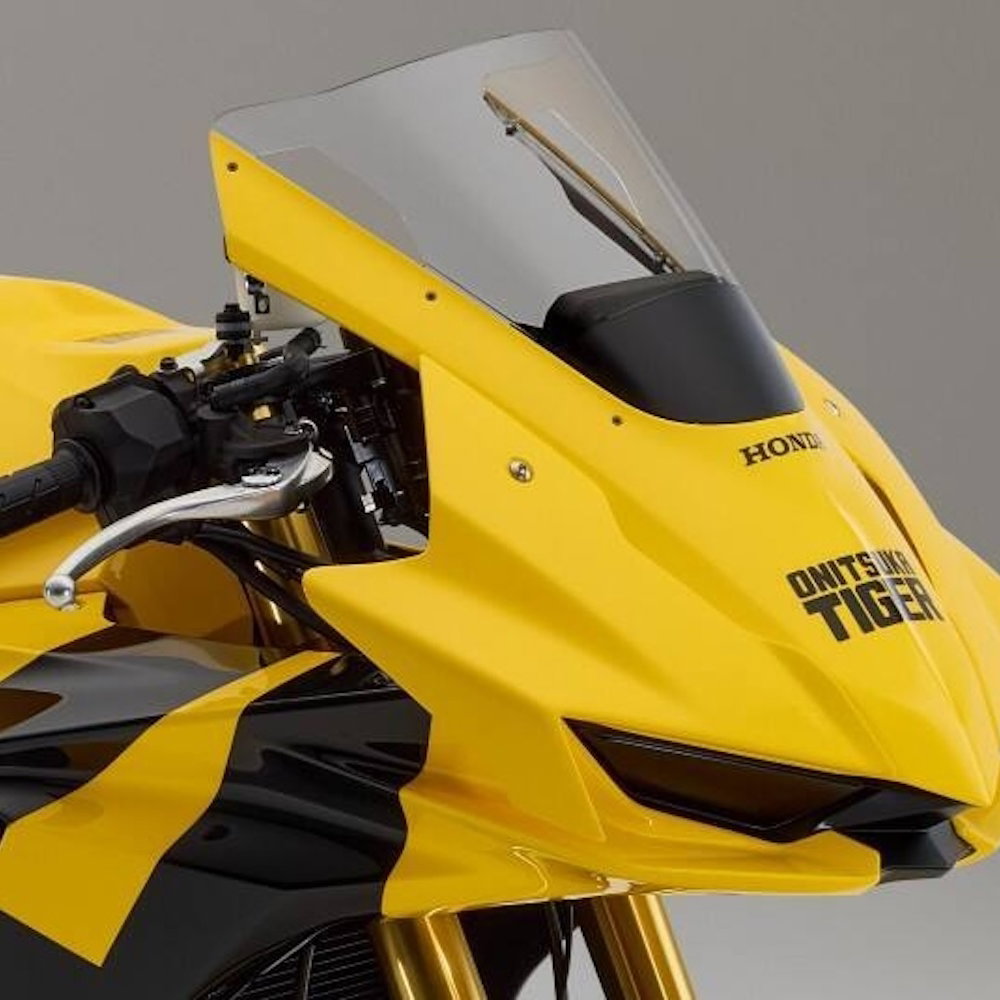
Although it’s still too early to know what every manufacturer’s final 850cc machines will look like, GPOne has shared pictures of Yamaha’s new bike wearing a revised version of the tri-plane design.
It is much smaller than the current systems used by every team, however, that will be the case for all five manufacturers due to the restrictions imposed on aero for next year.
Keeping with tradition, the revised tri-plane winglet seen above features the same three cuts as before, although the wings barely extend past the front bodywork.
The size of each bike’s front-fairing will be reduced from 600mm to 550mm, while the maximum rear aero height allowed will be set at 1150mm, instead of 1250mm currently.
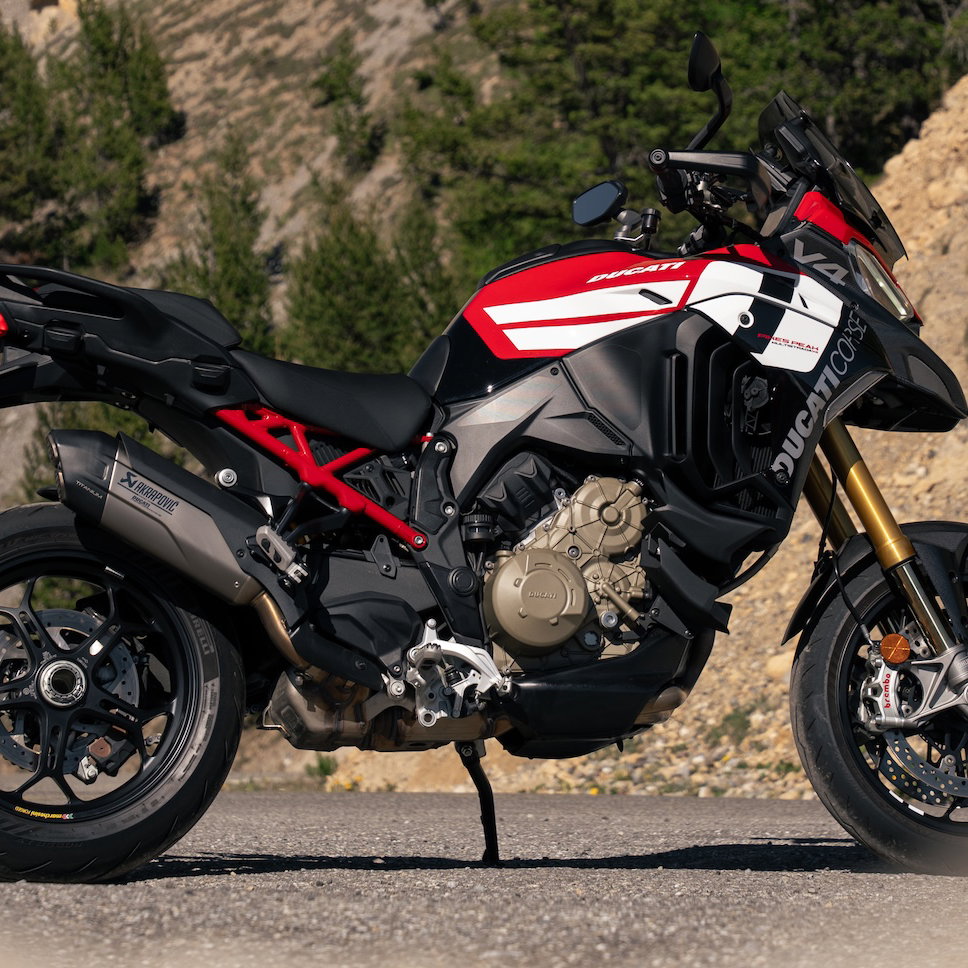
Ducati’s front-fairing design already seems to mirror the streamlined winglets used on its World Superbike-spec Panigale V4 R, although there is likely to be further revisions made before next season.
For Yamaha, it’s clear that the Japanese marque feels comfortable adopting a revised tri-plane design as it bids to regain the type of performance that once made it a regular race-winning bike.

The aero changes for 2027 are not just about size, with the new regulations also changing the ability for manufacturers to regularly update, or bring new parts to their machines.
From 2027-on, all rear aero must be homologated as part of the Aero Body, meaning manufacturers will only be able to update their rear aero package once during the season, depending on their concessions rank.
This could also lead to manufacturers needing to choose between developing more front or rear aero.
Find the latest motorcycle news on Visordown
%20(1)_0.jpg?height=270&format=webp)
After graduating with a sports journalism degree, Robert joined Crash.net to lead the WorldSBK coverage in 2021, while also providing MotoGP coverage. Fulfilling that role for over three years, Robert was able to put his knowledge about all things racing to the test.