Study finds European motorcycle industry generates £30 billion in GDP
An Oxford Economics study has found that the European motorcycle industry generates around £30 billion in GDP.

A newly published study has found that the European motorcycle industry generates almost £30 billion in GDP.
Motorcycling in Europe feels constantly under pressure to justify itself. In the UK, October saw year-to-year growth for the motorcycle industry of over 10 per cent in terms of registrations, yet MCIA CEO Tony Campbell said after the figures were published that the UK government still does not realise the true value and significance of the country’s motorcycle sector.’
In Europe, Antonio Perlot, the secretary general of the manufacturers’ association, ACEM, has conducted a study with Oxford Economics into the impact of the motorcycle industry on the European economy.
The findings of the study are stark: 481,600 jobs and €35 billion (£29 billion) in GDP, a popular measure of a country’s economic strength.

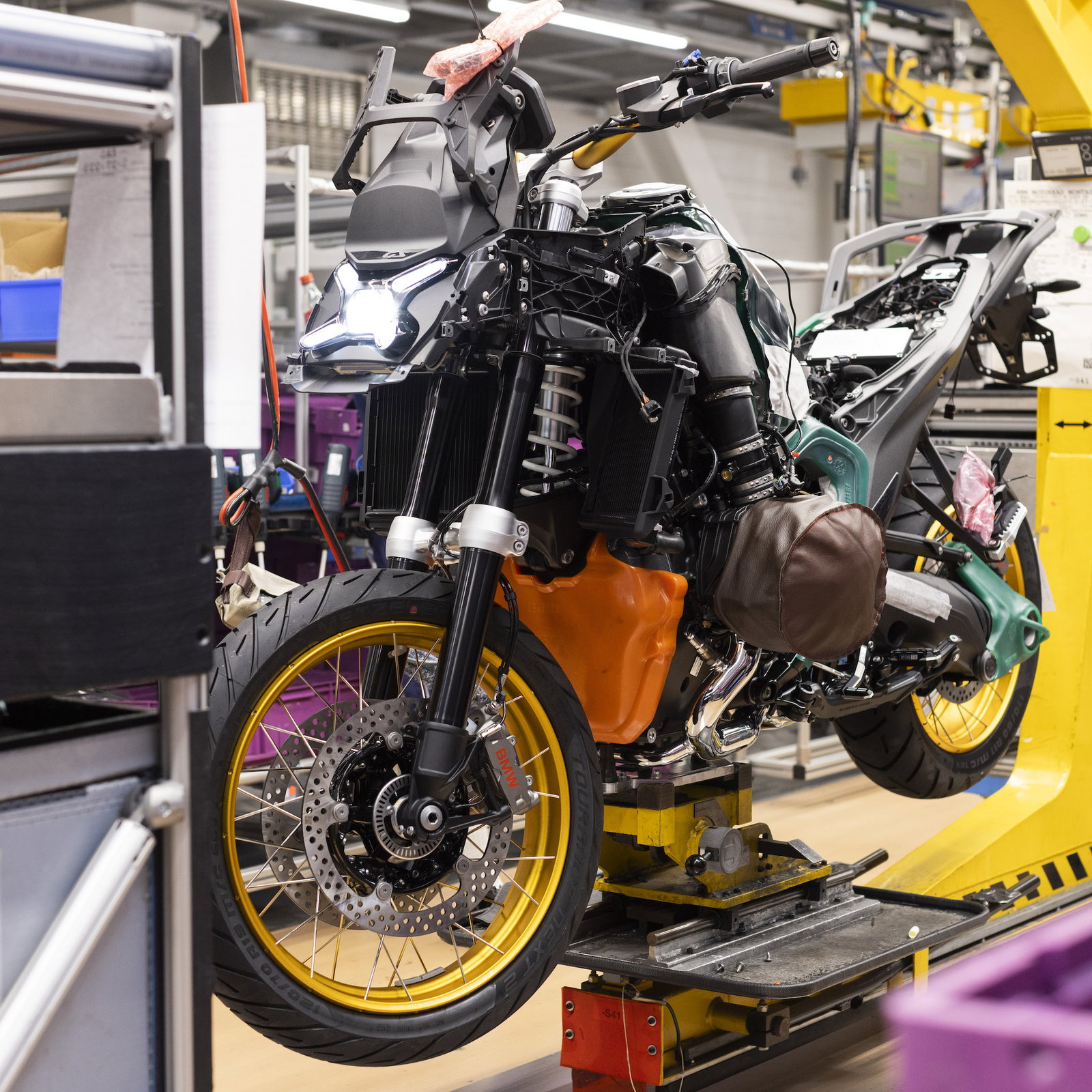
€26 billion of that overall GDP contribution comes from making, selling, and repairing motorcycles, while €5 billion comes from equipment like helmets and other riding gear, and €2.7 billion comes from racing and other events.
The study also found that the trade gap – the difference between imports and exports – for European motorcycling had doubled since 2019, from a €1 billion gap to €2 billion, in favour of imports. It’s therefore not only a study that shows the importance of the European motorcycle industry to the region itself, but also highlights the risks it faces at present and therefore the importance of political support for it.
The study was presented by ACEM at EICMA, where Perlot said it gives a “complete picture” of the value of motorcycling to Europe.
“This study gives us a complete picture of what motorcycling brings to Europe: €35 billion in value, almost half a million jobs and real benefits for the way people move in cities,” said Antonio Perlot, ACEM Secretary General.
“But these figures cannot be taken for granted. To stay competitive, European manufacturers need fair and reciprocal access to global markets, motorcycles fully integrated in urban mobility planning and, above all, conditions supporting manufacturers’ continued investment in Europe.”

Mariano Roman, President of Confindustria ANCMA, added: “These figures confirm the value of an industry that creates jobs, skills and innovation, and in which Italy is one of Europe’s leading players.
“EICMA is its global point of reference: the place where the motorcycle industry presents its future and engages with markets, the public and institutions. Bringing this debate here means linking the sector’s economic and social value to the choices needed to sustain it.
“Growth in registrations does not automatically translate into higher production and profitability: to keep investing and innovating in Europe, we need clear and proportionate rules, reciprocity in trade and full recognition of two-wheelers in mobility policies.”