Toad talks: Will soaring fuel prices push more people to switch to motorcycles?
More than half of motorists have changed their travel habits because of rising fuel costs, while diesel prices remain stubbornly high. Could two wheels offer a cheaper way to get around?

Motorists are changing the way they travel as the cost of running a car continues to put pressure on household budgets. From cutting unnecessary journeys to considering more fuel-efficient vehicles, new research suggests that rising fuel costs are beginning to influence the transport choices people make.
For the motorcycle industry, that raises an interesting question. Could the rising cost of filling up a car finally encourage more people to consider motorcycles and scooters as a practical, everyday alternative?
Research published by car rental comparison company DiscoverCars.com found that 51 per cent of its 1,110 international survey respondents had changed their driving or travel habits in response to fuel prices. Almost four in ten said they were avoiding unnecessary journeys, while 30 per cent reported spending less time behind the wheel.
The survey also found that 48 per cent would consider switching to a hybrid, electric or more fuel-efficient vehicle, while 12 per cent said they were already cycling more often. Walking was the most popular alternative for shorter journeys, selected by 18 per cent of respondents.

Although the research is based on an international sample, and a relatively small one at that, it points towards a wider shift in how people are thinking about everyday transport.
And it's a shift that motorcycles and scooters should be part of.
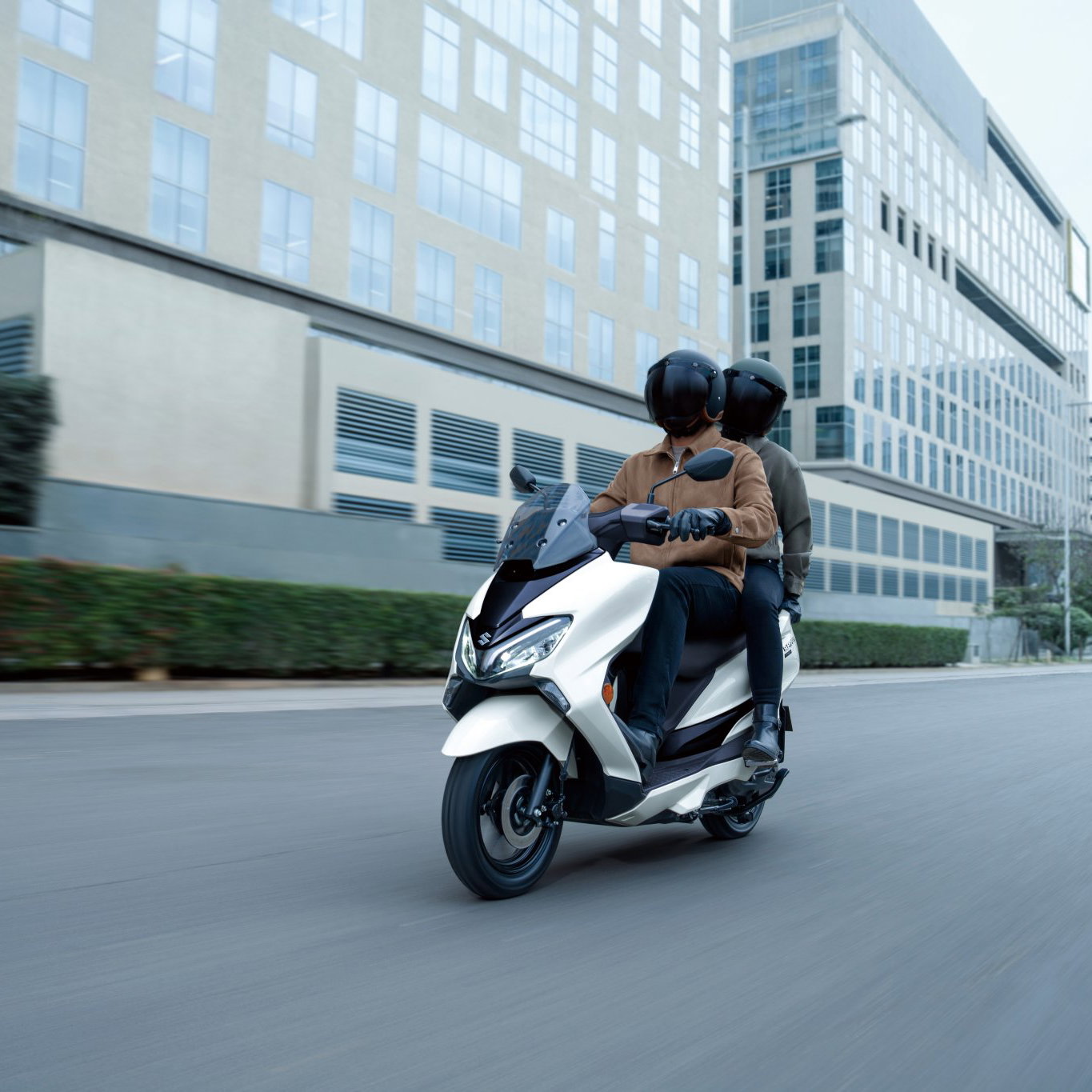
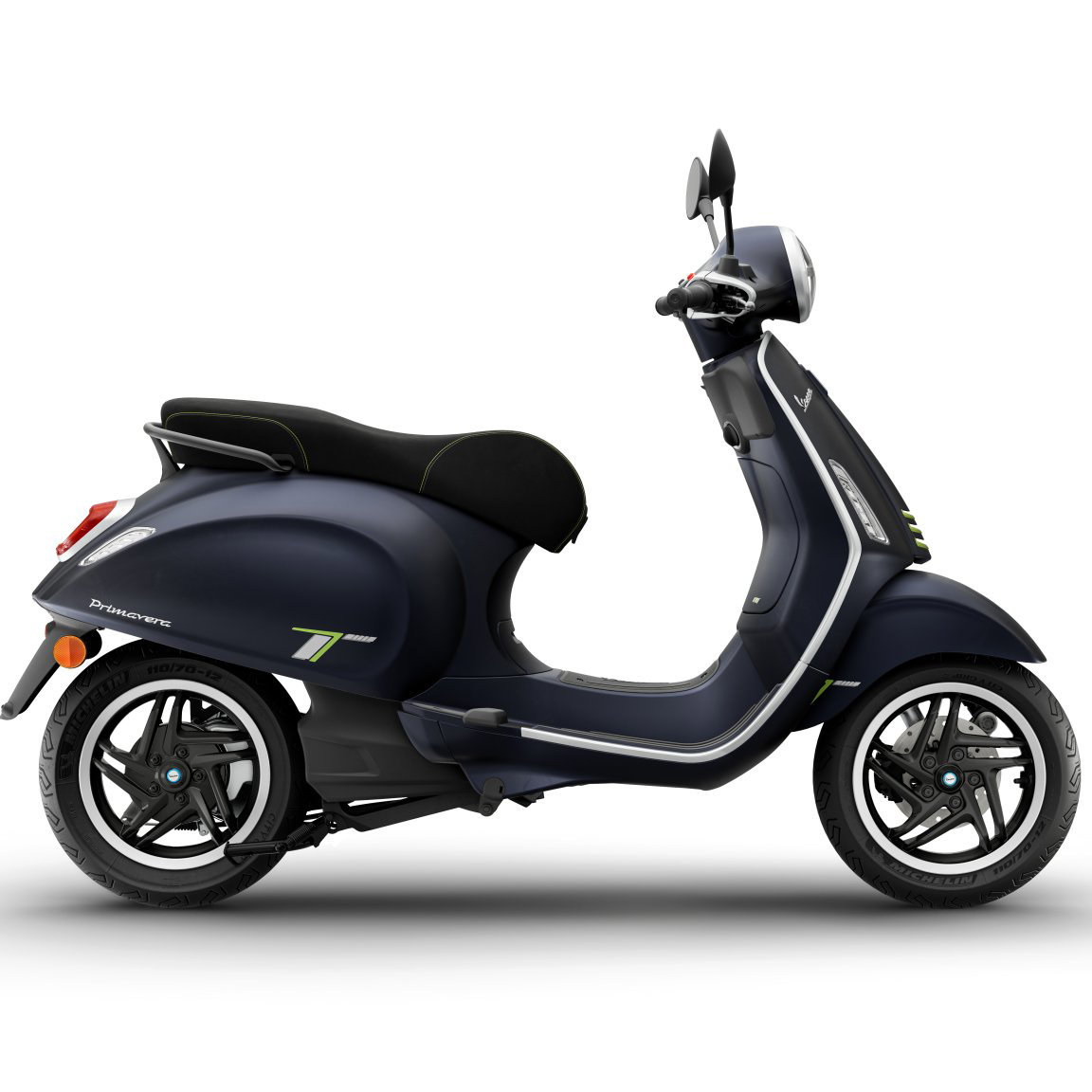
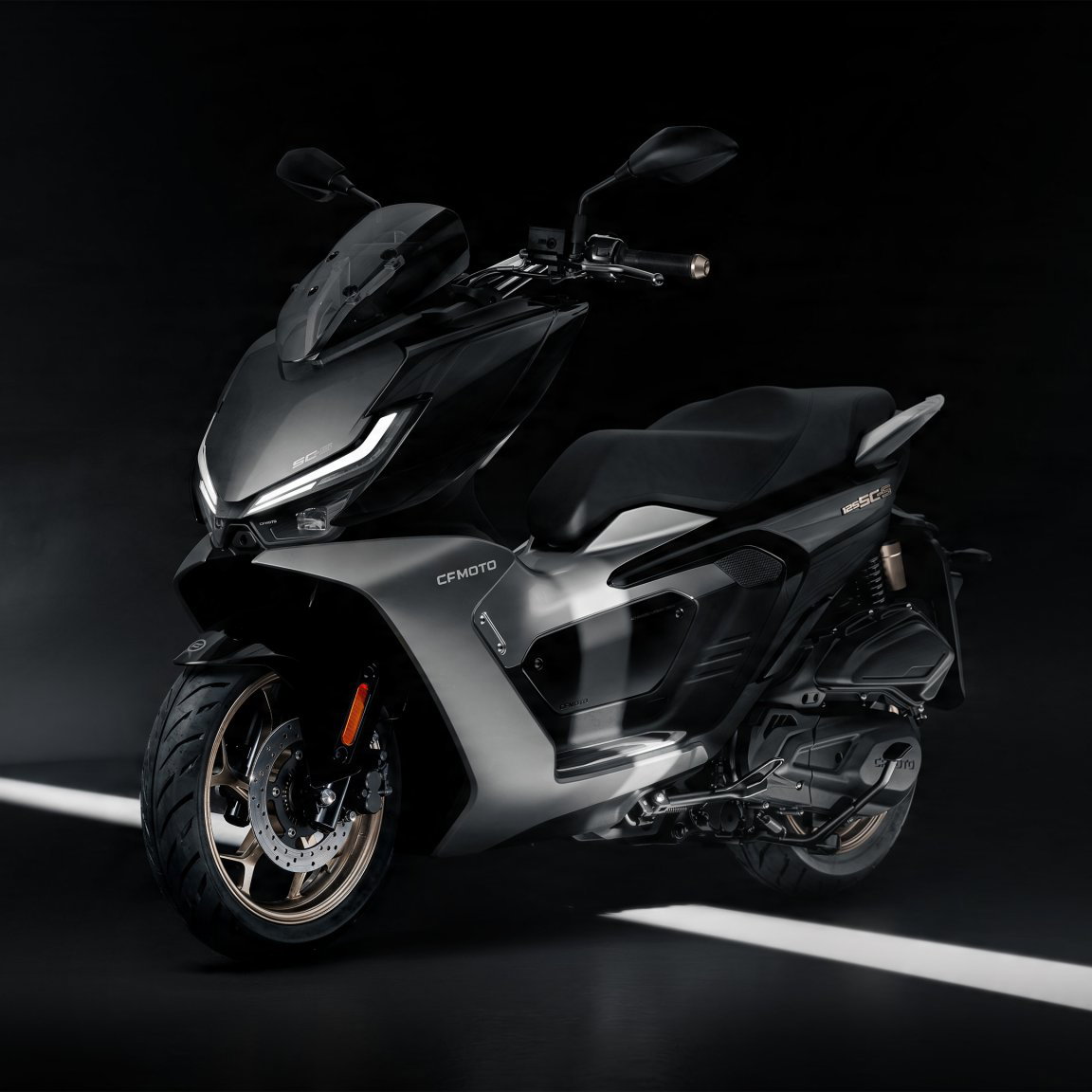
For commuters who regularly travel alone, particularly those making shorter urban journeys, a motorcycle or scooter can offer a considerably more economical way of getting around than a car. Smaller-capacity machines in the 50cc to 125cc category can use considerably less fuel than even relatively efficient passenger cars, while also offering a way to avoid some of the congestion associated with urban commuting.
Of course, the purchase price, insurance, protective equipment and ongoing maintenance all need to be factored into the equation. Motorcycles won't replace cars for every journey, nor will they suit every household. But for someone looking to reduce their daily commuting costs, or considering a second vehicle, two wheels deserve a place on the shortlist.
And the latest UK fuel price figures give motorists another reason to start looking at the numbers.

According to figures highlighted by campaign group FairFuelUK, Brent crude fell by 16.6 per cent between 27 October and 26 November, moving from $113.88 to around $95 per barrel. Over the same period, the average price of petrol fell by nine per cent, from 172.9p to 157.4p per litre.
Diesel, meanwhile, fell by just 4.5 per cent, dropping from 198.8p to 189.8p per litre. The difference between the two fuels has consequently widened, with diesel now carrying a 32.4p-per-litre premium over petrol, a 25.1 per cent increase in the gap.
At those prices, filling a 55-litre tank with diesel costs around £17.82 more than filling it with petrol, according to FairFuelUK's calculations.
The figures form part of the group's call for the Government to investigate why falling oil prices have not translated into a more substantial reduction in diesel costs. FairFuelUK founder Howard Cox has called on ministers to bring fuel retailers and suppliers together to examine wholesale prices and margins, arguing that the slow reduction in diesel prices is placing unnecessary pressure on motorists and businesses.
While diesel prices are understandably a bigger concern for car and van drivers, the wider issue is relevant to anyone who relies on a vehicle to get around. Fuel remains a significant part of the cost of everyday transport, and when those costs rise, people naturally start looking at alternatives.

This is where the motorcycle industry has an opportunity, but also where the Government should be paying a lot more attention than it has been.
If more people are reconsidering how they travel, then motorcycles and scooters should be recognised as part of the solution, rather than being treated as something of an afterthought in discussions about transport efficiency, congestion and affordability.
There is a perfectly reasonable argument for encouraging people to use smaller, more economical vehicles for journeys that don't require a car. A 125cc scooter or motorcycle isn't going to replace the family estate on the school run or a weekly supermarket trip, but it could make a significant difference to the cost of a daily solo commute.
The industry has long made the case for the benefits of powered two-wheelers, from reduced congestion and parking requirements to lower fuel consumption. With motorists increasingly looking at ways to make their money go further, now would seem a fairly sensible time to amplify that argument.
Find the latest motorcycle news on Visordown.

Simon (AKA Toad) has been working within the motorcycle industry for more than twelve years, and a member of the motorcyclist family since birth. Growing up around British-built single and twins, it was inevitable that a life on two wheels was on the cards, from a very early age!