Diogo Moreira thinks MotoGP's 850cc switch and Moto2's bigger engine could transform life for rookies
MotoGP is shrinking, Moto2 is growing. Diogo Moreira explains why the jump to the premier class could soon become less daunting for young riders.

MotoGP rookie Diogo Moreira believes the move to 850cc bikes will massively soften the jump from Moto2, just as Triumph's new engine makes the intermediate class faster.
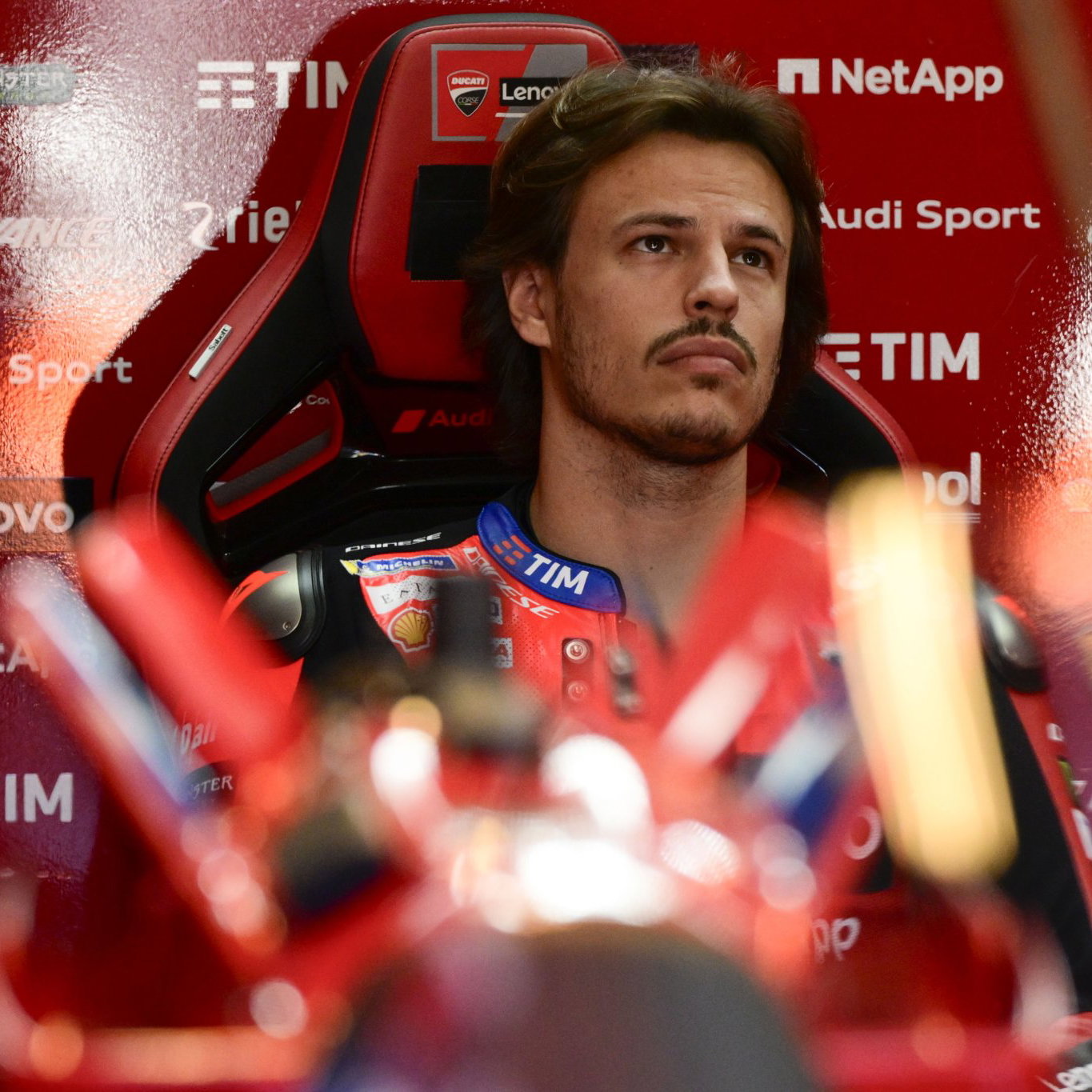
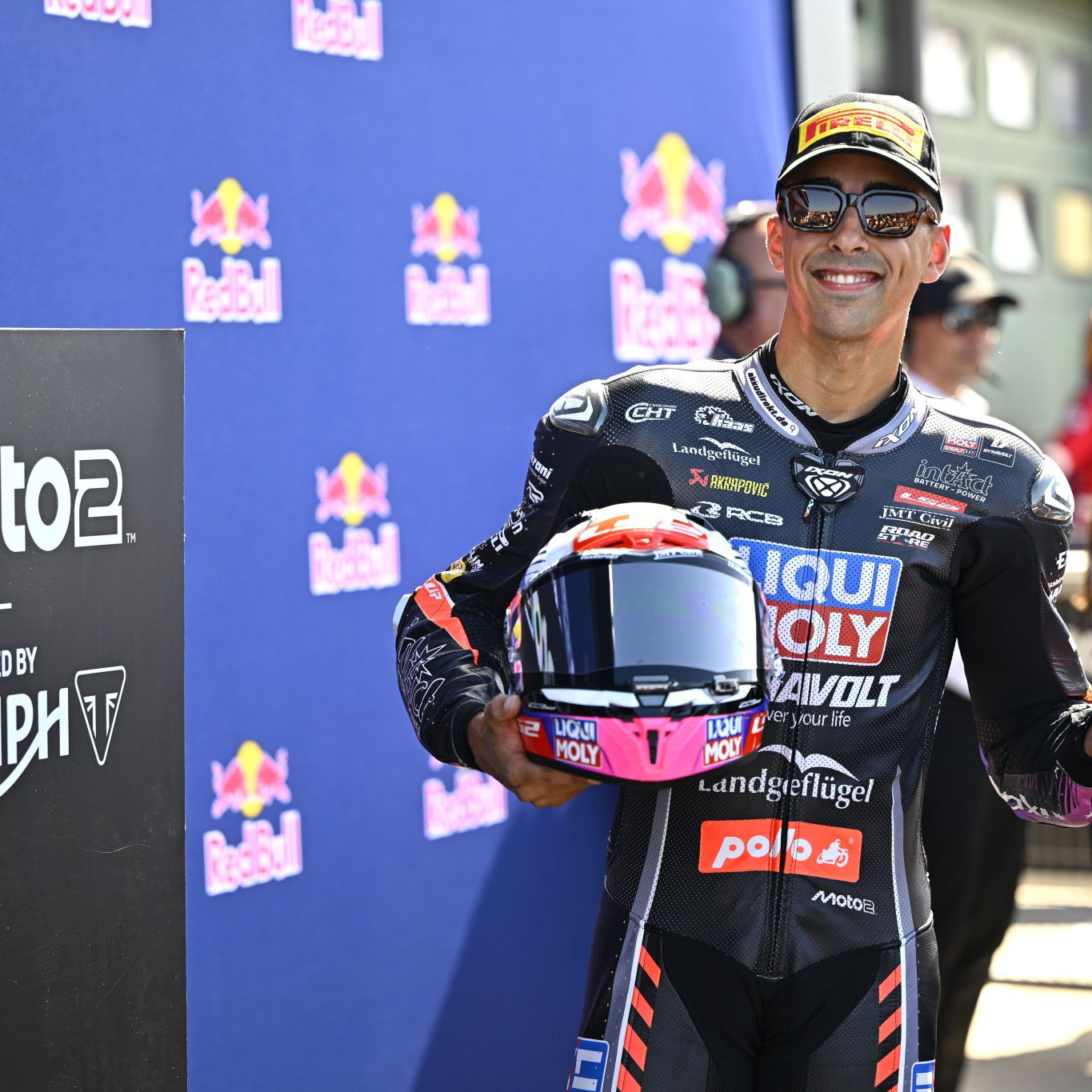
Much of the discussion surrounding the championship's switch from 1,000cc to 850cc machinery in 2027 has centred on top speed, safety and whether racing will become even closer. But speaking to Visordown ahead of this weekend's British Grand Prix, LCR Honda MotoGP rider Diogo Moreira highlighted another consequence of the rule change. From his perspective, it should make the notoriously daunting leap from Moto2 into the premier class a little less intimidating.

Moreira's experience is far from unique. For years, the jump from Moto2 to MotoGP has been regarded as the steepest learning curve in world championship motorcycle racing. Riders don't simply adapt to an extra 100 or 125bhp. They also have to master carbon brakes, sophisticated electronics, Michelin tyres and aerodynamic packages unlike anything they've raced with before. Some crack the code straight off, like Acosta and Marquez, but for many more it can take seasons on the back foot before things start to click. Recent history is littered with highly-rated Moto2 graduates whose MotoGP careers ended almost as soon as they began.
Reigning 2021 Moto2 champion Remy Gardner was dropped after a single season with Tech3 KTM, while teammate and rookie sensation Raúl Fernández only survived because of Aprilia's long-term faith in his talent after a difficult debut campaign, and look what he’s doing now! Darryn Binder's unconventional promotion from Moto3 lasted just one year, and Moto2 world champion Augusto Fernández found himself without a full-time race seat after only two seasons despite flashes of genuine pace. Even riders who eventually establish themselves can take years to unlock their potential. Fabio Di Giannantonio looked destined to lose his place before a breakthrough victory at Phillip Island in 2023 transformed his career. It’s tough, and Moreira is finding that out.

His comments are particularly timely because Moto2 is also changing in 2027. As Visordown recently learned from Triumph Chief Product Officer Steve Sargent, the British manufacturer's new Moto2 triple isn't simply about adding power. It is also designed to narrow the gap between the intermediate class and MotoGP, giving young riders a better stepping stone before they reach the pinnacle of Grand Prix racing.
Put the two changes together, and an interesting picture emerges, in that, for basically the first time in history, Moto2 is swelling with a larger-capacity, slightly more powerful engine, while MotoGP is taking a step back from the ferocious 1000cc era. The two championships will still be separated by a considerable margin, but they are at least moving towards one another, something that Moreira believes can only help.
"I'm happy to be in this new generation. I think it will be super interesting to see. It will also be difficult because we are on a 1,000cc now with a different bike, and we need to know this new bike in a short [amount of] time. In the end, it will be interesting to see.
"But anyway, I think we are happy to be in this new generation because, for me, I think it will be easier to ride this bike because it's more similar to a Moto2. It should be good."

It's an interesting perspective from someone who has experienced the jump first-hand just a short time ago. While MotoGP's new bikes will still produce substantially more power, they are expected to have a more manageable power delivery thanks to the reduction in engine capacity, while less aggressive aerodynamics and revised ride-height device regulations should also make the bikes less extreme and finicky to ride.
Meanwhile, Moto2's move from Triumph's 765cc engine to an all-new and as yet unknown triple will give the intermediate class more performance, more torque and characteristics that better prepare riders for MotoGP, and that wasn’t always the case.
“Yeah, a big one,” Diogo said when asked about the jump from Moto2 to MotoGP. “I remember when I touched the bike for the first time and when I did the first lap I said, 'F***, this is a real bike.’ … “It was also strange to understand this bike and this engine because, at the end, there is a lot of power from the engine. It's difficult to understand.
"But I remember it was super nice to ride the bike, and right now we are trying to enjoy it and try to be more at the front. So let's see."
That quote neatly sums up the challenge facing every Moto2 graduate. Riders spend years mastering motorcycles producing around 140bhp before suddenly climbing aboard prototypes capable of well over 250bhp, fitted with sophisticated electronics, carbon brakes and levels of aerodynamic downforce that simply don't exist anywhere else in motorcycle racing. That’s a lot to take in, and Dorna (AKA MotoGP Sport Enterprises Group) knows it. But they also don’t want to alienate fans, quite the opposite.

For a new viewer to the sport, having top-class 850cc MotoGP bikes, and then an immediate class featuring near-800cc bikes might be a bit weird, especially as the disparity in performance will still be quite vast. Will people new to the sport, and perhaps new to motorcycles, not be scratching their heads, asking exactly what the difference really is? Is it the rider, the class, or the machine?
The 2027 regulations won't remove that culture shock. An 850cc MotoGP bike will still be one of the fastest racing motorcycles ever built. But if Triumph's larger engine succeeds in making Moto2 more representative of the premier class, while MotoGP's new regulations shave away some of the brutality of today's 1,000cc machines, the rungs on the ladder to the top might suddenly look a little closer together.
Find the latest motorcycle news on Visordown

Simon (AKA Toad) has been working within the motorcycle industry for more than twelve years, and a member of the motorcyclist family since birth. Growing up around British-built single and twins, it was inevitable that a life on two wheels was on the cards, from a very early age!