What does the Harley-Davidson “Back to Bricks” business strategy really mean
Harley says its future lies with dealers, cruisers and brand loyalty, but questions remain over younger riders and the future of LiveWire.

Harley-Davidson’s new CEO, Artie Starrs, has finally revealed his and his teams plan to bring the American bike maker back to its best, as his “Back to Bricks” business strategy is born.
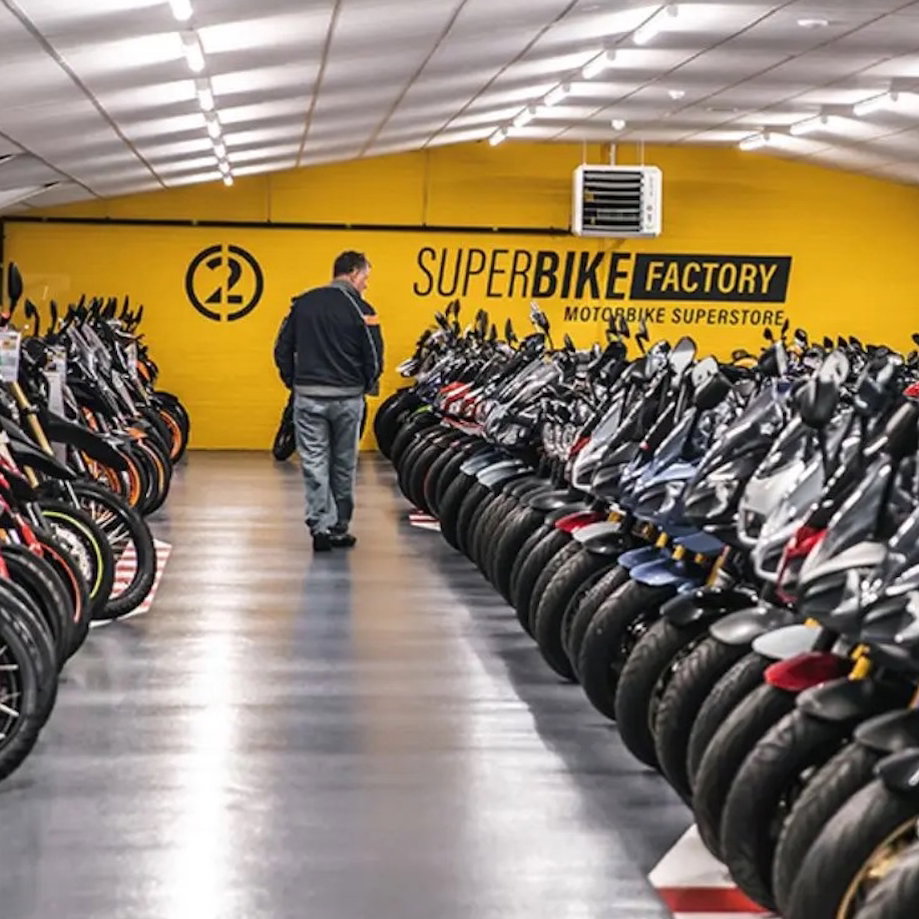
And no, before you ask that doesn’t mean the Motor Co. is set to make the switch from building bikes to building, er, buildings. The ‘Bricks’ the strategy is referring to are the Harley-Davidson dealer network.
Starrs and his team pored over the data, and for them, Harley’s biggest strengths are still its famous name, its loyal customers, and its dealer network. They want to give dealers the chance to double their profitability in 2026 (which we are already nearly halfway through), and then do the same thing again by 2029.
.jpg?width=1920&format=webp)
And while most Harley dealers will be rubbing their hands together with glee, they will also probably be thinking about how the hell Harley is planning on doing that. Sadly, there is no road map, not plan, and no defined method of getting from where they are, to where they want to go.
The plan does divulge the five pillars the strategy is built upon. They are the usual kind of thing we have heard from H-D CEOs in years gone by, and from my sofa at least, it all sounds eerily familiar.
What isn’t clear is how Harley plans to appeal to its core audience, while still attracting in new blood into the world of two wheels. Sure, it has the Hero-built 440s, but they are only on sale in certain Asian markets, and with the Nightster, which was heralded as the brand’s modern-day Sportster (read ‘entry-level bike’), not really moving the needle, there still isn’t much to get young riders excited about.

And then we get on to the elephant in the room; LiveWire. The electric bike brand has been haemorrhaging money pretty much since its inception, and despite building some of the best electric bikes on the planet, big price cuts and slick social media, they still can’t shift the number of units needed to break even, let alone turn a profit. Surely the key to unlocking a lot of capital is to cut LiveWire loose and let the electric dream go once and for all?

The really interesting bit, though, is Harley’s claim that it can claw back market share in areas where it believes it still has “the right to win”. Those areas are listed as new bikes, used bikes, parts and accessories, and apparel and licensing. In plain English, Harley wants to get back to doing what Harley has always done best – selling big cruisers, flogging branded clothing and making sure owners spend a small fortune customising their bikes once they’ve bought them.
Again, though, that sounds less like a revolution and more like Harley rediscovering the same playbook it has leaned on for decades. There’s nothing wrong with that in theory, because Harley’s accessories and clothing business is hugely profitable. Still, it also feels a bit like the company is retreating to safer ground rather than genuinely reinventing itself for a changing motorcycle market.

The financial targets themselves are ambitious too. Harley is aiming for more than $350 million in EBITDA by 2027, alongside mid-single-digit growth in bike sales, parts sales and apparel revenue. The company also wants operational costs to sit below 20 per cent of sales, while boosting margins across the board. In other words, Harley wants to sell more bikes, spend less money and make more profit doing it. Which, to be fair, is probably every manufacturer’s business plan written in slightly fancier corporate language.
There’s also talk of a strengthened management team, blending “fresh perspectives” with existing Harley-Davidson know-how. That will likely be seen as a nod towards Starrs trying to steady the ship after what has been a pretty turbulent few years for the Motor Co., with falling sales, an ageing customer base and ongoing uncertainty surrounding LiveWire all hanging over the brand.
And maybe that’s the key takeaway from all of this. “Back to the Bricks” doesn’t feel like Harley-Davidson ripping everything up and starting again. It feels more like a company trying to get back to basics and rediscover what made it successful in the first place. Whether that’s enough in 2026, when younger riders are buying nakeds, adventure bikes and cheap commuter machines instead of heavyweight cruisers, is another question entirely.
Find the latest motorcycle news on Visordown.com

Simon (AKA Toad) has been working within the motorcycle industry for more than twelve years, and a member of the motorcyclist family since birth. Growing up around British-built single and twins, it was inevitable that a life on two wheels was on the cards, from a very early age!