BSB reveals new BoP performance control measure that could hurt Ducati
The British Superbike Championship is set to introduce its most significant technical rule change in over a decade, and it could have big implications for one manufacturer.

BSB has confirmed a major technical reset for 2027, through the introduction of Balance of Performance (BoP), traction control, a 200bhp target, and more.
The ‘Next Generation’ technical platform intends to deliver closer competition between manufacturers, while simultaneously reducing costs.
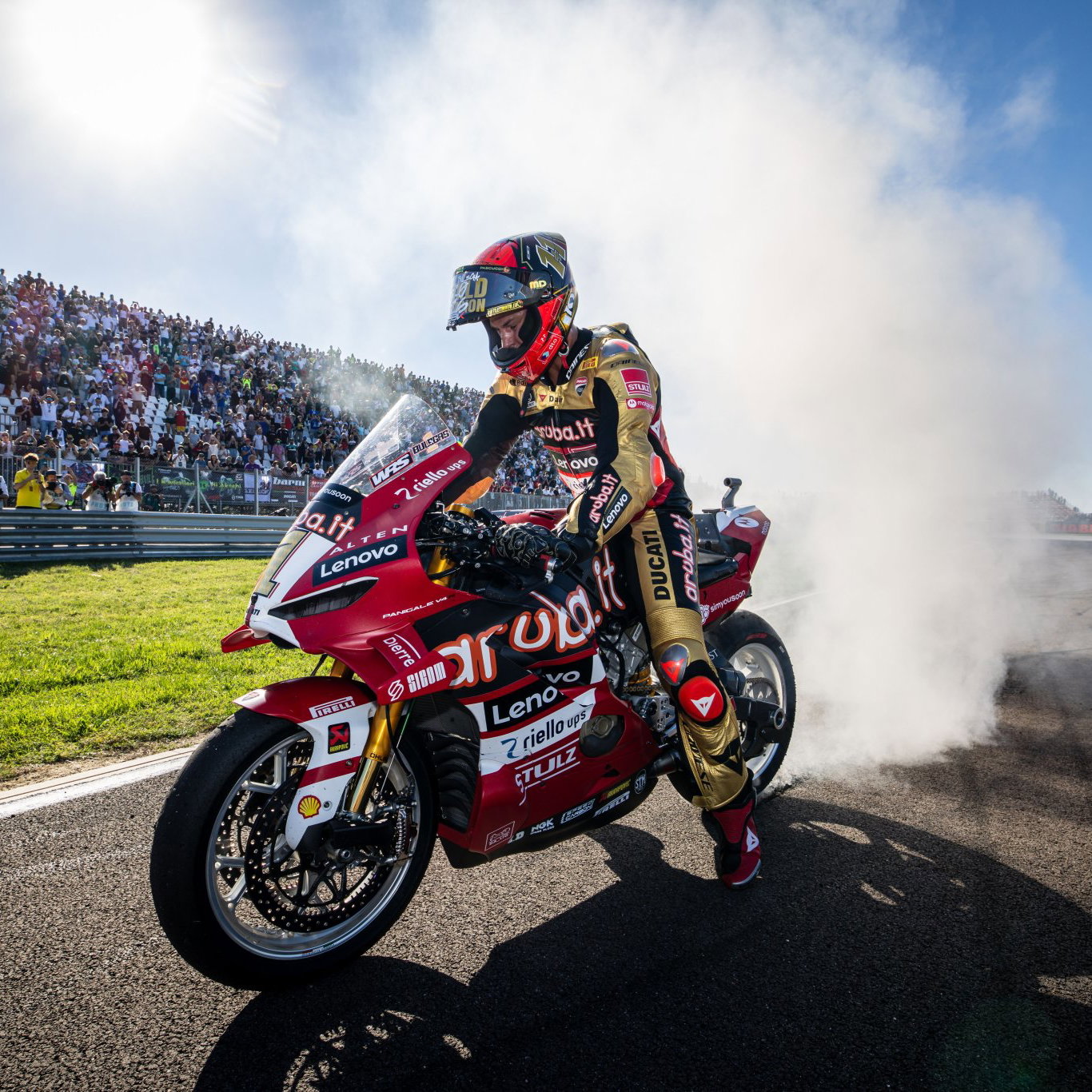
Basically, what BSB is trying to say is that it wants a championship regularly producing different winners, rather than one brand consistently dominating, which in 2026, has been Ducati.
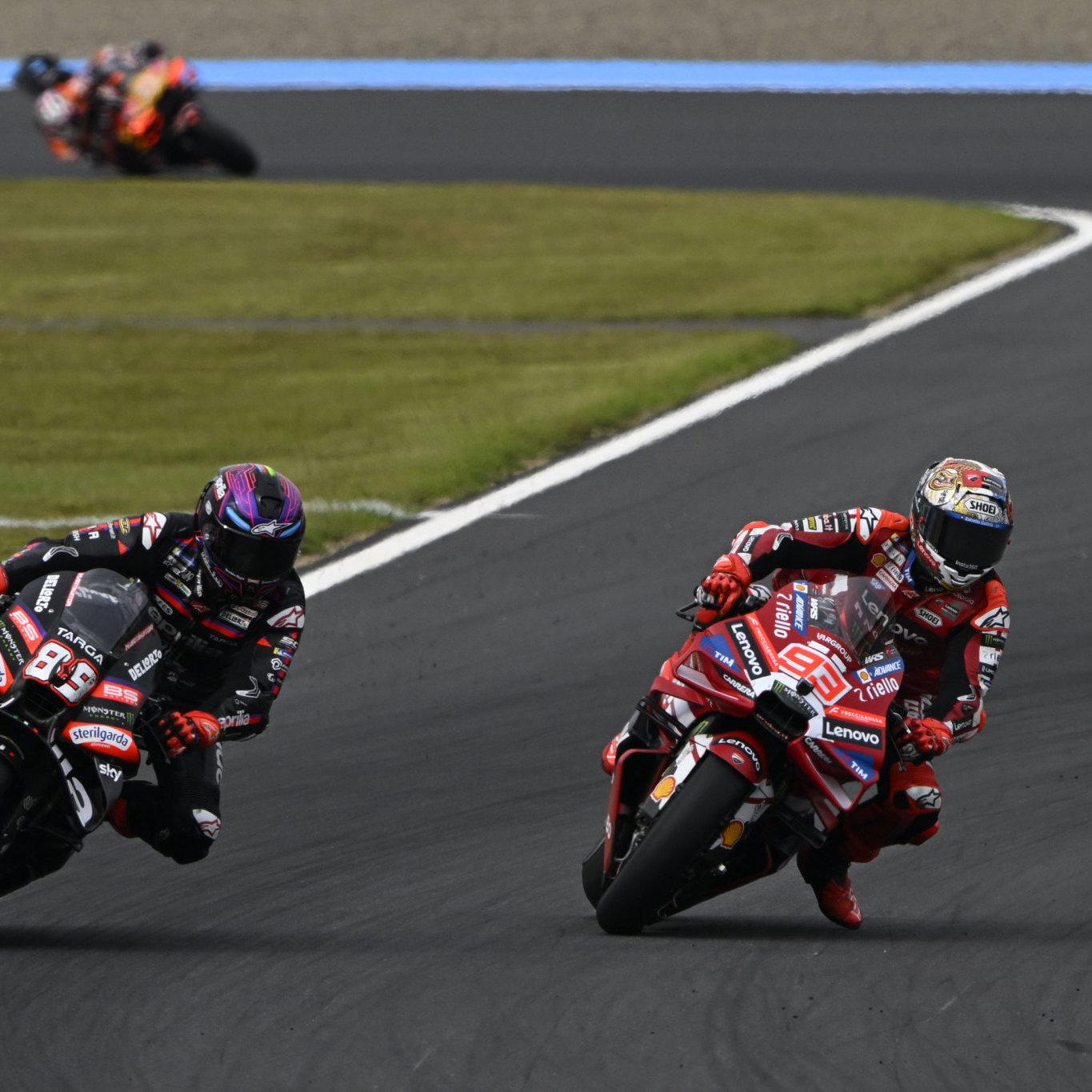
Straight off the production line, Ducati’s Panigale V4 R, which has won 23 out of 31 races so far in 2026, costs over £15,000 more than the Honda CBR1000RR-R Fireblade SP, and more than double the price of a Yamaha R1 race edition.

This is important to know because not all manufacturers have the same approach when it comes to 1,000cc superbikes.
For example, Ducati relies heavily on its Panigale platform as one of its premier motorcycles, both on the road, and in racing.
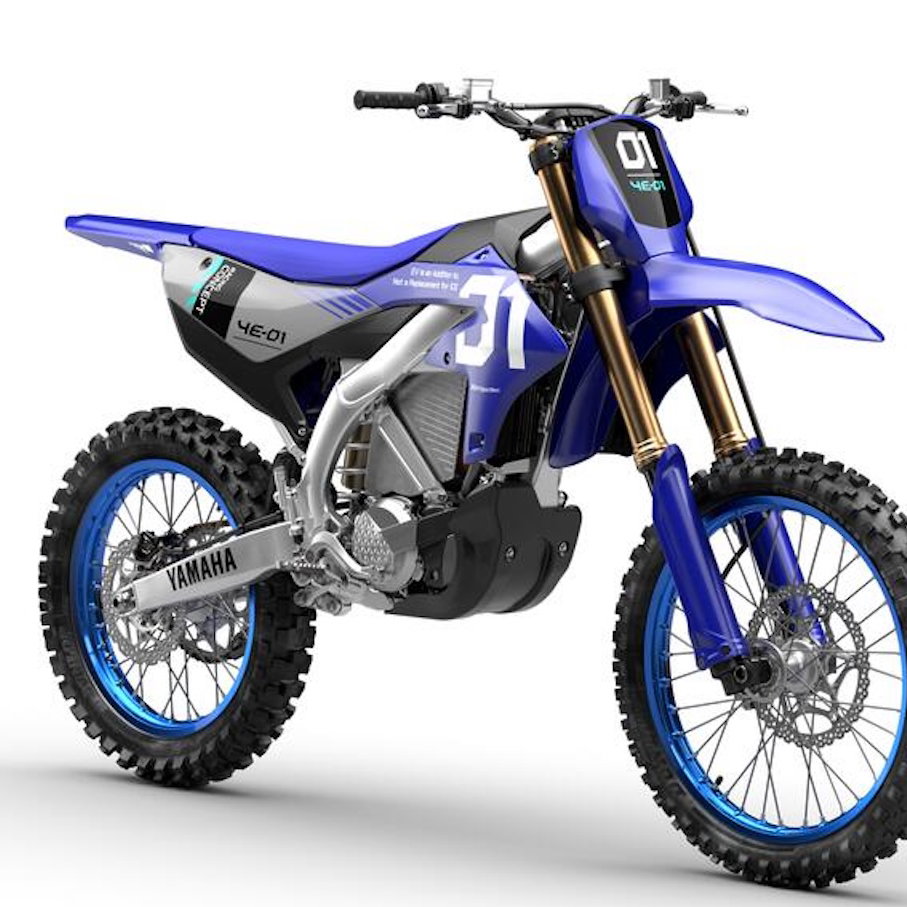
On the other hand, Yamaha, which still races the R1 in BSB and WorldSBK, no longer produces the model outside of the current R1 Race motorcycle.
As part of a press release detailing the changes involved with the new technical ‘reset’ for 2027, BSB references the difference in generations between some of the bikes, saying:
“With fewer new 1,000cc sports bikes being produced and increasing performance differences between different generations and architectures of machinery, BSB will adopt a sophisticated Balance of Performance (BoP) approach, building on the principles already utilised in the Supersport Next Generation and Sportbike categories.”

BSB also described the changes as the ‘most significant evolution of the BSB class in more than a decade’.
At the heart of the new technical platform will be a Mectronik torque-based electronic management system, replacing the existing control ECU.
All eligible motorcycles will be calibrated to operate within defined BSB performance parameters.
The objective behind this is to achieve similar performance across the different motorcycle brands and models.

BSB says “the initial target will see machines producing around the 200bhp level, and performance managed through torque distribution across the rev range. Once racing begins, track data will enable the system to evolve from an initial balance of power towards a comprehensive balance of overall performance.”
The regulations will also factor in motorcycles used from different generations. For example, newer models will remain much closer to their standard specification, while older superbikes will be allowed to use specific components ‘where necessary’, in order to make them more competitive within the required performance window.
While aiming to make racing closer, BSB will also introduce a series of rider aids including traction control, anti-wheelie and launch control.
BSB Series Director Stuart Higgs said:
“The changes represent a major reset for the championship, using proven technical principles to rebuild the depth of competition across manufacturers, teams and riders.
“Not for the first time BSB will take the necessary steps to develop and introduce new sporting and technical solutions.”
Find the latest motorcycle news on Visordown
%20(1)_0.jpg?height=270&format=webp)
After graduating with a sports journalism degree, Robert joined Crash.net to lead the WorldSBK coverage in 2021, while also providing MotoGP coverage. Fulfilling that role for over three years, Robert was able to put his knowledge about all things racing to the test.