Yamaha R1: The Superbike Icon Over the Years
The R1 is a big name in the superbike realm - here's how it's evolved from its beginnings a quarter of a century ago until today

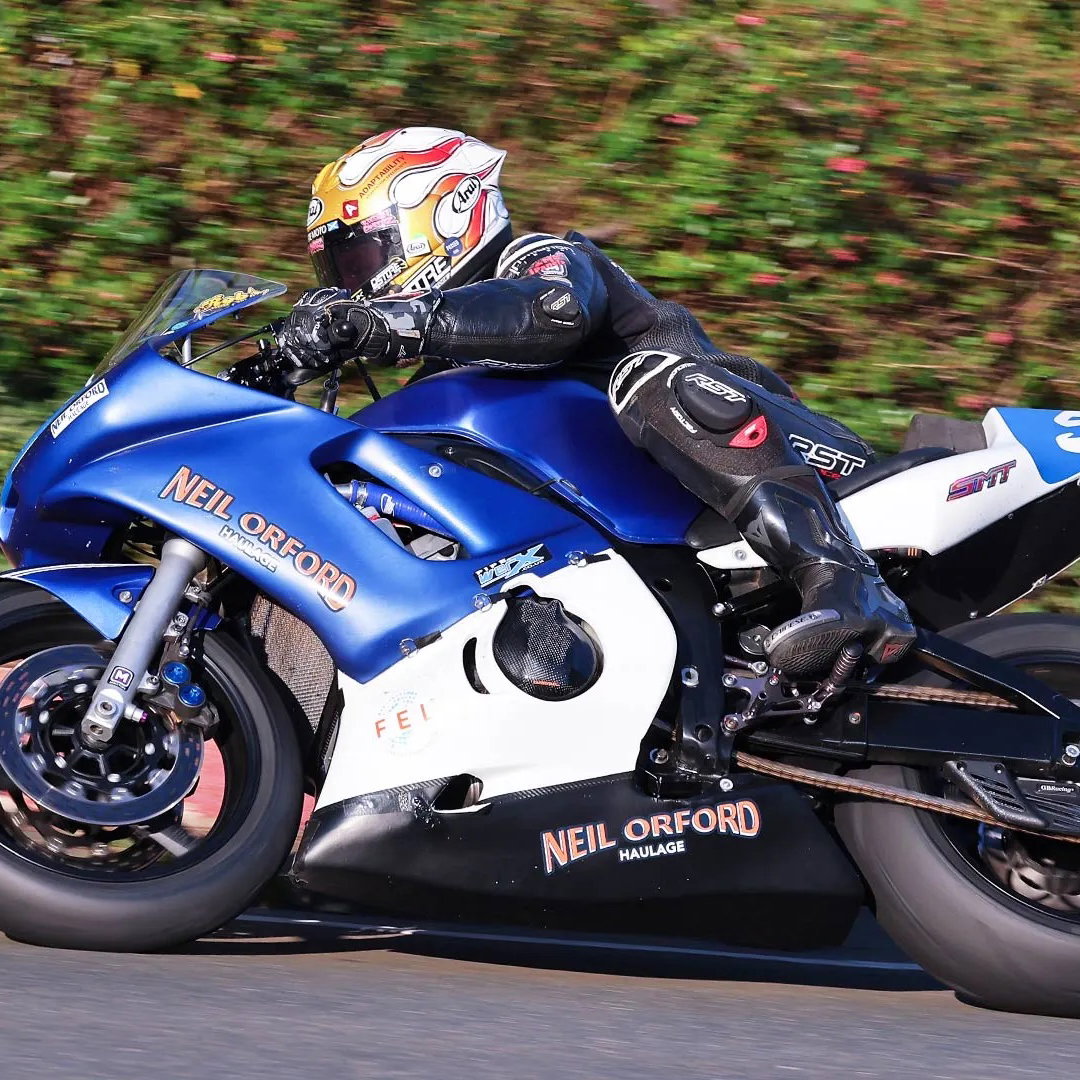
The Yamaha R1, officially the Yamaha YZF-R1, is one of the best known and most successful of all Japanese superbikes.
It was revolutionary when it was first launched in 1998 because of its light weight and huge power, managing to steal the mantle of the Honda FireBlade before being successively reinvented into the noughties and 2010s.
Since 2009, the R1’s four-cylinder engine has used a unique ‘Crossplane’ layout that delivers exceptional drive and a distinctive exhaust note, and from 2015 the R1 has been moulded heavily on Yamaha’s M1 MotoGP racer, with a homologation ‘race spec’ Yamaha R1M variant delivering repeated racing success.
As revealed in February 2024, however, the Yamaha R1 is set to be discontinued due to a mix of changing emissions rules and its manufacturer prioritising other kinds of motorcycles.
History of Yamaha R1
- Yamaha R1 2015
- Yamaha R1 2009-14
- Yamaha R1 2007-08
- Yamaha R1 and R1 SP 2006
- Yamaha R1 2004-05
- Yamaha R1 2002-03
- Yamaha R1 1998-2001
- Next Yamaha R1
| Year | Power | Torque | Dry weight |
| 1998-2001 | 150bhp @ 10,000rpm | 80lb ft @ 8500rpm | 177kg |
| 2002-03 | 152bhp @ 10,500rpm | 77lb ft @ 8500rpm | 175kg |
| 2004-05 | 171bhp @ 12,500rpm | 79lb ft @ 10,500rpm | 172kg |
| 2006 | 174bhp @ 12,500rpm | 79lb ft @ 10,500rpm | 174kg |
| 2006 SP | 174bhp @ 12,500rpm | 79lb ft @ 10,500rpm | 170kg |
| 2007-08 | 180bhp @ 12,500rpm | 83lb ft @ 10,000rpm | 177kg |
| 2009-2014 | 182bhp @ 12,500rpm | 85lb ft @ 10,000rpm | 177kg |
| 2015-date | 197bhp @ 13,500rpm | 83lb ft @ 11,500rpm | 203kg (wet) |
| 2015-date M | 197bhp @ 13,500rpm | 83lb ft @ 11,500rpm | 204kg (wet) |

Yamaha R1 2015
The current YZF-R1 was all-new in 2015 and marked a significant change of direction, taking inspiration from Yamaha’s MotoGP M1 racer to become a smaller, lighter, more track-focussed machine.
As such, it also featured for the first time a far more advanced electronics package including traction control, anti-wheelie and launch control, along with power modes.
A ‘sister model’, the racing homologation special 2015 R1M was also introduced, with semi-active Ohlins suspension, carbon fibre bodywork, aluminium fuel tank and more.
Updates since 2015 have included minor electronics upgrades in 2018 and subtle engine mods with the 2020 Yamaha R1 to meet Euro5, along with revised suspension and brakes and a slight styling tweak, in a similar vein to the R1M version.
Yamaha has confirmed that the R1 and R1M won't be updated for incoming Euro5+ emissions regulations,

Yamaha R1 2009-2014
The 2009 Yamaha R1 is also known as the ‘Big Bang R1’. A new engine used Yamaha’s MotoGP technology to create an uneven firing order, which resulted in immense, V-twin style mid-range drive and a unique exhaust note.
There was an electronic steering damper, a magnesium subframe and rear shock absorber linkage, and it was also the first R1 with selectable riding modes.
The 2012 Yamaha YZF-R1 upgraded the package by adding traction control and a revised fairing nose unit.

Yamaha R1 2007-2008
The model that, slightly oddly, fits between the early five-valve bikes and the later ‘Crossplane crank’ ones. The 2007 Yamaha R1 had an all-new, four-valve engine, new MotoGP-inspired styling and was the first with a ‘ride-by-wire’ throttle.
It also had novel ‘chip-controlled intake snorkels’ (YCC-I), which could be adjusted in length depending on revs allowing for better torque distribution, a slipper clutch and massive six-piston brake callipers in place of the old four.

Yamaha R1 and R1 SP 2006
In truth, the 2006 Yamaha R1 wasn’t much different from the preceding 2004/2005 model, with only a new swing arm, which was 20mm longer for added stability worth mentioning.
What is significant, however, was that year’s addition of a limited edition (SP) version to mark the company’s 50th anniversary, which came in original Yamaha Racing yellow (made famous by Kenny Roberts) and of which just 1000 were produced. It also featured custom Ohlins suspension front and rear, forged Marchesini wheels, slipper clutch and an integrated lap timer.

Yamaha R1 2004-2005
Major changes to the Yamaha R1 for 2004 included another new ‘Delta box V’ frame and fresh bodywork which for the first time houses twin underseat exhausts. The ‘Ram-air’ assisted engine was redesigned with new crankcases and a sleeveless cylinder block, which combined with other modifications made it the most powerful R1 to date.
The clutch swapped old-school diaphragm springs for coil springs, a steering damper helped reduce head wobbles and the brakes were of the new radial-mounted type.

Yamaha R1 2002-2003
The first major revision to the R1 formula, the 2002 Yamaha R1 saw sharper bodywork, a new hydroformed ‘Delta Box III’ frame, which helped to increase rigidity by 30%, a new fuelling system and new cylinder sleeves, the rear tail-light was swapped out for a LED unit and the large rectangular indicators were replaced with blade style blinkers.

Yamaha R1 1998-2001
The first Yamaha R1 was a revelation, completely raising the bar for superbike performance in a similar way to the Honda CBR900RR Fireblade six years earlier. Its engine featured a pioneering ‘stacked gearbox’, which allowed the motor to be more compact, aiding the R1’s handling and helping to lower the bike's centre of gravity. And with 150bhp it was more powerful and explosive, too.
The 1999 model received a new colour scheme and other minor modifications; the 2000 had revised engine internals and a slightly sharper and more slippery front fairing and revised tank and seat but it’s the original versions that are true collectors’ machines today.
Next-generation Yamaha R1?
With the R1 now in its fourth decade as Yamaha’s flagship sports bike and also one of the top machines in World Superbikes, winning the crown as recently as 2021, we hoped the model would continue for years to come with continual updates.
Sadly, shifting priorities for Yamaha amidst a slow superbike market and incoming emissions rule changes mean it’s not to be. In a statement released in early 2024, the manufacturer said it has “taken the decision not to develop an EU5+ version of the R1 or R1M instead focussing on other mid-term business and product strategies that will provide future opportunities.”
While this rules the R1 out as a road bike in Europe from 2025, the model may continue as a race bike only, in a similar fashion to the R6. In the meantime, Yamaha’s flagship fared sports bike may become the long-rumoured YZF-R9.

A vastly-experienced motorcycle journalist and bike tester, Phil West is also an ex-Executive Editor of MCN, former Editor of Bike and What Bike?, author of numerous motorcycle books and has ridden virtually every bike of the last 30 years.