Classic Test: Suzuki RG500 v Yamaha RD500LC
It’s 1985 and the biking public are crying out for replicas of the Grand Prix bikes that are thrilling them on TV. So Yamaha and Suzuki call their bluff


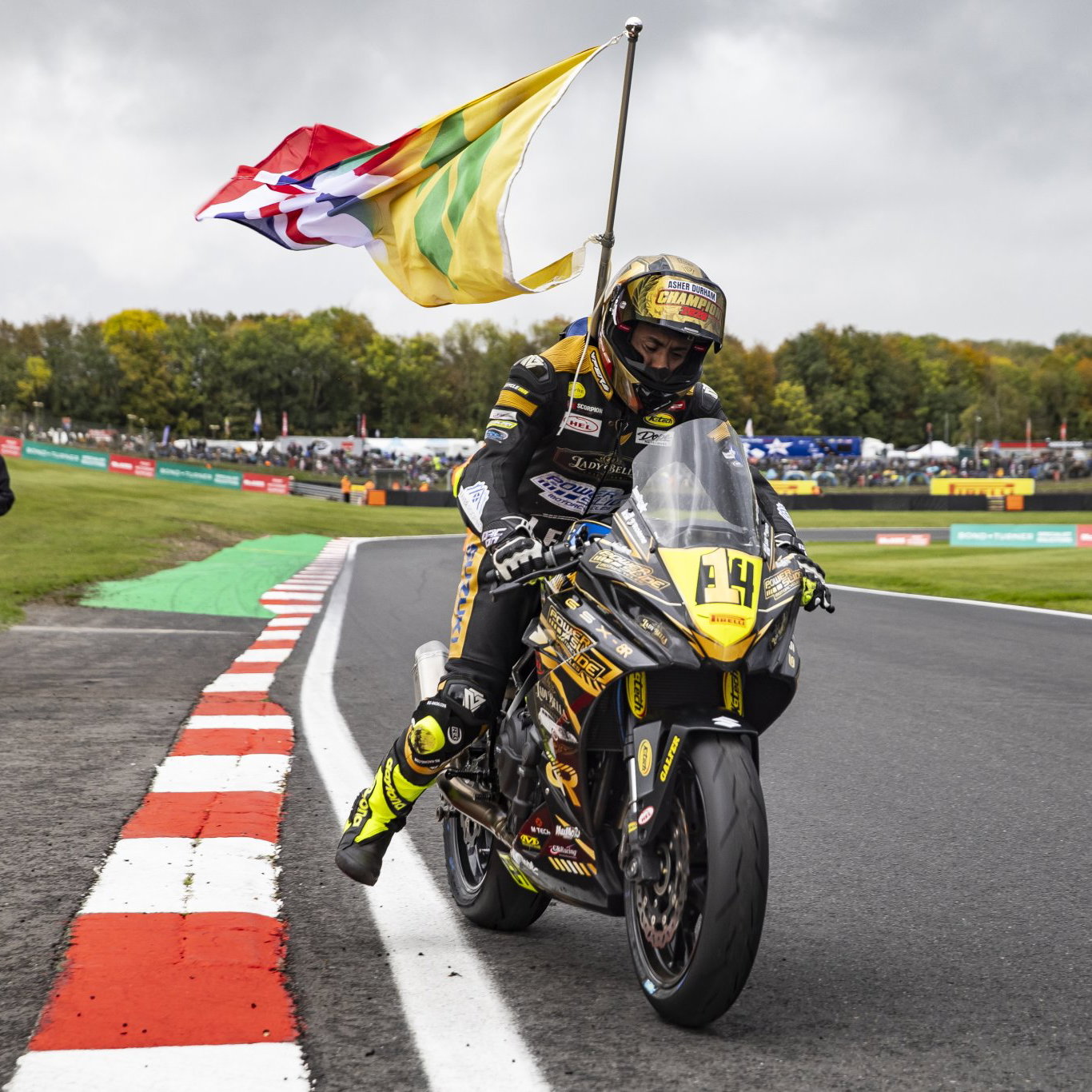
It’s 1985 and the Sinclair C5 can be bought for £399. The Brixton riots are in full swing, Live Aid raises £50 for African charities and the boxy little Nintendo Entertainment System is launched. In bike racing, Grand Prix is seriously cool. The ongoing arms escalation between factories has seen to it that faster and wilder 500cc two-strokes are making heroes or victims of their riders. Racers like Kenny Roberts and Eddie Lawson swan through the paddock exuding a ‘don’t mess’ attitude that every red-blooded male wants to emulate. The bikes are outrageous, the riders are legends. Christ, who doesn’t want to be part of the action? And now you can be. You can even choose your side.
Last year Yamaha launched the world’s first true GP replica – the mighty RD500LC. It’s got the engine configuration, the right capacity and even the looks of Kenny Roberts 0W-70 works GP racer of the previous season. KR may not have won that 500 Championship (Freddie Spencer elbowed the King out by just two points) but six GP wins tells us how effective the Yamaha is. And here’s a replica available to the public, for road use. Anyone with a bike licence should be aghast. Can Yamaha really deliver a GP bike for the road?
This 500cc Vee-Four two-stroke looks absolutely stunning in its speed-block paintjob and carries enormous cred. With 88bhp (70bhp at the wheel) and packing just 180 kilos this bike is a 135mph missile, and although it’s not as wild as its GP looks would have you believe, like the 350 Powervalve before it the 500LC is making the four-strokes look stupid. In the last year owners of blunderbusses like GSX1100s, GPz1100s and enormous XS1100s have started getting used to seeing the RD arriving in their mirrors then scream past in a flurry of noise.
For this year Suzuki have joined Yamaha by releasing their incredible RG500 Gamma. The big brother of the RG250, the 500 is aimed directly at the 500LC’s throat, and Suzuki have clearly spent the last 12 months studying the competition. The Yamaha may be prettier, but the short, squat Suzuki uses the same light-weight technology of its smaller siblings. Time to ride the bikes back-to-back to find some home truths.
On paper the new RG500 promises to be more manic than the RD. In terms of everything. The RG makes a claimed 95bhp, which translates to a genuine 78bhp at the wheel, all packed in a svelte 156 kilos with a genuine top speed of 144mph. But that’s not all, it comes with an incredibly trick alloy frame, lifted straight off the race bike. Suzuki’s glory days in Grand Prix may be going through a lean time, but the RG still bristles with purpose and lessons learned off the track. Side by side the Yamaha is the more refined machine and the level of finish is unquestionably higher on the Yam, but this pair of 500cc track escapees are not about looks, they are about performance. Our RD500 isn’t just any old RD, it’s a very exclusive RZV500, imported from Japan. It has an alloy instead of a steel frame (like the RG) and the suspension comes with anti-dive as well as adjustable compression on the forks.
Both bikes are physically very small. The Suzuki more so. It’s very skinny and feels no heavier than the 250 between your legs. The Yamaha is more substantial and has a vastly preferable ride position, you’re not so cramped. Sit on either and your feet are flat on the ground with your knees bent. Both have a fairly standard low seat height of just 790mm and high clip-ons, pretty much the same arrangement as the racebikes of this year but surprisingly comfortable.
Turn on the ignition and there’s the solenoid whistle as the powervalve systems wake up and turn in their barrels. Fold the right footpeg up so you don’t wallop your Green Flash trainers, make sure the kicker is at its full length and give it a series of short sharp kicks to spring either motor into life. It’s not a macho action the way you would lunge on the kickstart of a huge four-stroke single, it’s more like a dog flicking at a flea. Until it barks into life.
Once running you’re treated to one of the finest sounds known to man: the crackle of a barely-silenced 500cc two-stroke engine. Both these bikes are vicious and savage in the noise they make. Virtually unsilenced, they hammer and saw as you tweak the throttle, four cables snaking away under the fairings and raising four separate slides on four separate carbs. Throttle action isn’t light when you’re warming up four cylinders of high performance two-stroke, and warm them up you must. Pulling away without at least two minutes of warming results in a bogging, miserable mess. The RD leaked a little fuel from its carbs, mixing with the pungent aromas of unburnt hydrocarbons coming out the back. GP music to any nose.