Ducati Diavel Carbon review
The Ducati Diavel Carbon promises to be a superbike in all but looks. After taking it for a ride in Spain, here's our verdict.


Ducati Diavel Carbon: Design
“So, ah. How do you like ah cruising in Bolognese sauce?” says Ducati’s Marketing Director to me as we sit down for a coffee having tackled the amazingly twisty and sun-drenched Ronda road in Spain.
And that's the thing, the Ducati Diavel is hard to pigeonhole. Before talking to the team behind the bike, on looks alone I thought it was a cruiser with a good engine. Even though it shares a lot of parts you’d find on a superbike, it’s not a superbike. And, it’s just too different to be lumped into the naked category. So, why am I bothered about squeezing this bike into a niche? Well because that’s what we do when we judge anything; a new bike comes along and it’s judged on whether it’s better than the bikes that came before it.
The trouble with the Diavel is that it doesn’t have any real rivals but that’s not to say that it can’t be judged, it’s just harder to judge it. We’ve entered an era where the technology available has made bikes like the Diavel possible. Although it has the silhouette of a cruiser, it smashes the cruiser mould due to it using a 160bhp engine from the 1198 superbike, with a few changes. It has fully adjustable suspension, front and rear, meaning it’s as well sprung as the sportiest nakeds and the brakes from the 1198SP mean that no corner has been cut on the path to performance and that this isn’t just a flashy all-show and no go offering.
Ducati Diavel Carbon: Handling
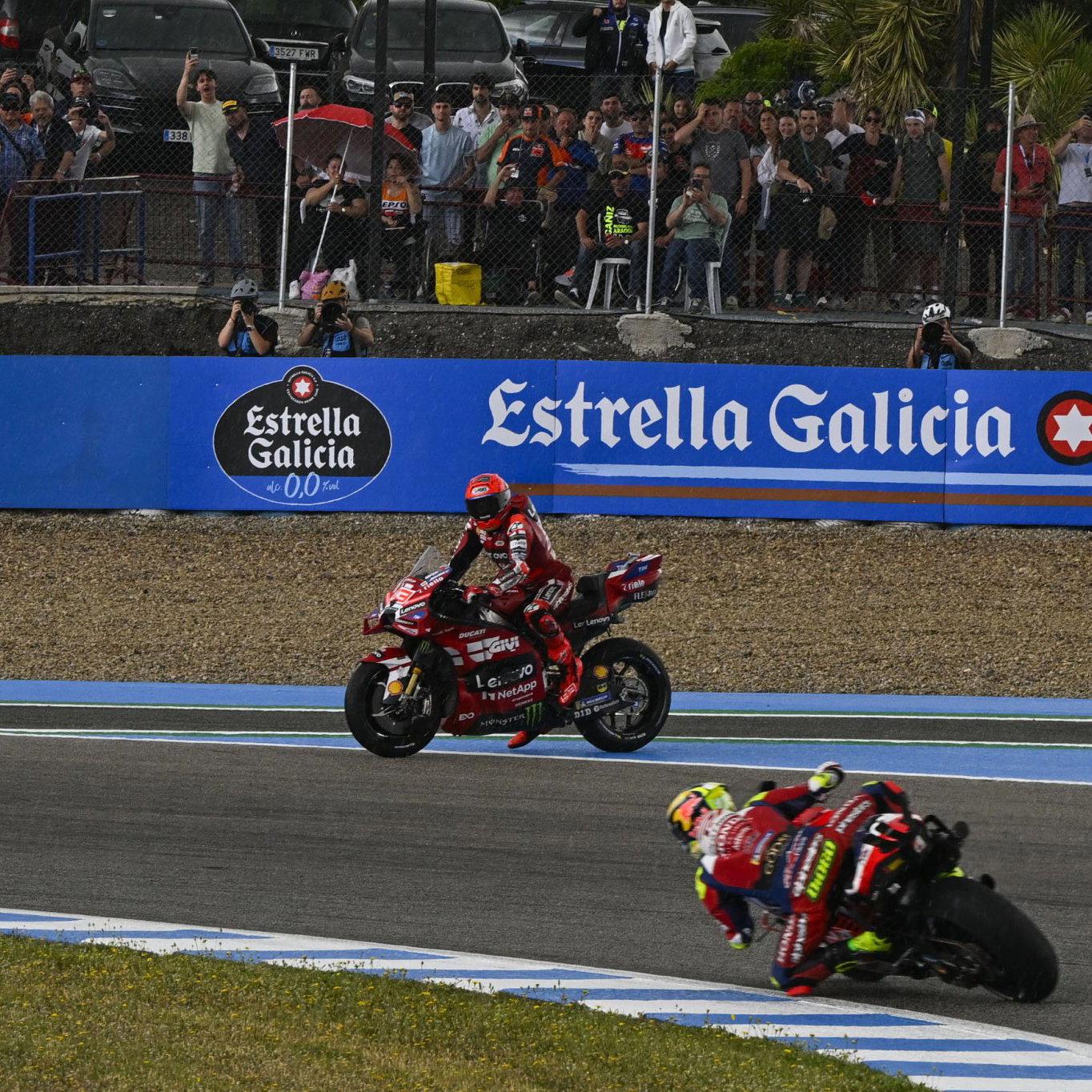
The real ace up the Diavel’s sleeve is its handling. A massive 240-section rear tyre and a long wheelbase are not the ideal ingredients if you want a bike to handle, but – and I’m not sure how – the Diavel doesn’t suffer one bit. As we headed down the Ronda road, the local biker’s haunt, superbikes were everywhere. And more than a few of them must have been surprised as a whinge of journalists (collective noun) breezed past on slightly strange looking cruisers. You couldn’t do that on a Street Rod. What really stood out to me was that throughout the whole day, I didn’t think about the bike’s handling once. It went exactly where I wanted it to, not once did I feel like I was running wide, or that I could do with more ground clearance. There are no footboards gouging the tarmac here, no concerns about getting home with half of your exhaust chamfered off. It doesn’t just handle well for a cruiser; it handles well for a sportsbike.

Ducati Diavel Carbon: Engine
And yet, while it’ll hustle with the best of them, it also cruises like a cruiser should. The massive 1198-derived Testastretta engine sounds like a Chinook at tickover but is as gentle as a paper plane if you want it to be. Knock it into top gear and anything between 30 and 130mph is just a few moments away. If you want to sit back, relax and soak it all in, then its wide bars and low seat make the ride an effortless experience.
But you try and stick to top gear and soak it in. It’s virtually impossible. The red mist is available on tap and flows the most when you see a sportsbike a few corners ahead. Whilst the Diavel has more than enough stomp to wheelie from slow speeds, once you get the motor wound up, you can get the power down with a total lack of finesse and the 240-section Pirelli Diablo Rosso II will cope, thrusting the Diavel forwards, with no danger of the front lifting or the rear wheel breaking traction. Most of the time. When the rear Pirelli can’t cope, Ducati’s Traction Control steps in and gently corrects your over enthusiastic demands, keeping the rear wheel in line and most bikes struggling to keep up.
The Diavel is all-day comfortable and despite having the ability to be savage, it is practical too. After a day of hustling twisty roads and long stretches of dual-carriageway, I got over 40mpg. So you won’t be holding up your mates on sportsbikes on the Sunday run, nor will they have to wait for you to fill up as your tank runs dry after 90 miles.
The Diavel’s brain extends its ability too. It features the power modes as seen on the Multistrada 1200; Sport, Touring and Urban. Sport is the full-on experience, Touring maintains the power output but softens off the delivery and Urban limits the output to 100bhp. If you want consistently fast starts, without the danger of flipping the bike, Urban mode works a treat. When you’re on a dual carriageway and you just want to relax, Touring fits the bill. You can switch the ABS off in any mode, and adjust the level of traction control in any mode too. Or turn it off.
The Diavel’s been designed with pillions in mind too. Although it wouldn’t be my first choice if I was heading to the south of France, fit it with a fly-screen and it’d be more than capable. The single seat unit is actually just a cover that when removed reveals the pillion seat. The pillion footpegs are neatly tucked away and can be lowered for when you’ve got two-up duties. Finally, there’s a cunningly hidden grab rail above the brake lights. The only problem you’ll have is finding a pillion who’ll be prepared to perch their bum a few inches from the rear tyre of a bike that’ll beat most superbikes off the line.
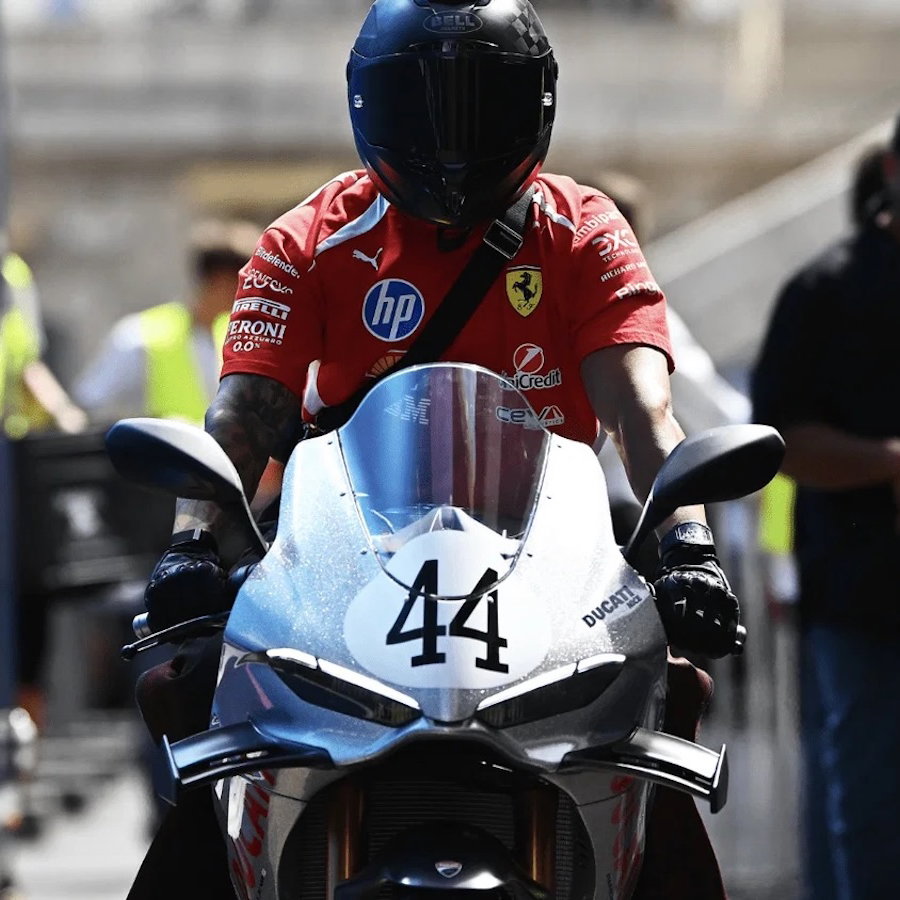
After spending a day hustling the Ducati Diavel around some of Spain’s finest twisty tarmac, the sensible option was to return to the hotel, drink 3 litres of water and then chill out by the pool. But I was having too much fun and sensible didn’t get a look in. Ducati claim a 0 to 60 time of 2.6 seconds and I wanted a slice of that action. Trouble was, finding a section of the Ronda road that’s straight enough to fire a Diavel down was a bit of a problem. It’s not often you find yourself pining for a decent stretch of straight tarmac, but that’s exactly what the Ronda road has a shortage of. Especially when you’re on a bike that eats up straights like a Diavel.
Launching it from a standstill is addictive. And quite scary. My advice would be: don’t try and race one from the lights. Even if you’re not really trying, it’ll demolish 60mph with ease. Try a bit too hard and it’ll hoist the front wheel and want you off the back. You can see the Ducati Diavel 0-60mph video here.

Ducati Diavel Carbon: Brakes
Although the Diavel has ABS, mine didn’t kick in unless I really poked it with a big stick. The long wheelbase and low centre of gravity are the main clues as to why the Diavel brakes so well, but its fully adjustable suspension and monobloc Brembo brakes from the 1198 complete the picture. There is more than enough power for single-finger braking and if you want to, you can grab a handful of brakes for every corner, but while the Diavel will deal with it, I’m betting your forearms won’t. And let’s face it; cramp and looking cool don’t mix.

Should I buy the Ducati Diavel Carbon?
The model we tested was the Ducati Diavel Carbon. At 207kg dry it’s 3kg lighter than the Diavel and features a carbon fibre a plenty, from the tank cover, to the front mudguard, black Marzocchi forks and lightweight Marchesini wheels. That’ll be an extra £2,500 to you, sir but if you want the ease of turn in that lightweight wheels afford, then that’s £2,500 well spent.
The Diavel has a 15,000 mile major service interval, which’ll set you back around £600 plus labour and an annual service is around £100 plus labour. Much cheaper than the running costs you’d expect for a bike that’s in all but looks, a superbike.
The Diavel costs £12,995 and the Diavel Carbon Black, £15,495. You’ll pay £15,895 for the Diavel Carbon Red.
Cruising in Bolognese sauce. I’d highly recommend you try it.
Ducati Diavel Carbon: Specifications
- Engine 1198.4cc, Testastretta 11°, L-Twin cylinder, 4 valve per cylinder, Desmodromic, liquid cooled
- Power 162hp @ 9500rpm
- Torque 94lb/ft @ 8000rpm
- Bore x stroke 106 x 67.9mm
- Compression ratio 11.5:1
- Front suspension 120mm Marzocchi DLC coated 50mm fully adjustable usd forks
- Rear suspension 120mm Progressive linkage with fully adjustable Sachs monoshock.
- Front brakes 320mm semi-floating discs, radially mounted, 4-piston with ABS
- Rear brake 265mm disc, 2-piston floating calliper with ABS
- Dry weight 207kg
- Seat height 770mm
- Fuel capacity 17l
- Colours options Red/Matt Carbon, Glossy/Matt Carbon