The Joy of Six... (cylinders)
For the first time in more than two decades, you'll be able to buy a bike with an across the frame six-cylinder engine. We look at the enduring appeal of six..

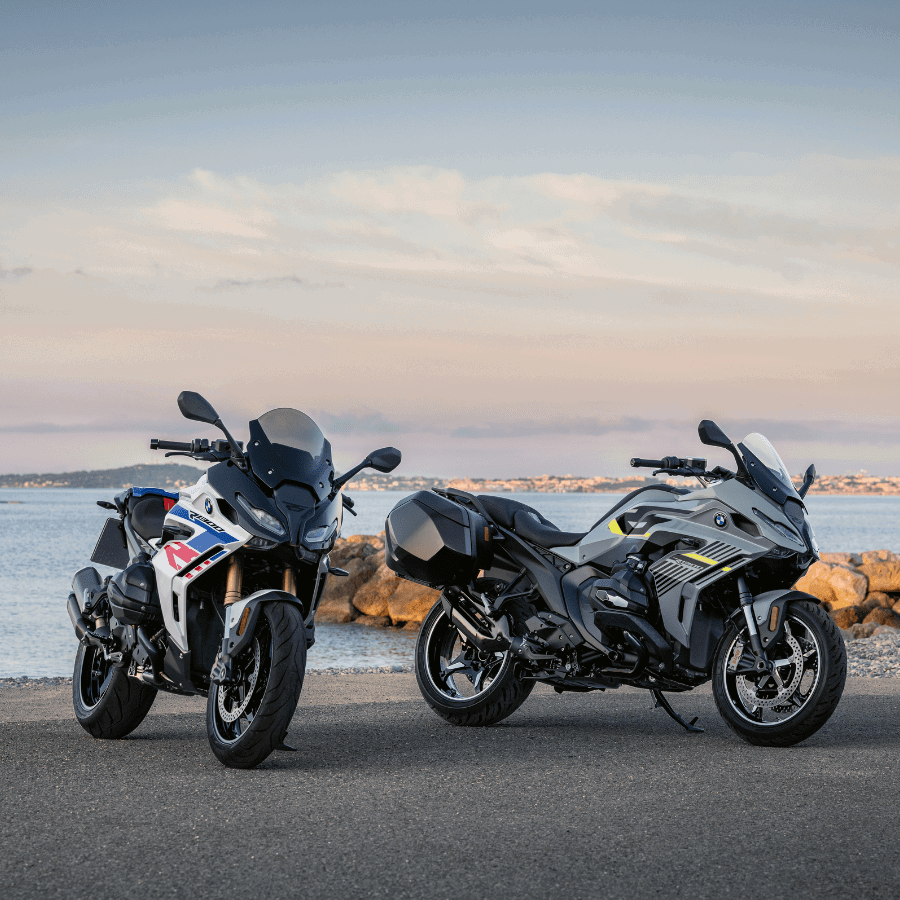
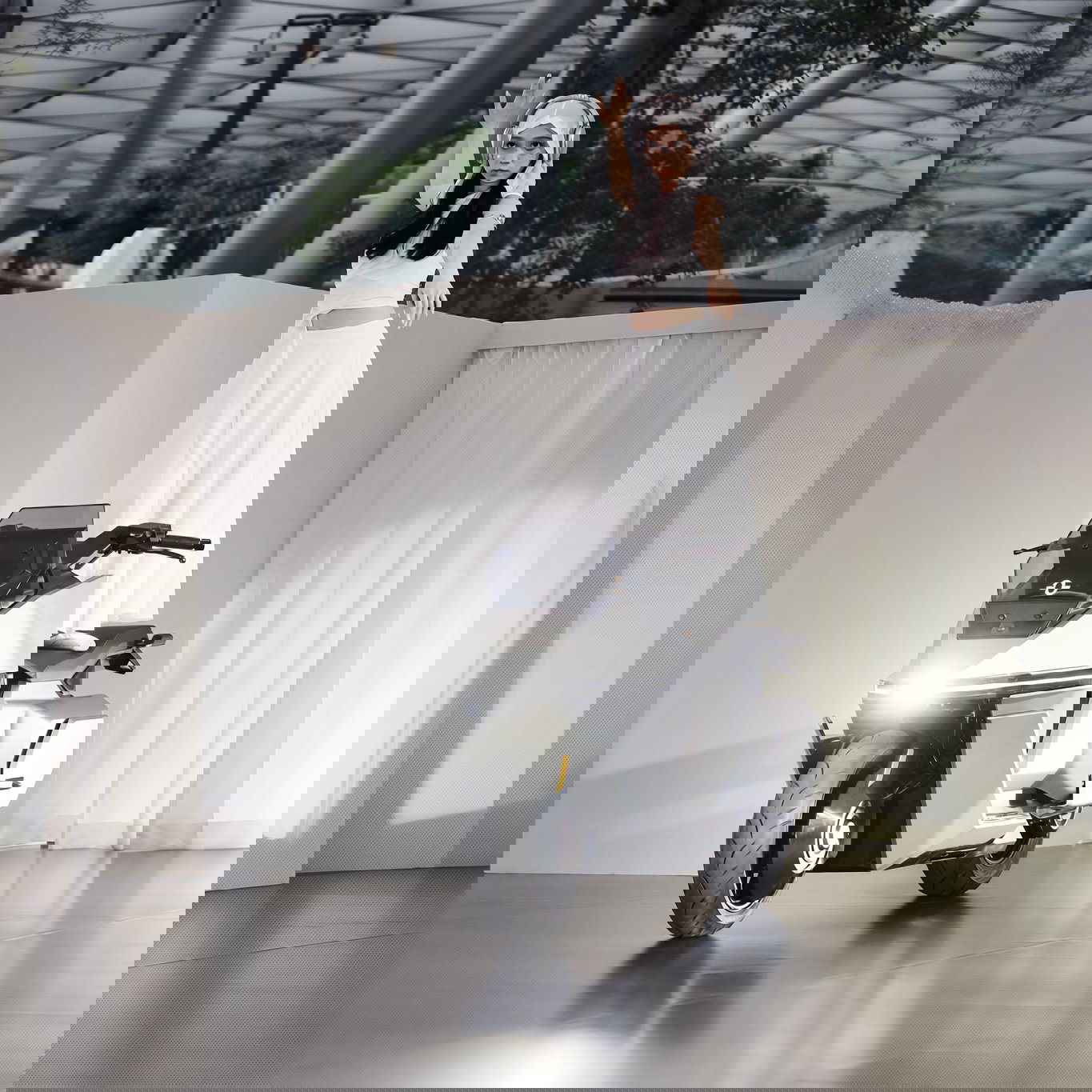
The bike in question will be BMW’s forthcoming LT tourer, which will use the engine and chassis shown off in last year’s mad-looking Concept 6 prototype wrapped up in a new touring package. But regardless of the new LT’s intentions or appearance, all eyes will be focussed on just one aspect; the new 1600cc straight-six engine unit.
Ask any engine designer, and they’ll quickly explain that, in theory at least, the in-line, or straight six is one of the purest, simplest, smoothest layouts it’s possible to find for a reciprocating internal combustion engine, short of a V12. Everything else – singles, twins, fours and even V8s and V6s – are a compromise, with basic problems of balance and smoothness.

The basic ‘rightness’ of the six layout is best illustrated by the capacity variations of the design. Straight sixes have been made in every imaginable size, from the tiny Honda 250cc racers of the sixties, with thimble-sized pistons and internals more Hornby than Honda, to an incredible 10,920,000cc (yes, nearly 11 million) from a Wärtsilä-Sulzer two-stroke diesel ship engine – a 49,200bhp, 1160 tonne monster.
BMW’s design chief, David Robb, developed the Concept 6 and the forthcoming production bike said: “It’s our job to come up with solutions and I’ve been very impressed by our engine’s performance.
“But there’s also the feeling of a straight six, the power delivery is quite different. It’s a very sovereign power, very pure.”
Six problems and solutions

Putting six cylinders in line might give near-perfect balance (see panel), but it does present other problems.
From the engine designers’ point of view, a straight-six has one of the longest crankshafts of any configuration, and while cranks are hugely strong, under the forces inside an engine they can – and do – flex. And the incredibly high revs a six can operate at thanks to its balance can make the problem worse. Designers don’t want to add too much strength to the crank, as that increases weight and restricts revs, but they must ensure it’s strong enough to resist the twisting and flexing forces it undergoes.
Modern materials and computer-aided design technology are a massive help in reaching that balance but even with a perfect straight-six engine, the bike designer still has a problem; how to fit it into a bike. Almost inevitably, six cylinders will take up more space than four and when they’re strung out in a straight line across the bike’s frame, as on the new BMW and all previous production straight six bikes, that means adding width to the whole bike.

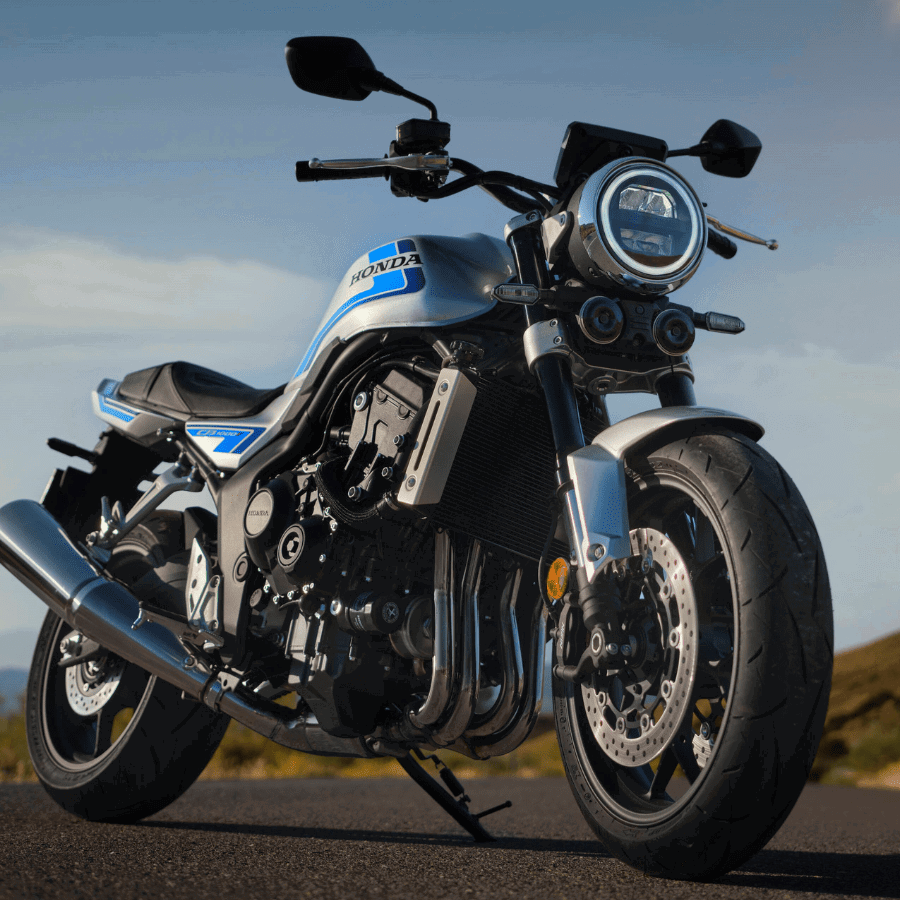
The enormous-looking engines of a Kawasaki Z1300 or Honda CBX1000 might be a vital element to their styling but they’re not conducive to extreme bank angles. Once again, however, modern technology is coming to the rescue, allowing thinner cylinder walls and tighter bore spacing to bring the overall width down.
When it comes to creating a production bike, and all the penny-pinching that entails, the six-cylinder has another drawback – it’s got 50 percent more cylinders, pistons, conrods and valves compared to a four.

When it comes to making a profit, that’s a potential problem and one that must weigh heavy on the mind of any bike firm hoping to offer a straight six. Certainly, earlier machines, like the Z1300, bore this out with high purchase prices which inevitably kept sales down.
But once again, it’s not quite as clear cut as it seems. While a six has more pistons, it can save in other areas, particularly when compared with the latest generation of four-cylinder engines. Its perfect balance means there’s no need for a balancer-shaft, or any of the associated gears or chains to drive one. Since many modern fours are opting for just such shafts in an effort to cut vibes and drive revs ever higher, it means the overall component count for a straight six is now comparable with that of a cutting-edge four – something that definitely wasn’t the case 30 years ago.