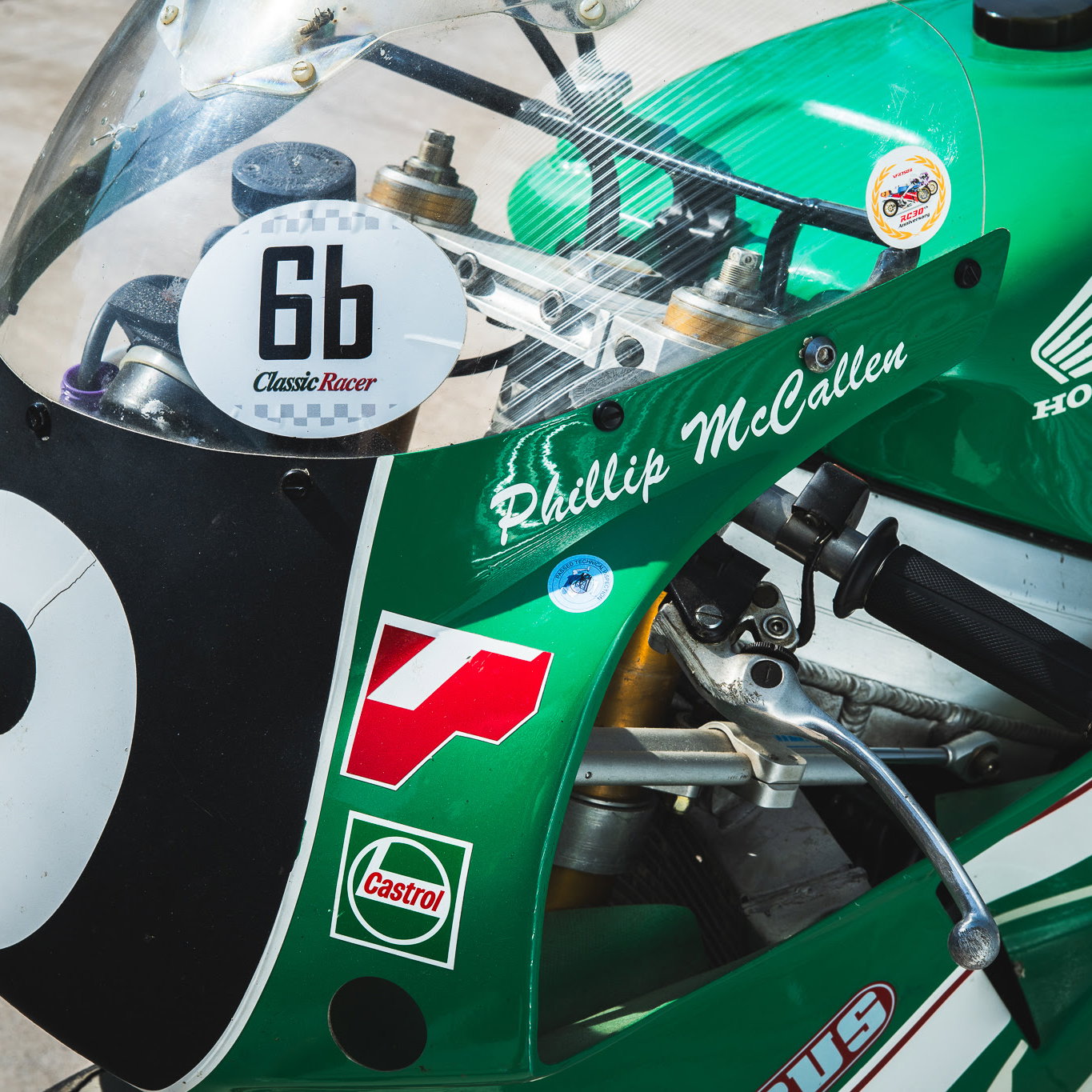
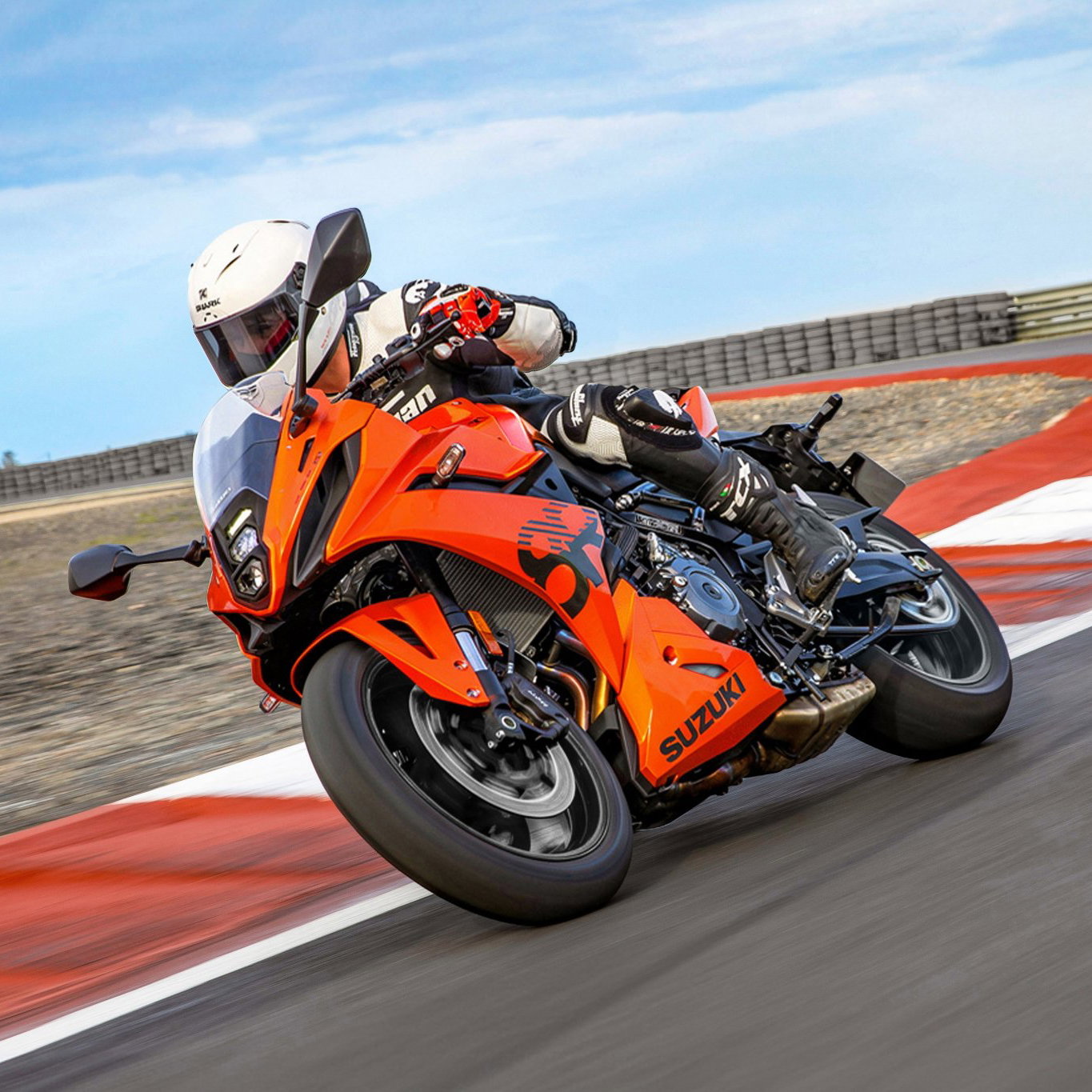
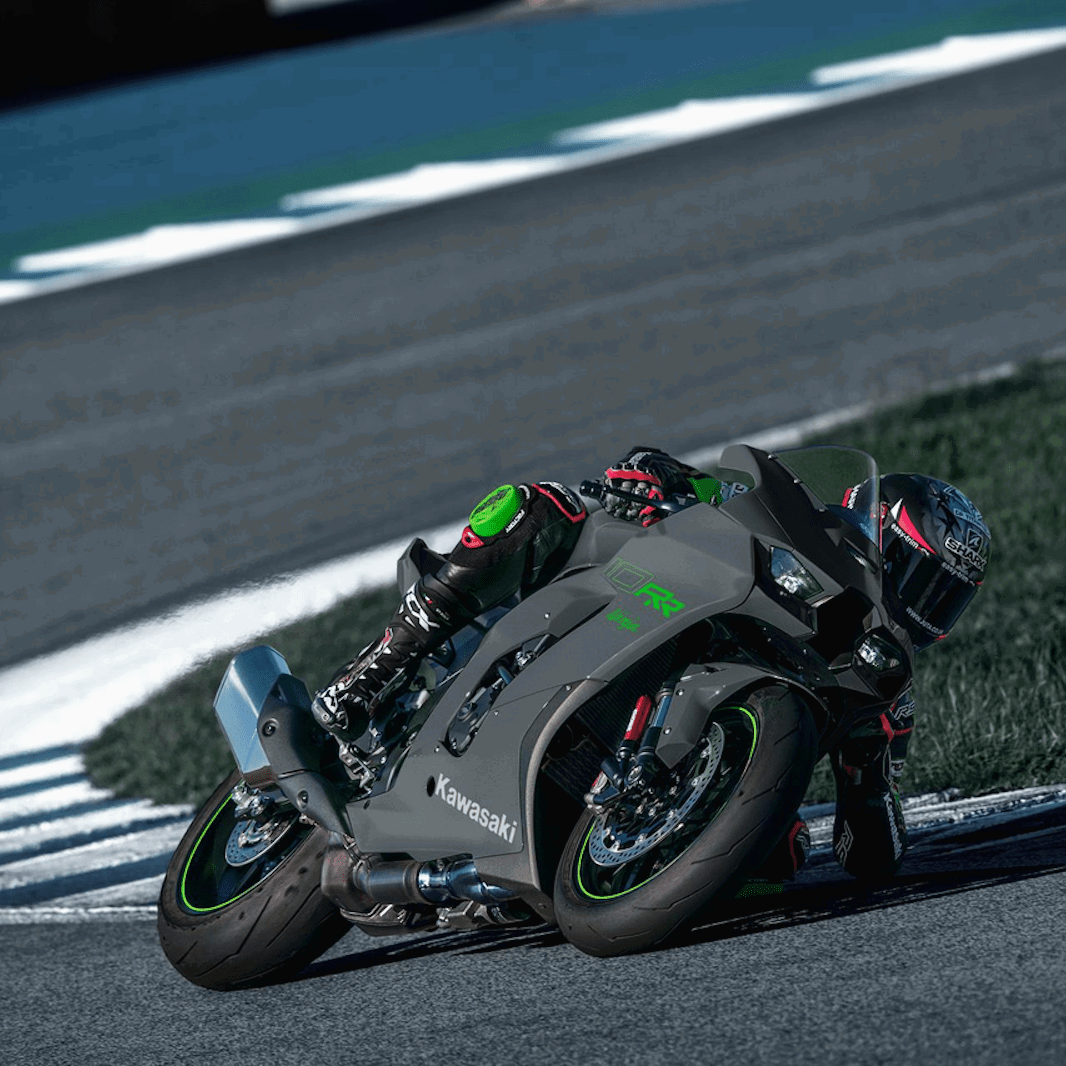
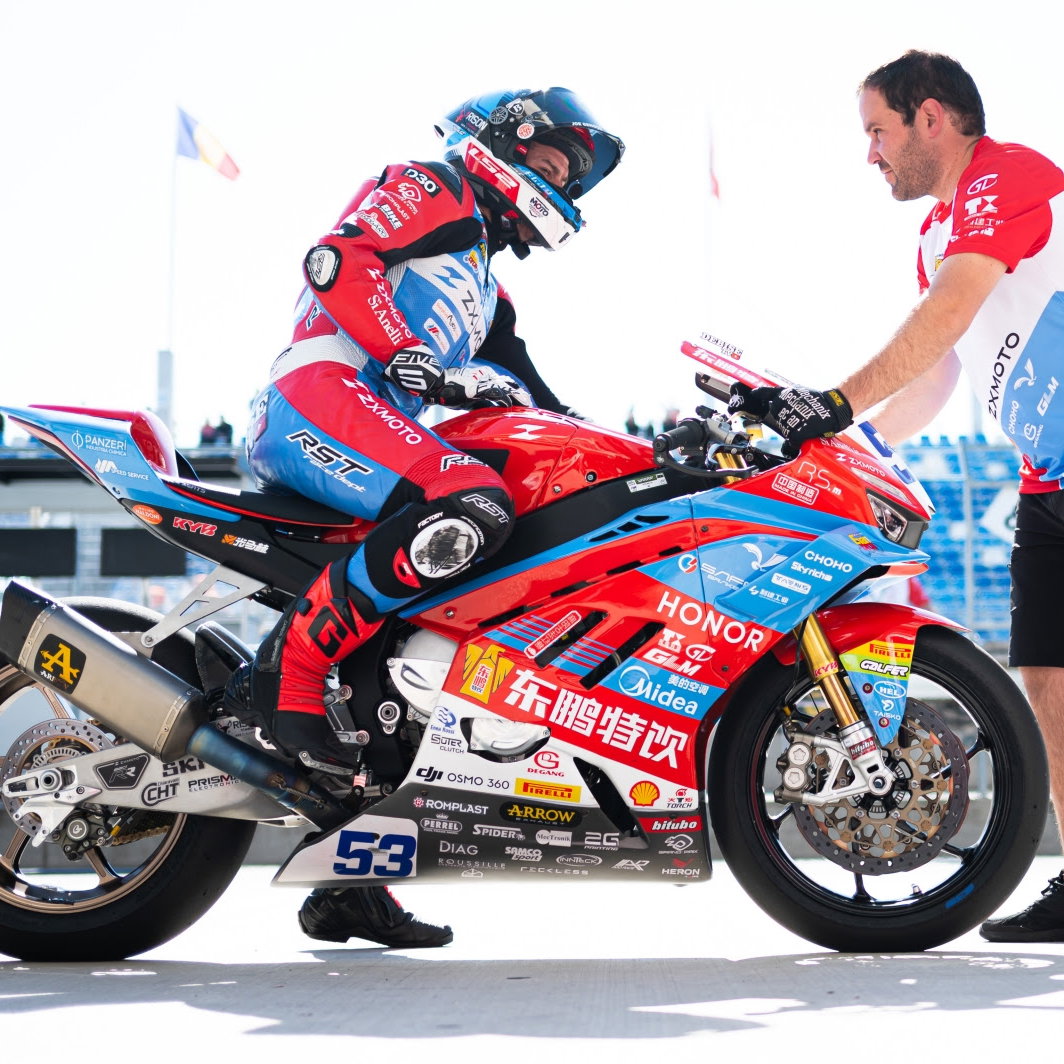
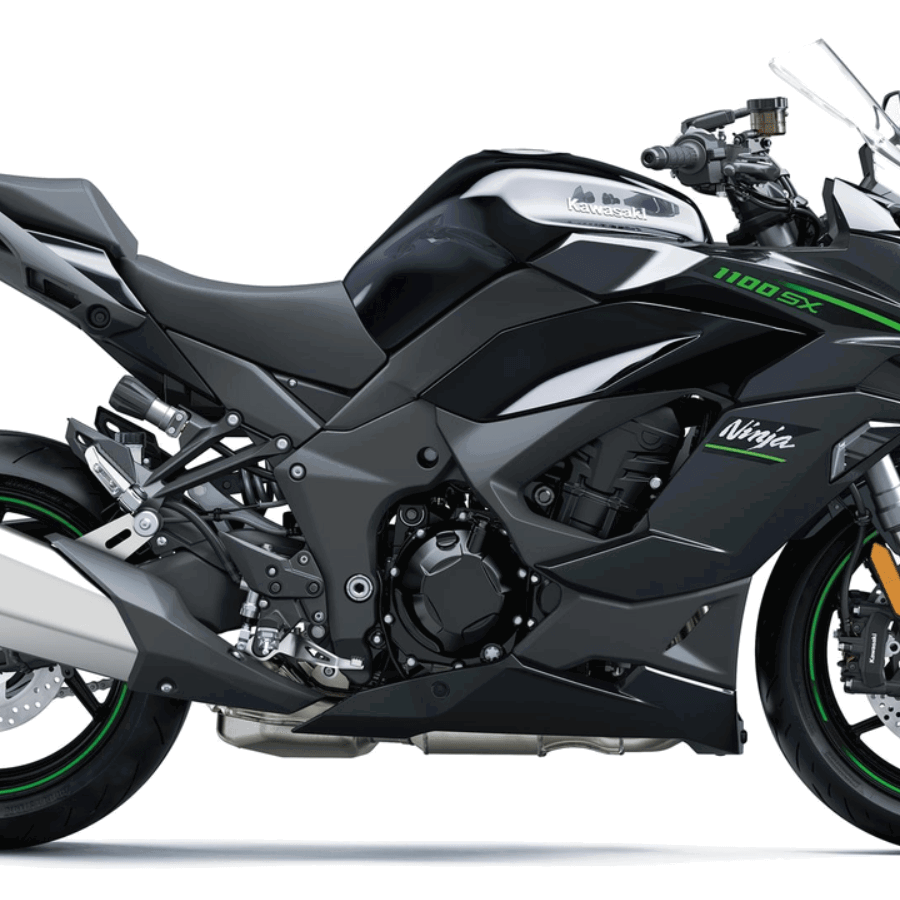
They have plenty in common, the latest ZX-10R and the GPZ900R, its inspiration from a quarter-century ago. Potent straight-four engines, top-quality chassis, sharp looks, and an unmistakably aggressive presence. What separates them — even more than the 80bhp and almost 50kg in the young gun’s favour — is this: in its day, the GPZ900R wasn’t merely one of the world’s top superbikes. It was the best. By a country mile. In a world of air-cooled, twin-shock monoliths, the original Ninja was a revelation.
What made the Ninja so significant was its liquid-cooled, 16-valve powerplant; a major development from the firm that had been renowned for its eight-valve fours ever since the original Z1 of 1973. But what made the Kawasaki great was a combination of style, new technology and performance that blew away everything else on the road. How good was the original GPZ900R? When I tested one against four of its closest rivals on the Isle of Man in 1984, the Ninja wasn’t just the best bike of the bunch, it was also the favourite of all five riders on the trip. It had won that year’s Production TT, too, ridden by Geoff Johnson.
The GPZ900R was never fazed by competition, not least because in ’84 it was neither the most powerful nor the most high-tech superbike even in Kawasaki’s own range. Its 908cc engine’s 113bhp max was five horses down on the 1,089cc unit of its aircooled, eight-valve sibling the GPZ1100. And the Ninja was far less complex than the 3bhp less powerful Z750 Turbo. But they were dinosaurs.
The streamlined Ninja was the fastest of that trio, around a racetrack and in a straight line too. It instantly established liquid-cooling and four valves per non-turbocharged cylinder as the way to go. Then it proceeded to fend off its supposed replacements. It outlasted both the 1986-model GPZ1000RX (more powerful but less agile and £500 more expensive) and the 137bhp ZX-10 that arrived two years later.
Click next to continue